

More news on this day
Newark Liberty International Airport experienced a fresh bout of travel disruption as 133 flight delays and 5 cancellations rippled across its schedule, affecting major U.S. and European carriers and disrupting links between the United States, the United Kingdom, France and Germany.
Get the latest news straight to your inbox!
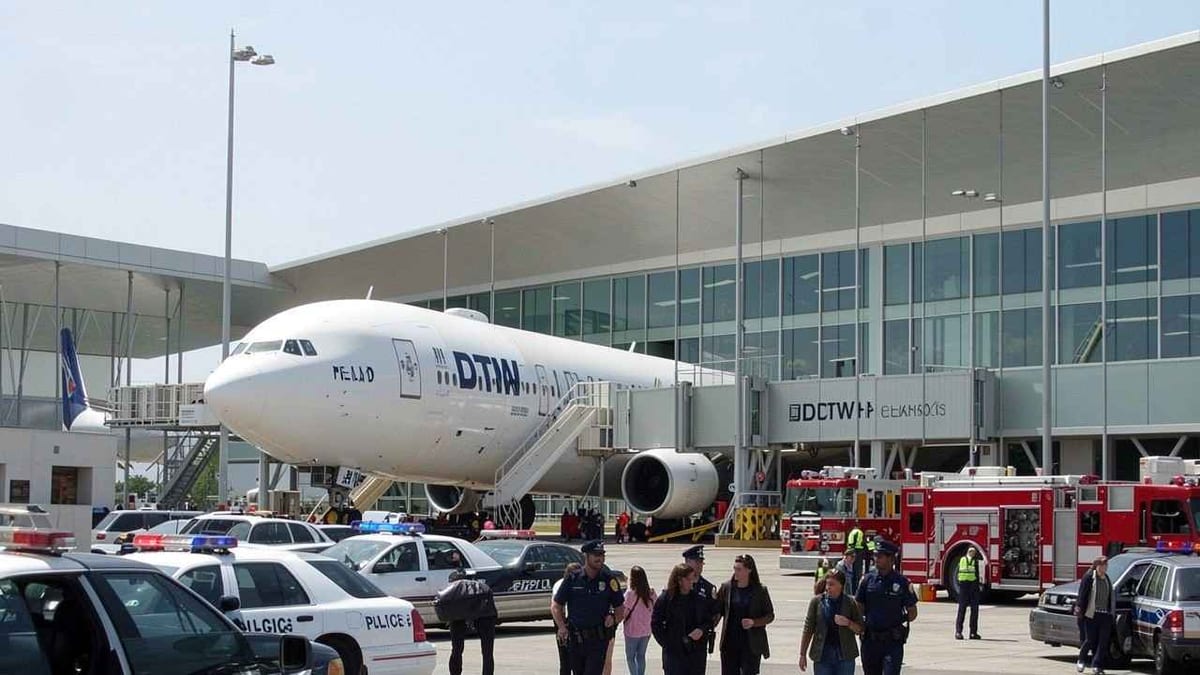
Operational Strain Hits a Key Northeast Gateway
The latest disruption at Newark underscores the operational sensitivity of one of the country’s busiest international gateways. Publicly available tracking data shows that dozens of departures and arrivals fell behind schedule, with delays typically stretching from just over half an hour to more than two hours on some routes. While most flights ultimately operated, the schedule irregularities created missed connections and extended airport stays for thousands of travelers.
Newark serves as a major connecting hub for domestic services and long haul transatlantic routes. Even a moderate spike in delays therefore has an outsized impact on passenger flows across the network. Travel analytics platforms indicate that the 133 delayed flights represented a significant share of the day’s total operations at the airport, though the low number of outright cancellations limited the most severe knock on effects.
The pattern is consistent with broader federal data that has identified Newark as one of the country’s more delay prone airports in recent years, particularly during peak travel periods and in challenging weather. Recent regulatory filings have highlighted how runway work, air traffic control staffing constraints and high demand can combine to push the facility close to its practical capacity, leaving little margin when problems arise.
Airport planning documents and performance statistics additionally point to the complexity of managing a mix of dense short haul schedules and heavily loaded widebody aircraft. Once delays build early in the day, they can be difficult to fully absorb before the late evening wave of transatlantic departures, increasing the likelihood of rolling disruptions such as those seen in the latest episode.
Major Carriers See Timetables Disrupted
The disruption hit a roster of prominent airlines that rely on Newark as a key gateway. United Airlines, which operates one of its largest hubs at the airport, shouldered a substantial portion of the affected flights as its dense network of domestic and international services left it exposed to knock on timing issues. Data from on time performance trackers for recent months already show some United routes into and out of Newark carrying higher than average delay risk relative to other airports, reflecting the broader environment in which this latest event unfolded.
Delta Air Lines and American Airlines, which also maintain important schedules at Newark, saw selected services to other U.S. hubs and regional destinations pushed back. While these carriers do not base as many aircraft at Newark as United, delays at the airport can still interfere with aircraft rotations and crew scheduling across their systems, particularly when affected flights are part of longer domestic or international journeys.
Transatlantic operators were not spared. Lufthansa, which links Newark with its German hubs, experienced schedule pressure on certain services as late arriving aircraft and air traffic spacing requirements compressed turnaround times. Similar effects were reported on flights run by other European airlines serving London, Paris and other major cities, where departures from Newark or inbound arrivals encountered slower flows than timetabled.
Because modern airline networks are tightly interwoven, the impact of a localized disruption in Newark can extend beyond the immediate flights. Aircraft arriving late from New Jersey can trigger secondary delays at downline airports, while crews approaching federally mandated duty time limits may require last minute substitutions, heightening the operational complexity carriers must manage during such episodes.
Transatlantic Routes to the UK, France and Germany Affected
Among the most visible consequences for passengers were the disruptions to transatlantic links between Newark and major European gateways. Newark is a primary departure point for flights to London, Paris and several German cities, and the delays complicated evening departure banks that are designed to deliver early morning arrivals for business and leisure travelers across the Atlantic.
On routes to the United Kingdom, publicly available flight boards showed departures to London pushed back from their scheduled times, in some cases by more than an hour. For travelers with onward morning connections elsewhere in Europe, even modest delays from Newark increased the risk of missed links or longer layovers at connecting hubs.
Services to France and Germany saw a similar pattern. Flights to Paris and Frankfurt, often operated by large widebody aircraft that carry significant numbers of connecting passengers, faced tighter operational windows as aircraft arrived late from earlier legs within the United States. Airlines sought to recover time where possible by adjusting turnaround activities, but stringent safety and maintenance requirements limited the scope for compression on the ground.
The transatlantic ripple extended into the return schedule as well. Aircraft arriving late into European hubs from Newark can face slot constraints for their subsequent departures back to the United States, occasionally forcing retimed flights or further delays later in the cycle. For carriers whose Newark services are tightly integrated with broader European networks, such disruptions can therefore reverberate for several rotations beyond the original incident window.
Weather, Congestion and Structural Pressures at Newark
The specific triggers for the latest batch of 133 delays and 5 cancellations have not been attributed to a single cause, but recent history at Newark points to a recurring combination of factors. Federal analyses and airport performance reports have cited periodic runway construction, air traffic control staffing challenges in the congested New York airspace and volatile Northeast weather patterns as frequent contributors to irregular operations at the airport.
Regulatory documents released within the past year outline how closure or partial closure of key runways for rehabilitation reduces the number of aircraft movements Newark can safely handle per hour. When scheduled operations remain high during these periods, even routine thunderstorms or low visibility conditions can trigger ground delay programs and extended holding patterns, quickly driving up the tally of delayed flights.
Air traffic management in the broader New York and New Jersey region adds another layer of complexity. Newark shares the same crowded airspace with John F. Kennedy International and LaGuardia, and any disruption affecting regional control facilities or navigation systems can cascade across all three airports. Previous incidents have shown that communication or radar issues at regional facilities can prompt large numbers of delays and cancellations in a short span of time.
Industry data also suggest that structural demand for flights into and out of the New York metropolitan area continues to run close to the system’s capacity, particularly during morning and evening peaks. That dynamic leaves limited room for last minute schedule adjustments when weather, technical issues or staffing shortages arise, making days like the one marked by 133 delays and 5 cancellations more likely during busy travel periods.
What Travelers Can Expect in the Coming Months
For passengers planning trips through Newark in the coming months, the latest disruption serves as a reminder to build additional time into itineraries, particularly when connecting to long haul flights to the United Kingdom, France or Germany. Travel advisory services and real time airport monitoring tools indicate that while Newark is not in constant crisis, it continues to experience above average variability in delay metrics relative to many other large U.S. airports.
Federal aviation authorities have already moved to limit peak hour operations at Newark through temporary scheduling orders that are intended to reduce congestion and smooth traffic flows. Publicly available notices describe efforts to cap arrivals and departures at levels that the surrounding airspace and infrastructure can more reliably accommodate, with the goal of cutting down on the types of rolling delays that contributed to the latest disruptions.
At the same time, airlines are gradually adjusting their schedules and fleet plans around Newark. Some carriers have trimmed marginal frequencies or shifted flights to alternative airports in the region in an attempt to improve on time performance. Others have revised block times on certain routes so that published schedules more accurately reflect the operational realities of flying into and out of Newark’s constrained airspace.
Despite these efforts, industry analysts caution that travelers should be prepared for intermittent episodes of disruption at Newark, particularly during periods of intense demand or unsettled weather. For those flying on United, Delta, American, Lufthansa and other carriers that rely heavily on the airport, monitoring flight status closely, allowing generous connection windows and considering early morning departures when feasible remain prudent strategies for navigating one of the nation’s most complex aviation hubs.