


More news on this day
Nigeria’s aviation sector is grappling with a deepening jet fuel crisis that is pushing airlines to trim routes, disrupt schedules and warn of possible shutdowns, raising concern for tourism and regional travel connectivity across West Africa.
Get the latest news straight to your inbox!
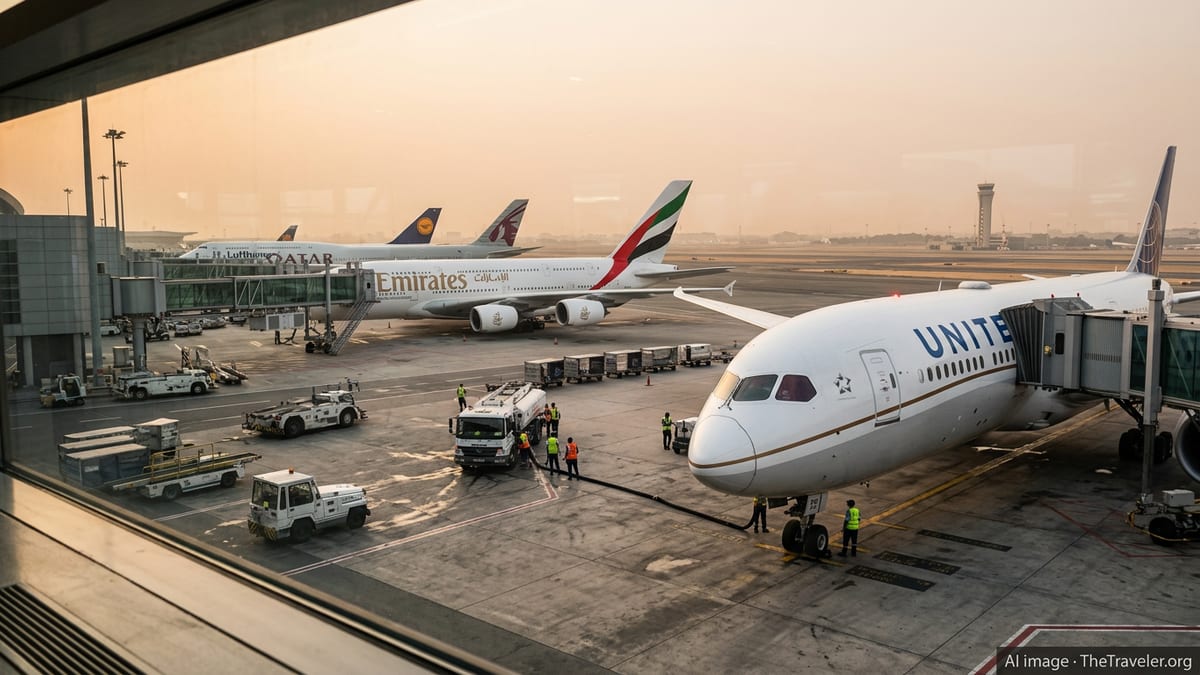
Soaring Jet A1 Costs Push Airlines to the Brink
Published coverage indicates that the price of Jet A1 fuel in Nigeria has climbed above 3,000 naira per litre in recent weeks, a rise of around 300 percent that airline operators describe as unsustainable for commercial operations. Industry association statements reported in national media show carriers arguing that the fuel spike far outpaces broader movements in global oil prices, pointing instead to a mix of local supply constraints, foreign exchange shortages and market distortions.
The Airline Operators of Nigeria, representing most domestic carriers, has repeatedly warned that such cost pressures are eroding already thin margins and forcing difficult choices on flight frequencies and route viability. Earlier in April, the group outlined plans to halt nationwide services from 20 April if no relief emerged on fuel pricing, a move that would have effectively grounded domestic air travel across the continent’s most populous country.
Following government appeals and emergency talks, operators agreed to suspend the blanket shutdown and continue flying, but the compromise has not resolved the underlying economics. Reports from aviation and business outlets highlight that airlines are now selectively reducing capacity, consolidating schedules and passing some of the burden to passengers through higher fares on surviving routes.
Analysts note that Nigerian carriers have limited ability to absorb such shocks due to long-standing structural weaknesses, including high maintenance costs, currency volatility and heavy reliance on imported aviation fuel. In this context, the current Jet A1 surge is accelerating financial strain and reviving questions about the resilience of the country’s airline industry.
Route Cuts, Delays and Cancellations Hit Travellers
While a full nationwide shutdown has so far been averted, the practical impact of the fuel crisis is already evident across Nigerian airports. Domestic media reports describe a pattern of delayed departures, last-minute rescheduling and periodic cancellations as airlines juggle limited fuel supplies and seek to avoid operating loss-making flights.
Recent coverage by Nigerian outlets indicates that some carriers have begun suspending specific routes deemed commercially unsustainable at current fuel prices. For example, regional airline Rano Air has temporarily halted services to several northern cities, citing the continuous rise in Jet A1 costs as the principal factor behind the decision. Similar adjustments by other operators are reducing frequency on secondary routes and concentrating scarce capacity on higher-yield corridors linking major economic hubs.
For passengers, the disruption is translating into longer travel times, uncertain itineraries and rising ticket prices. Travellers attempting to connect between smaller cities are increasingly forced to route through Lagos or Abuja, or in some cases to abandon air travel altogether in favour of lengthy road journeys. Industry watchers suggest that this erosion of reliability risks undermining confidence in domestic aviation at a time when Nigeria is seeking to position air transport as a driver of economic diversification.
Airport businesses and service providers are also feeling the effects. Ground handlers, catering firms and duty-free retailers depend on consistent passenger flows, and any sustained downturn in flight operations threatens jobs and revenues across the airport value chain.
Tourism Ambitions Challenged by Fuel Shock
Nigeria has invested in recent years in promoting its cultural festivals, coastal attractions and urban entertainment scenes to both domestic and international visitors. The jet fuel crisis is now emerging as an obstacle to those ambitions, particularly as many tourism destinations remain dependent on affordable domestic flights to move visitors efficiently around the country.
Travel industry commentary notes that higher airfares and unpredictable schedules can discourage both Nigerian holidaymakers and inbound tourists, who often need to combine international arrivals with local connections to reach destinations such as the Obudu Plateau, Cross River’s eco-tourism sites or northern heritage cities. Tour operators are reportedly reviewing itineraries, with some shifting emphasis toward destinations that remain easier and more predictable to access over land.
Hotel operators and event organisers are also watching the situation closely. Conferences, music festivals and religious gatherings rely heavily on air links to draw participants from across Nigeria and the wider region. If flight disruptions persist or intensify, analysts warn that the knock-on effects could include weaker occupancy rates, reduced spending in hospitality businesses and a slowdown in investment in new tourism infrastructure.
Some sector observers argue that the episode underlines the need for broader reforms to reduce aviation’s exposure to fuel and currency shocks, including measures to deepen local refining capacity for jet fuel and to streamline taxes and charges that compound operating costs. Until then, tourism strategies may need to be recalibrated around more resilient transport options and realistic expectations for air connectivity.
Regional Connectivity Across West Africa Under Strain
Nigeria serves as a critical air hub for West Africa, with Lagos and Abuja acting as gateways that connect smaller markets in the subregion to Europe, the Middle East and beyond. The current jet fuel crunch therefore carries implications that extend beyond Nigeria’s borders and into the broader West African travel network.
Published analysis of regional traffic patterns highlights that many travellers from neighbouring countries rely on Nigerian carriers or transit through Nigerian airports for business, medical travel and family visits. Any sustained reduction in Nigerian capacity can lead to thinner schedules, missed connections and higher fares on cross-border routes, potentially diverting traffic to alternative hubs where capacity and fuel supplies are more stable.
The strain is emerging against a backdrop of wider pressures on African aviation, with reports from international news services noting that elevated global jet fuel prices and supply disruptions are challenging airlines from Sierra Leone to South Africa. Nigerian developments are seen as particularly significant because of the country’s scale and central position in African air networks. Reduced reliability in Nigeria risks fragmenting regional connectivity and complicating efforts to build integrated tourism circuits that link multiple West African destinations.
In practical terms, travel agents and corporate travel planners across the region are already adjusting routing choices and contingency plans to account for possible further disruptions. This may include favouring carriers with more diversified fuel supply arrangements or rerouting passengers through non-Nigerian hubs, at the cost of longer journey times and potentially higher ticket prices.
Policy Responses and Industry Outlook
The deepening fuel crisis has prompted renewed scrutiny of Nigeria’s aviation policy framework and the country’s lagging progress in translating its refinery capacity into stable, competitively priced jet fuel supplies. Commentaries in business and energy media point to an apparent disconnect between Nigeria’s status as a major crude oil producer and the persistent vulnerability of its airlines to imported fuel costs and supply bottlenecks.
Government representatives have signalled interest in facilitating talks between airlines and fuel suppliers and in exploring temporary relief measures, such as targeted support or improved access to foreign exchange. However, publicly available information suggests that concrete, long-term solutions remain under discussion, and the timeline for any structural change is uncertain.
Airlines, for their part, appear to be pursuing a mix of short-term survival strategies and longer-term fleet and network adjustments. Some operators are exploring more fuel-efficient aircraft types, while others are rethinking their route portfolios to prioritise markets that can sustain higher fares. Industry analysts caution that without more predictable fuel pricing and a stronger regulatory environment, Nigeria may continue to see cycles of growth followed by retrenchment in its airline sector.
For travellers, tourism stakeholders and regional partners, the coming months will be critical in determining whether Nigeria’s jet fuel crisis evolves into a prolonged disruption or stabilises through a combination of policy interventions and market adjustments. The outcome will shape not only the country’s domestic mobility but also the wider pattern of air travel and tourism flows across West Africa.