


More news on this day
Norwegian Cruise Line’s Norwegian Sun has resumed its Baltic Sea itinerary from Copenhagen after an extended technical stop in the Danish capital allowed crews to complete repairs to the ship’s propulsion system.
Get the latest news straight to your inbox!
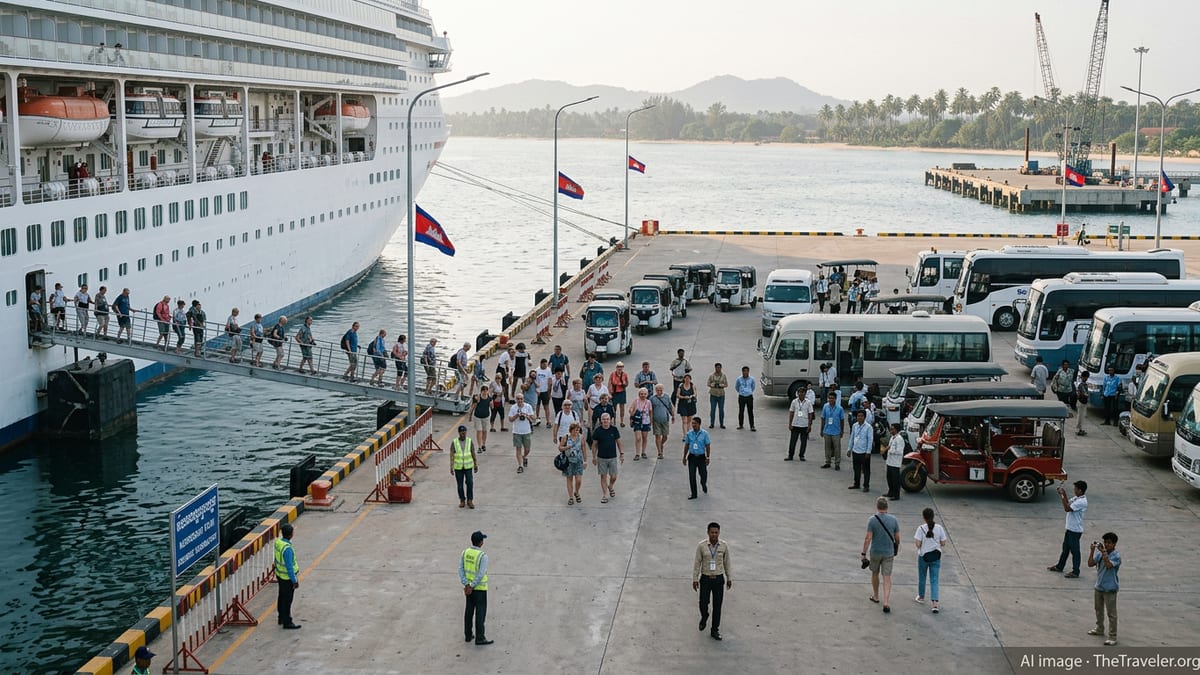
Ship Returns to Scheduled Baltic Sailings
The 78,000‑gross‑ton Norwegian Sun is back on its planned Northern Europe schedule following several disrupted voyages that saw port calls shortened, rerouted, or cancelled while engineers worked to address propulsion problems identified in late June. Publicly available tracking data now shows the vessel operating at typical cruising speeds on a nine‑night Baltic Sea sailing that began in Copenhagen, indicating that the earlier speed restrictions have been lifted.
The return to normal operations follows a period in which the ship’s itinerary was repeatedly revised mid‑cruise. Earlier Baltic departures had lost ports such as Oslo and Warnemünde, with additional time allocated instead to Copenhagen so that repairs and technical assessments could continue alongside. Reports from recent passengers and cruise tracking platforms indicate that the latest voyage is running as scheduled, with the ship reaching advertised ports on time.
Norwegian Sun is operating a summer 2026 Baltic program with seven‑ to ten‑day cruises between Copenhagen and Helsinki, calling at destinations in Germany, Poland, Lithuania, Sweden, Norway, and Estonia. The ability to maintain these port‑intensive itineraries depends heavily on the vessel’s propulsion performance, which made the extended repair period in Copenhagen particularly significant for upcoming sailings.
Extended Copenhagen Repair Window Eases Earlier Disruptions
The pivotal repair work took place during an elongated stay in Copenhagen at the beginning of July, when Norwegian Sun remained alongside the pier for roughly three days instead of the single overnight originally planned. According to published coverage and passenger accounts, that extended window allowed technicians to complete maintenance on propulsion components that had forced the ship to operate at reduced speed.
Before the Copenhagen stay, the technical issue had already prompted Norwegian Cruise Line to trim or replace several Baltic ports so that the vessel could keep to safe operating parameters. Some calls in Germany and Poland were adjusted or substituted with closer alternatives, and at least one earlier cruise ended directly in Copenhagen instead of continuing its original multi‑port sequence around the Baltic.
The longer layover in the Danish capital provided time for inspections, parts replacement, and sea‑trial style testing before the ship re‑entered full service. Publicly accessible cruise‑tracking services now show the ship moving on its current itinerary without the prolonged transit times that had characterized the weeks when speed limits were in place.
Impact on Baltic Ports and Local Tourism
The repairs and associated itinerary changes have had ripple effects across the Baltic region, where midsummer cruise calls are an important contributor to local tourism economies. Norwegian Sun’s Baltic program links key ports in Denmark, Germany, Poland, Lithuania, Sweden, Norway, and Estonia, bringing thousands of guests to city centers during the peak visitor season.
When the propulsion issues first emerged, late‑stage adjustments reduced or cancelled calls at several destinations, reshaping shore‑excursion schedules and day‑visitor spending. Travel and industry reports noted that extended time in Copenhagen and altered calls in ports such as Kiel and Warnemünde changed expected passenger flows for local businesses that rely on seasonal cruise traffic.
With the vessel now back on its planned route, stakeholders across the Baltic are watching closely to see whether the repaired propulsion system will remain stable through the rest of the 2026 season. A consistent schedule would help restore predictable call patterns for port authorities, tour operators, and small businesses that depend on regular cruise arrivals.
Passenger Experience and Compensation Measures
For guests booked on the affected voyages, the technical problems translated into shortened port days, shifts in arrival and departure times, and in some cases the loss of anticipated destinations. Discussion on public forums suggests that compensation packages varied by sailing, with some passengers reporting future cruise credits and partial fare adjustments in response to the reduced itineraries.
Travel industry coverage indicates that Norwegian Cruise Line has gradually increased offers for impacted guests over the course of the disruption period, particularly on sailings where multiple ports were changed or cancelled to accommodate the lower operating speed and the extended repair stay in Copenhagen. The operator has emphasized in public information that safety and technical reliability take priority when itinerary changes are made.
As the ship resumes full Baltic operations, feedback from passengers on current and upcoming cruises will likely influence how the line evaluates its response to the incident. Reliable propulsion is especially critical on port‑intensive Northern Europe routes, where tight turnaround times and narrow weather windows leave relatively little margin for technical delays.
Broader Context for Fleet Maintenance
The Norwegian Sun repairs come at a time when propulsion and technical issues have also prompted itinerary changes on other large cruise ships operating globally. Recent reports on vessels such as Norwegian Bliss highlight how even partial reductions in available speed can require comprehensive schedule adjustments, from extending sea days to shortening port calls.
Cruise analysts note that many ships are now sailing highly ambitious itineraries with dense port calendars, particularly in regions such as the Baltic, the Mediterranean, and Alaska. In that environment, any unplanned maintenance can quickly cascade through multiple voyages unless operators create sufficient buffer time, as seen with Norwegian Sun’s extended stay in Copenhagen.
Publicly available information from cruise industry trackers points out that lines are increasingly using longer, targeted maintenance windows within scheduled seasons to avoid taking ships out of service for full drydockings. The Norwegian Sun situation illustrates how on‑the‑pier technical work, combined with real‑time itinerary adjustments, can return a vessel to normal service while limiting the number of fully cancelled sailings.