


For transatlantic travelers loyal to Air France, KLM and SkyTeam partners, the Air France KLM World Elite Mastercard can look like a shortcut into the Flying Blue ecosystem. Co-branded airline cards often mix solid value with narrow sweet spots, so the real question is not whether this card is good on paper, but whether it meaningfully improves your Flying Blue experience compared with just earning miles the old-fashioned way by flying. After digging into the latest card details and the current structure of Flying Blue status and rewards, here is an honest, travel-tested perspective.
Get the latest updates straight to your inbox!
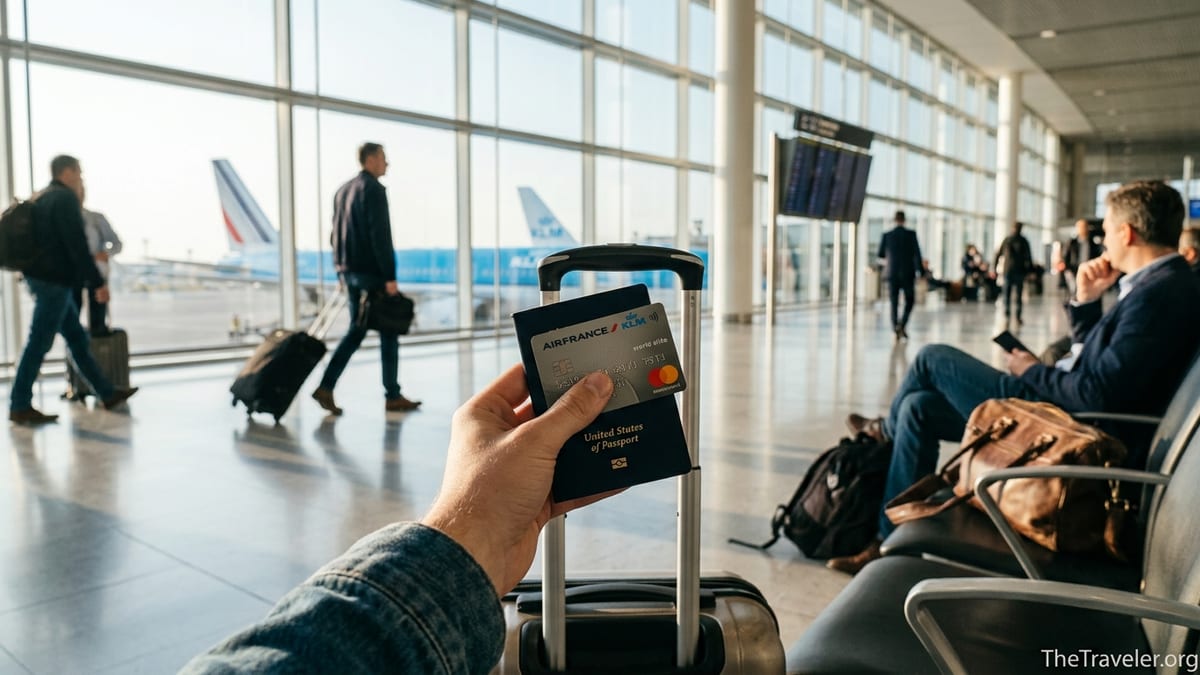
The basics: what the Air France KLM World Elite Mastercard actually is
The Air France KLM World Elite Mastercard, issued in the United States by Bank of America, is a co-branded airline credit card tied directly to Flying Blue, the joint frequent flyer program of Air France and KLM. You earn Flying Blue miles on your everyday spending and can also receive Flying Blue Experience Points, or XP, which are the status-earning currency of the program. Unlike a generic travel rewards card that accrues bank points, every mile you earn here lives inside Flying Blue from day one.
Because it runs on the World Elite Mastercard platform, the card also carries a layer of network benefits: access to Mastercard’s travel and lifestyle services, certain purchase protections and limited partner discounts. Those World Elite perks sit on top of the airline-specific rewards. In practice, a traveler booking a New York to Paris ticket on Air France might earn Flying Blue miles from the flight, Flying Blue miles from paying with the card, and still tap into Mastercard benefits like trip planning assistance or hotel rate guarantees on the same trip.
In terms of annual cost, this is positioned in the mid-tier airline card space rather than the ultra-premium segment. While exact APRs vary by applicant, you should expect pricing broadly in line with other co-branded airline products aimed at regular, not luxury, travelers. For most readers, the decision will come down to whether the ongoing Flying Blue earnings and XP boost justify the fee compared with flexible programs from issuers like Chase, American Express or Capital One.
It is also important to understand that, although this is a World Elite Mastercard, lounge access is not a core feature of the product in the United States. If you are picturing complimentary access to Air France lounges at Paris Charles de Gaulle every time you fly in economy, this card alone will not deliver that. Your lounge access will still largely depend on your cabin class, your Flying Blue elite tier, or separate lounge memberships.
Flying Blue in 2026: how status and XP work now
Flying Blue remains the shared loyalty program of Air France and KLM, and its logic is built around two currencies: miles for redemptions and XP for status. As of 2026, the main public tiers are Explorer, Silver, Gold and Platinum, with an invitation-only Ultimate tier above that. Explorer is the free entry level anyone receives when they sign up, while Silver, Gold and Platinum are earned by accumulating XP from flights and select partners.
XP is the piece most relevant to this credit card. A short-haul economy hop, such as Amsterdam to Rome on KLM, might earn 5 to 10 XP depending on distance and fare, while a long-haul business class trip, such as Los Angeles to Paris on Air France, can earn several dozen XP in a single direction. Official materials currently set 100 XP to qualify or requalify for Silver, 180 XP to move from Silver to Gold, and 300 XP per year to maintain Platinum. That structure means that a traveler based in Boston flying to Europe two or three times a year in economy might struggle to go beyond Silver, while someone commuting monthly in business class between Europe and North America could realistically hit Gold or Platinum.
Miles, by contrast, are the currency you redeem for award seats. Since Flying Blue shifted to revenue-based earning, base-level Explorer members generally earn miles per euro spent on Air France and KLM tickets rather than per mile flown. Higher status tiers earn bonus miles per euro. For example, a Paris-based Explorer member buying a 400 euro economy ticket to Athens might earn around 1,600 Flying Blue miles before any bonuses, whereas a Gold member buying the same ticket would earn significantly more, thanks to tier multipliers.
The travel reality is that many casual U.S. flyers only touch Flying Blue once or twice a year, typically for a summer holiday or a Thanksgiving trip to Europe. For them, status and XP can feel slow to accumulate organically. That is exactly where the XP component of the Air France KLM World Elite Mastercard is designed to help, acting as a small but steady push toward the first or second elite tier.
What the card actually earns: miles, XP and real-world value
The central promise of the Air France KLM World Elite Mastercard is straightforward: your everyday spending at home in the United States can feed your Flying Blue balance and help you edge toward status. The exact category multipliers can shift over time, but the general pattern looks familiar from other airline cards. Purchases with Air France, KLM and sometimes selected SkyTeam partners typically earn an elevated rate of Flying Blue miles per dollar, while everyday categories such as dining, groceries or gas may earn a modest bonus or base rate.
Consider a New York-based traveler who flies to Europe twice a year. Suppose she spends 750 dollars per ticket on economy flights to Amsterdam and Paris booked on KLM and Air France, and she also charges around 1,500 dollars a month in general spending to the card. Over a year, she might put roughly 3,000 dollars of airline spend and 18,000 dollars of general spend on the card. If her card earns a higher miles rate on tickets and a base rate on everything else, she could easily be looking at tens of thousands of additional Flying Blue miles annually, enough to meaningfully discount an off-peak one-way ticket from the East Coast to Europe when combined with miles earned from flying.
XP is more limited but still tangible. Many current offers attach a one-time XP bonus just for getting and keeping the card active, such as 60 XP once you meet an initial spending or account-opening requirement. In Flying Blue terms, 60 XP is more than half of what you need for Silver status. If you are already flying enough to earn 40 XP a year from actual flights, that XP boost from the card can be the difference between remaining Explorer and enjoying priority check-in and one extra checked bag as Silver on SkyTeam flights.
The flipside is that if your Flying Blue account often sits unused for years at a time, XP and miles from the card will not automatically transform your experience. The XP boost is front-loaded and not an annual recurring benefit, and the miles you earn still require planning to redeem efficiently. A traveler who flies Chicago to Rome once every three years in deep-discount economy and rarely uses Air France or KLM otherwise might find that miles and XP from this card accumulate too slowly to justify the annual fee when compared with a simple 2-percent cash back product.
Flying Blue benefits unlocked: who actually wins with this card
To understand whether the Air France KLM World Elite Mastercard is a winning move, it helps to visualize specific traveler profiles. Take a U.S.-based consultant who travels from Atlanta to Paris four times a year for client meetings, usually on discounted economy tickets. She earns some XP and miles from those flights, but not quite enough to push her into Gold. Adding the card and its XP bonus might get her to Silver fairly quickly, granting priority check-in, limited seat selection benefits and an extra checked bag. Over a couple of years, the combination of regular European travel and everyday spend could position her within reach of Gold, where SkyPriority and lounge access on international itineraries begin to soften long connections at hubs like Amsterdam or Paris Charles de Gaulle.
Another case is the occasional but engaged leisure traveler. Imagine a family in Boston that flies to Europe every summer, often booking Air France via Paris or KLM via Amsterdam to reach Italy or Spain. The parents charge most of their household spending to the card and time their Flying Blue redemptions around Flying Blue’s monthly Promo Rewards, which periodically discount specific routes or regions in economy and premium cabins. Over two to three years, the miles from the card plus miles from flights can fund an off-peak one-way in premium economy for one family member or significantly reduce the cost of a peak summer economy ticket to Europe for a teenager joining a study-abroad program.
Where the card shines less is for travelers who mainly fly domestically within the United States on non-SkyTeam carriers. If you live in Denver and mostly fly United to visit family in California, but once every few years book a bargain Air France flight to Europe, your Flying Blue account will grow slowly. In that scenario, the World Elite Mastercard label and the romantic idea of a dedicated “European airline card” might be appealing, but a general travel card that earns transferable bank points redeemable with multiple partners likely provides more flexibility and value.
In short, winners tend to be travelers who either already fly Air France, KLM or SkyTeam partners several times a year, or who are willing to be strategic about routing their Europe trips through those carriers and hubs. The more you can align your actual flying patterns with Flying Blue’s strengths, the more the card’s XP bonus, miles earning and lack of foreign transaction fees can stack together into a noticeable improvement in your travel experience.
Costs, fees and how it compares to other travel cards
The Air France KLM World Elite Mastercard carries an annual fee in the mid-hundreds, generally comparable to other airline co-branded cards that do not include broad lounge membership. While Bank of America may periodically offer first-year fee rebates or welcome XP bonuses, you should evaluate the card assuming you will pay the full annual fee in ongoing years. For financing, the purchase APR is variable and tied to the prime rate, typically landing in the high teens to upper twenties depending on your credit profile, which is consistent with other airline credit cards today.
One of the more traveler-friendly elements is the absence of foreign transaction fees. That matters if you regularly spend in euros, pounds or other currencies while abroad. For instance, a traveler staying a week in Nice and charging 2,000 euros in hotels, restaurants and train tickets would avoid the standard 3 percent foreign transaction surcharge some cards still impose, effectively saving about 60 dollars compared with a card that levies such fees. Paired with Flying Blue miles accrual on those same purchases, it becomes an efficient default card for Air France or KLM loyalists in Europe.
When stacked against popular general travel cards, the Air France KLM World Elite Mastercard looks more specialized than broad-based. A product like the Chase Sapphire Preferred or Capital One Venture typically offers flexible points redeemable with multiple airlines and hotels, strong travel protections and simple earning structures such as double points on all travel purchases. Those cards do not award Flying Blue XP or automatically deposit miles into Flying Blue, but their flexibility can be far more forgiving if your plans shift from Paris to Tokyo or from Amsterdam to Buenos Aires.
Within the airline card universe, the Air France KLM World Elite Mastercard occupies a similar niche to co-branded cards for other international carriers: it gives you branded perks, a direct pipeline into the airline’s loyalty program and a few network-level Mastercard benefits. Unlike some U.S. domestic airline cards, though, it does not currently advertise a free checked bag benefit just for holding the card on its own. That means your checked baggage fees on Air France or KLM flights will still depend primarily on your ticket type and Flying Blue elite level.
World Elite Mastercard extras: the side benefits that matter
Because this card sits on the World Elite Mastercard platform, you also gain access to a set of network-wide perks that exist independently of Air France and KLM. These can include concierge-style travel assistance, curated hotel benefits at certain luxury and boutique properties, and limited discounts with select merchants. For example, World Elite cardholders in the United States may access a booking portal with price guarantees on participating hotels and receive amenities like complimentary breakfast or late checkout at certain properties when booked through the program.
For frequent travelers, these extras become most noticeable on complex trips. Imagine you are planning a multi-city Europe itinerary starting in Seattle, flying KLM to Amsterdam, then using trains and low-cost airlines around the continent before flying Air France home from Paris. You might book your main transatlantic segments directly with KLM and Air France to earn maximum Flying Blue miles, but then lean on the World Elite travel services to secure a competitive rate at an independently owned boutique hotel in Prague, with the confidence of a rate guarantee and support if something goes wrong at check-in.
World Elite benefits can also include access to airport concierge services at select hubs. While this is not the same as lounge access, these services can help smooth transfers or arrivals. For example, at congested airports such as Mexico City or Istanbul, a paid meet-and-assist service arranged through Mastercard might expedite immigration queues or escort you to connecting flights, a meaningful quality-of-life perk on long journeys connecting to or from Air France or KLM flights.
That said, these World Elite extras are best viewed as supporting actors rather than the star of the show. They are shared with many other World Elite products and are not unique to the Air France KLM co-branded card. If you already carry another high-end Mastercard that offers similar travel and lifestyle benefits, the incremental value here will come largely from Flying Blue integration, not from duplicating concierge services or hotel guarantees you already have.
Real-world redemption examples with Flying Blue miles
To judge this card fairly, you need to look at what Flying Blue miles can realistically buy you in 2026. Flying Blue uses dynamic pricing, so award rates fluctuate by route, date and demand, but recognizable sweet spots still appear. For instance, it is often possible, though not guaranteed, to find one-way economy awards between major U.S. gateways such as New York or Boston and Paris or Amsterdam starting around the mid-teens of thousands of miles on low-demand dates. Taxes and fees on these economy awards are generally manageable by European standards, especially compared with some competitors that load awards with heavy surcharges.
Another appealing use case is upgrading long-haul economy tickets to premium economy or business when Flying Blue permits mileage upgrades on eligible fare classes. Suppose you book a discounted premium economy ticket from Chicago to Paris on Air France and later see an attractive mileage upgrade offer to business class. The miles you have quietly accumulated from a year of dining, groceries and European spending on the Air France KLM World Elite Mastercard could cover part or all of that upgrade, transforming an overnight flight into a lie-flat experience without buying a full business-class fare outright.
Flying Blue Promo Rewards add a layer of opportunism. Each month, the program publishes a list of discounted award routes, often including deals between various European cities and North American gateways. A cardholder based in Los Angeles might spot a Promo Reward that discounts economy or premium economy redemptions to Amsterdam or Paris. If she has been diligently accruing miles through card spend and prior flights, she can pounce on that window and turn a loose plan to “visit Europe later this year” into a concrete trip at a compelling mileage price.
A final scenario worth noting is short-haul intra-Europe flights. While cash fares within Europe can be very low on budget carriers, Flying Blue miles can still provide solid value on routes served by Air France and KLM or their regional brands, especially when cash prices spike around holidays. Using miles from the credit card to cover a last-minute Amsterdam to Barcelona weekend trip, for example, can save a few hundred euros while preserving cash for hotels and dining.
The Takeaway
Viewed honestly, the Air France KLM World Elite Mastercard is not a universal travel card for every U.S. flyer. It is a specialized tool built for a specific type of traveler: someone who already favors Air France, KLM and SkyTeam for trips to and from Europe, or who is willing to adjust travel patterns to do so. For that person, the card’s combination of Flying Blue miles on everyday purchases, an initial XP boost toward status, no foreign transaction fees and World Elite Mastercard travel extras can materially enhance the overall Flying Blue experience.
For a casual traveler whose European trips are rare and whose domestic flying is mostly on other alliances, the equation looks different. In that case, a general travel rewards card with flexible, transferable points, or even a straightforward cash-back card, may provide more day-to-day value and far greater redemption options. The emotional appeal of an “Air France KLM” logo in your wallet should not outweigh the practical questions of how often you actually fly those airlines, how many miles you realistically earn, and whether Flying Blue’s award opportunities match your destinations.
If you can see yourself flying Air France or KLM at least once a year, checking Flying Blue Promo Rewards regularly, and valuing even modest elite perks like priority check-in and extra baggage, then pairing this card with your existing travel patterns can make sense. Used thoughtfully, it can turn everyday spending in the United States into transatlantic trips and elite-qualifying XP, nudging you up the Flying Blue ladder. Used casually or without a plan, it risks becoming just another annual fee to pay for rewards you rarely touch.
FAQ
Q1. Who is the Air France KLM World Elite Mastercard best suited for?
Frequent or semi-frequent transatlantic travelers who already fly Air France, KLM or SkyTeam partners and are motivated to earn and use Flying Blue miles and XP each year.
Q2. Can this card alone get me lounge access when flying economy?
No. The card by itself does not grant automatic lounge access. Lounge entry generally depends on your Flying Blue status, cabin class or separate memberships.
Q3. How does the XP bonus from the card help with Flying Blue status?
Many current offers include a one-time XP bonus that can push you a large part of the way toward Silver. Combined with normal flight activity, it can accelerate your first elite tier.
Q4. Are there foreign transaction fees when I use the card in Europe?
Current terms indicate no foreign transaction fees, which makes it well suited for spending in euros and other currencies on trips with Air France and KLM.
Q5. Is this card better than a general travel rewards card for most people?
For most occasional flyers, a flexible travel card may be better. This card becomes more attractive if you regularly fly Air France or KLM and want to focus on Flying Blue.
Q6. Do I earn Flying Blue miles on all purchases or only on flights?
You earn Flying Blue miles on all eligible card purchases, with higher earning rates typically on Air France and KLM tickets and a base or modest bonus rate on other spending.
Q7. Will my Flying Blue miles from the card expire if I do not fly often?
Miles can expire without qualifying activity after a certain period, so you should plan to either fly, redeem or generate eligible activity periodically to keep them alive.
Q8. Does the card include travel insurance or purchase protections?
As a World Elite Mastercard issued by a major bank, it usually carries a package of travel and purchase protections, but the exact coverage depends on the current guide to benefits.
Q9. Can I share the benefits of this card with family members?
You can typically add authorized users to share spending power and earning, but Flying Blue miles and XP ultimately accrue to the primary cardholder’s loyalty account.
Q10. How should I decide between this card and another airline’s card?
Look at which airline you truly fly most, the routes from your home airport, each loyalty program’s award pricing and elite benefits, and choose the card that best matches your real travel patterns.