


More news on this day
A fire at a New York City subway station injured 14 people and triggered major disruptions for riders, according to early reports from local media and transit updates.
Get the latest news straight to your inbox!
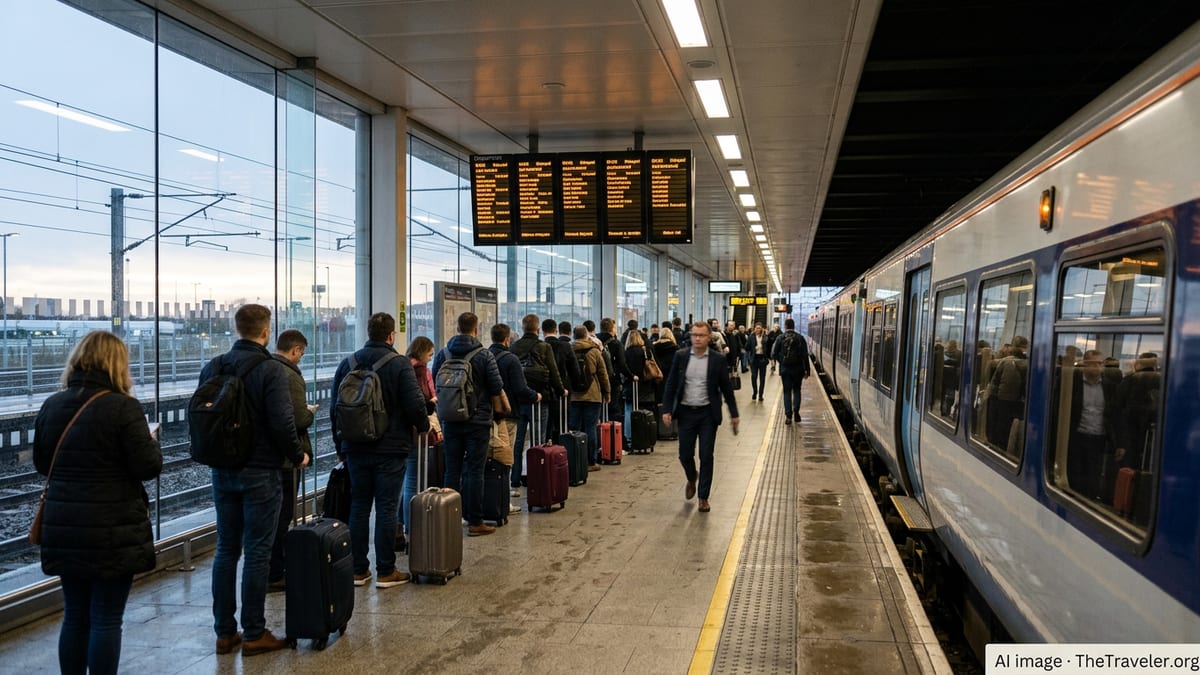
Incident at busy Manhattan station
Initial coverage indicates that the incident occurred at a busy Manhattan subway station during an active service period, when platforms and trains were carrying heavy passenger volumes. Early information suggests that a train or track area inside the station became engulfed in smoke and flames, leading to a rapid response from emergency crews and transit personnel.
Reports indicate that 14 people sustained injuries connected to the fire and the resulting evacuation. Most of the injuries were described in local reporting as related to smoke exposure, minor burns, or the crush of hurried crowd movement, though the full medical picture has not yet been publicly detailed. All of the injured were transported from the station for further evaluation.
Publicly available information on social channels and local outlets shows that smoke quickly filled parts of the station, with some riders sheltering in place on platforms before being directed toward exits. Others were led along trains and through passageways to reach street level, as fire crews worked to secure the scene and cut power in affected sections.
While the precise ignition source has not been formally described in available reports, early accounts point to a fire that started in or near railway infrastructure, such as track-level debris, electrical components, or equipment positioned close to the third rail. Investigations are expected to examine whether maintenance conditions, stray trash, or a mechanical fault contributed to the event.
Emergency response and evacuation
Video and images circulating through local news coverage and rider posts show multiple fire units, ambulances, and police vehicles surrounding the station in the minutes after the fire was reported. According to these publicly available updates, access points around the station were quickly cordoned off, with responders organizing evacuations from multiple stairways and station entrances.
Passengers described crowded conditions as they moved up stairwells and along narrow corridors, with some riders assisting others who were struggling with smoke irritation or mobility issues. Reports indicate that station staff and train crews issued announcements directing riders to specific exits and alternative platforms, while emergency personnel guided those who needed medical attention toward triage areas set up near the station.
Transit alerts issued around the time of the incident described ongoing emergency activity and urged riders to expect longer travel times. Publicly available information shows that track power in the immediate area was shut down for a period so that firefighters could operate safely close to the incident scene, inspect tunnel areas, and check for any lingering hot spots or structural impacts.
Once the fire was brought under control, crews continued ventilating the station to clear smoke from platforms, mezzanines, and connecting corridors. Cleaning teams were also deployed to remove debris, assess water damage from firefighting efforts, and check for damage to station fixtures such as signage, lighting, and communications equipment.
Service disruptions for subway travelers
The incident caused significant travel disruption for residents, commuters, and visitors relying on the subway network. According to transit service updates reviewed after the fire, trains serving the affected line were rerouted to other tracks where possible, while some services were temporarily suspended or operated in segments around the closed station.
Riders reported crowded conditions on nearby lines and platforms as passengers sought alternate routes through the system. Some travelers were advised through transit alerts and station announcements to consider above-ground options, including buses or other subway lines that bypassed the closure. For visitors unfamiliar with the network, the sudden need to re-plan routes in a smoky, crowded environment added to stress and confusion.
Service patterns remained irregular for several hours after the initial blaze while crews inspected electrical systems and signal equipment near the fire location. Publicly available information shows that partial service was restored once safety checks were complete, but full normalization of the schedule was expected to take longer as repairs and inspections continued.
For travelers heading to or from nearby attractions, business districts, or connecting transit hubs, the disruption highlighted the importance of allowing extra time when moving through one of the world’s busiest urban rail systems, particularly when incidents occur during peak periods.
Safety concerns and ongoing investigations
The fire has renewed attention on safety issues in the New York City subway, particularly track fires and smoke incidents that can quickly affect large numbers of passengers. Past reviews of system performance have highlighted the role of debris, aging infrastructure, and complex electrical networks in creating conditions where small faults can escalate into more serious events.
Published coverage indicates that investigators are examining what sparked the fire, as well as how smoke spread through the station and how long it took to evacuate riders. These inquiries typically consider the condition of tracks and tunnels, the performance of ventilation systems, and whether any pre-existing maintenance needs played a role.
Advocacy groups and transit analysts often emphasize that even non-fatal subway fires can have lasting impacts on rider confidence, especially among tourists and occasional users who may feel less comfortable navigating emergency situations underground. The visibility of dramatic images of smoke-filled platforms tends to amplify concern beyond the immediate area.
Findings from the investigation may feed into broader discussions about system funding, modernization, and station design improvements, including enhanced fire detection, faster ventilation, and better passenger information tools to guide travelers during emergencies.
What riders should know when traveling
For people planning trips in and around New York City in the wake of the incident, transit alerts and local news reports suggest monitoring real-time service information before heading underground. Travelers are encouraged to check for partial closures, service changes, or extended repair work that might still affect the line where the fire occurred.
Safety guidance commonly promoted by transit agencies also remains relevant. Riders are urged in public messaging to stay behind platform edge markings, avoid placing bags or loose items near the track area, and report visible smoke or burning odors to staff as soon as possible. In the event of a fire or heavy smoke, passengers are typically directed through announcements and signage to follow instructions from train crews and station personnel rather than attempting to walk through tunnels on their own.
For visitors unfamiliar with the system, keeping an offline map or basic understanding of nearby alternative lines can help reduce anxiety if a station closure or evacuation occurs. Travel planners often recommend allowing extra time when using the subway during rush hours, when any disruption can ripple across multiple routes.
Although the investigation into the latest fire is ongoing, the event underscores how quickly an incident in a confined underground space can affect dozens of people and thousands of journeys, reinforcing the importance of preparedness for anyone moving through New York City’s extensive subway network.