


More news on this day
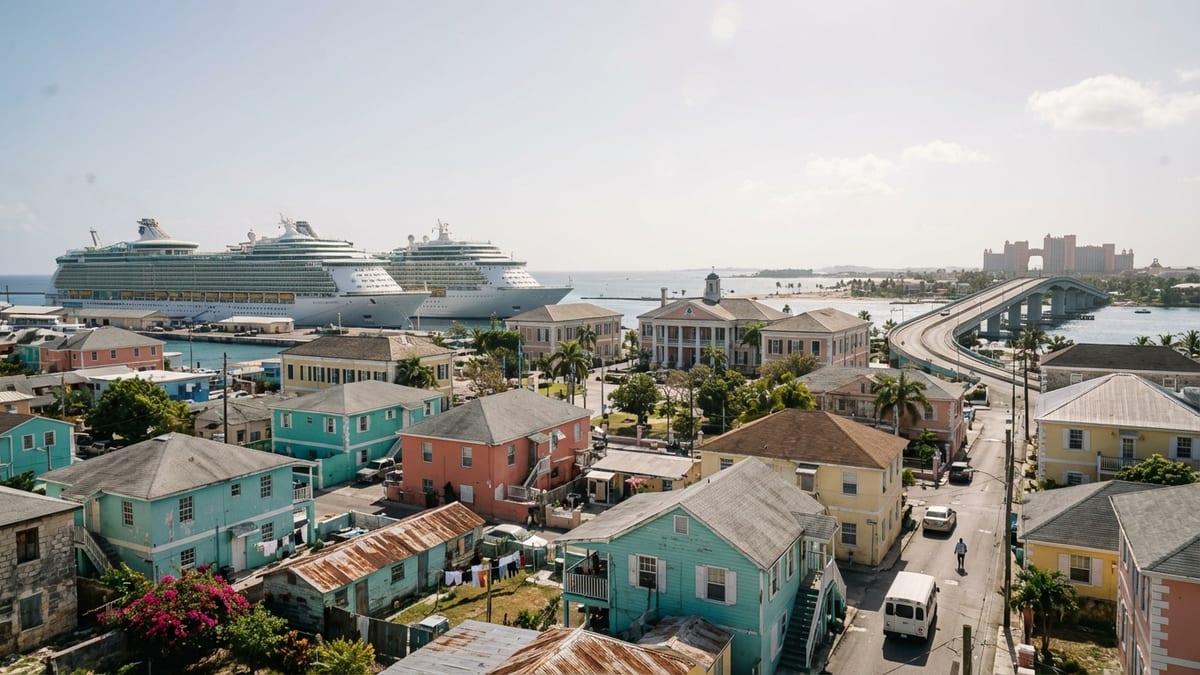
Tarragona Cruise Port has recorded a milestone day with three cruise ships berthed simultaneously, highlighting the port’s fast-growing role in Mediterranean itineraries during a record 2026 season.
Get the latest news straight to your inbox!
Record Season Framed by a Busy Cruise Calendar
The three-ship day comes in the context of what publicly available data describes as a record cruise season for Tarragona, with forecasts of more calls and passengers than in previous years. Port information indicates that the 2026 schedule includes dozens of arrivals across the spring-to-autumn window, extending the operational period compared with earlier seasons.
Planning documents for the current year point to a strong recovery and expansion trend after gradual growth through 2024 and 2025. The port has been steadily increasing its profile among Mediterranean homeports and ports of call, supported by new terminal facilities and improved ground connections to Catalonia’s wider tourism network.
The latest three-ship overlap underscores the operational shift from a niche stop to a busier regional gateway. Passenger volumes on such days can reach many thousands of visitors, combining turnaround guests who start or end their journey in Tarragona with transit passengers who disembark for shore excursions along the Costa Daurada.
Schedules shared by cruise planners suggest that more multiple-ship days are expected through the height of the summer season, although the three-ship configuration remains at the higher end of typical daily traffic for the port.
Mix of Premium, Mainstream and Boutique Vessels
The recent three-ship operation reflects the diverse mix of cruise brands now incorporating Tarragona into their Mediterranean programs. According to published deployment information, mainstream family-oriented ships are sharing the pier with premium and luxury vessels that cater to smaller, higher-spend segments.
Industry coverage of the 2026 season notes a marked increase in calls by high-end operators, including lines that emphasize longer stays and curated excursions into Tarragona’s Roman heritage sites and nearby wine regions. This growth in upscale itineraries is seen as a strategic focus for the port, complementing the larger ships that bring higher overall passenger numbers.
Port-side, the presence of three ships at once highlights the terminal’s ability to handle different operational profiles on the same day. A turnaround vessel requires intensive baggage, provisioning and check-in activity, while a transit ship typically concentrates on shore excursion dispatch and crowd management at the terminal’s arrival and departure zones.
Observers of regional cruise deployment indicate that Tarragona’s appeal lies partly in its flexibility. Lines can use the port as an embarkation point for Western Mediterranean loops, as a convenient stop between Barcelona and French or Italian destinations, or as an alternative call for itineraries looking to vary congested routes.
Infrastructure and Service Upgrades Underpin Growth
The capacity to host three cruise ships simultaneously is the result of sustained investment in Tarragona’s dedicated cruise wharf and terminal facilities. Publicly available port material notes that the new terminal infrastructure, brought into service in the first half of the decade, was designed with multiple berths, modern passenger processing areas and improved access control.
Operational information indicates that the cruise terminal operator has also pursued international certifications for quality management and environmental performance. These efforts are presented as part of a broader strategy to align the port with evolving expectations from both cruise lines and local stakeholders on service reliability and sustainability.
Ground transportation has been another focus. Shuttle services link the cruise terminal with a central meeting point closer to Tarragona’s historic core, allowing passengers to move more easily between the port and city attractions. On busy days such as a three-ship operation, these transport links help distribute visitor flows and reduce bottlenecks at the terminal gates.
The three-ship milestone offers a practical test of these upgrades, with port teams coordinating arrival windows, security checks, baggage handling and excursion departures within tighter timeframes. The smooth functioning of such days is seen as essential to maintaining confidence among cruise planners considering Tarragona for future deployment.
Economic Impact for Tarragona and the Costa Daurada
The influx of three cruise ships in a single day carries noticeable economic implications for Tarragona and the surrounding Costa Daurada region. Local tourism actors point to increased demand for guided tours, hospitality services, retail purchases and transportation, particularly on days when passenger numbers surge.
Analyses of prior seasons at Mediterranean ports with similar profiles suggest that each transit passenger typically spends on food, shopping and experiences during a short stay, while turnaround guests may stay in local hotels before or after their voyage. When multiplied across three ships, the value of this spending can be significant for small businesses in the historic center and coastal communities.
Municipal and regional tourism promotion materials emphasize Tarragona’s UNESCO-listed Roman sites, beaches and family-oriented attractions, including nearby theme parks. The presence of multiple ships at once concentrates attention on how well the destination can absorb peak visitor flows while still delivering a positive experience.
Travel trade commentary indicates that success on high-traffic days can translate into stronger word-of-mouth and repeat bookings, both from cruise lines assessing guest feedback and from passengers choosing future itineraries. For Tarragona, a well-managed three-ship day supports its positioning as a distinctive yet accessible alternative to more saturated Mediterranean hubs.
Balancing Growth With Environmental and Community Concerns
The rise in cruise activity, illustrated by a three-ship day, also brings renewed focus on environmental and community considerations. Regional and European discussions on cruise emissions, air quality and overtourism have increasingly shaped how ports plan their futures, including those on the Spanish Mediterranean coast.
Information released by Tarragona Cruise Port highlights steps such as environmental management systems and measures aimed at reducing the footprint of port operations. Sector-wide initiatives, including the gradual introduction of cleaner fuels and energy efficiency upgrades on ships, form another part of the context in which Tarragona seeks to grow its cruise business.
Local debate often centers on balancing the benefits of cruise visitation with the need to protect heritage sites and maintain quality of life for residents. On days when three ships call at once, this balance becomes highly visible, with larger temporary crowds in the Old Town and along seafront promenades.
Urban planners and tourism stakeholders are paying close attention to how ports like Tarragona manage flows, promote off-peak excursions and coordinate with other nearby destinations to diffuse pressure. The recent three-ship milestone is likely to inform how the port and city fine-tune their approach as the 2026 season progresses and planning begins for future years.