


More news on this day
A collision involving a Metro Transit light rail train in St. Paul has disrupted service along part of the Green Line corridor and drawn a swift response from emergency crews, transit personnel and city officials, according to early regional coverage and public transit alerts.
Get the latest news straight to your inbox!
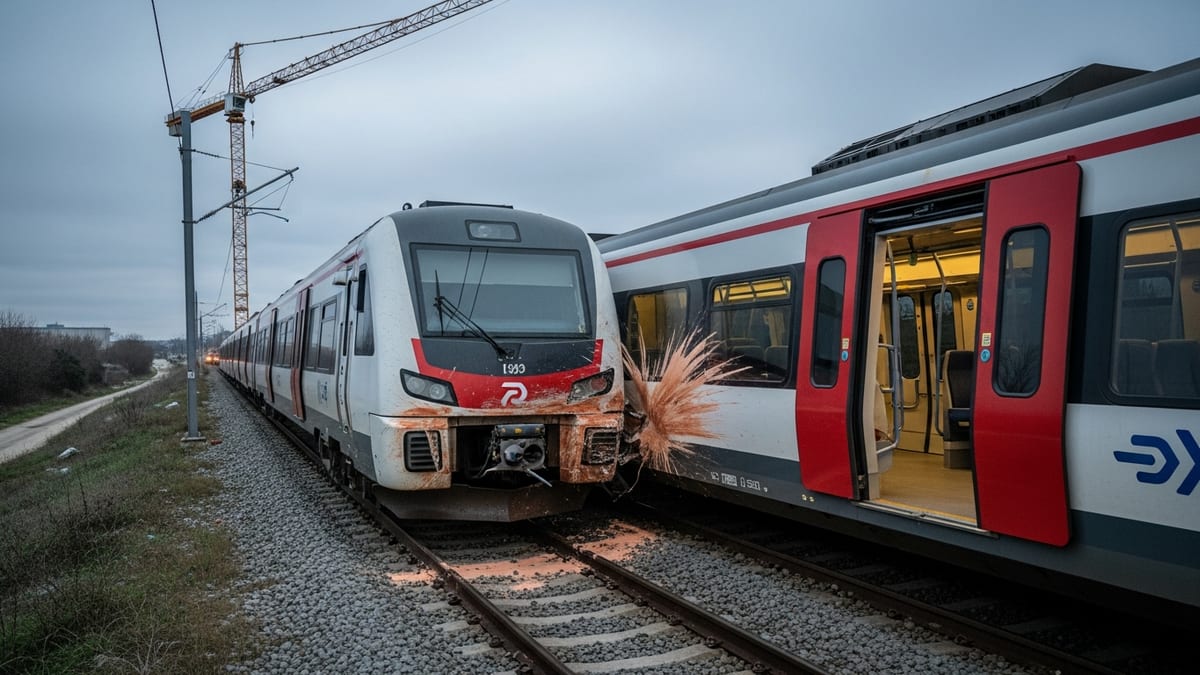
Incident disrupts Green Line operations
Initial reports indicate the collision occurred along the METRO Green Line, which links downtown Minneapolis, the University of Minnesota and downtown St. Paul along University Avenue. Early information from local outlets and rider accounts points to a crash involving a light rail train and a motor vehicle in a section where trains operate at street level through mixed traffic.
Transit alerts and social media reports describe trains being held out of the immediate area while emergency responders assessed the scene and cleared debris. Riders reported delays, with some Green Line trips turned back short of the normal endpoint, and replacement bus service or alternate routes recommended for travelers trying to reach affected stations.
By midafternoon, publicly available information showed that normal train movements remained limited through the incident zone while investigators documented damage to the rail vehicle and the involved automobile. No structural damage to stations or overhead power systems had been widely reported, but rail operations teams were conducting additional inspections before restoring regular frequency.
Injuries and on-scene response
Regional news coverage and initial statements summarized in local broadcasts indicate that several people required medical evaluations following the impact. Early accounts suggest that injuries were primarily to occupants of the motor vehicle, with light rail passengers reporting sudden braking, jostling and minor complaints typical of a low to moderate speed transit collision.
Emergency medical crews and fire units responded to the scene, stabilizing the involved vehicle and assisting passengers from both the train and car. Traffic in the surrounding blocks was temporarily rerouted to provide access for ambulances and tow trucks, contributing to congestion on parallel streets that already carry significant bus and auto traffic.
As is standard practice after a rail crash, safety personnel documented vehicle positions, signal indications and visibility conditions at the time of impact. Photographs and measurements collected on site are expected to support a later reconstruction of events, including train speed and the motorist’s movements just before the collision.
Investigation focuses on signals, traffic patterns
Light rail safety plans adopted by regional agencies describe any collision involving a rail vehicle, a motor vehicle or a person as a reportable incident, triggering internal review procedures and, in some cases, notification of state and federal oversight bodies. Those plans typically require examinations of operator performance, compliance with traffic signals and the functioning of warning systems at the time of a crash.
Publicly available documents on the Green Line corridor highlight the complex environment along University Avenue, where trains share space with turning vehicles, crosswalks and closely spaced intersections. Previous crash analyses for St. Paul have noted that many light rail collisions in the city involve drivers attempting turns across the tracks or entering the guideway unexpectedly from side streets or driveways.
In this latest incident, early descriptions from the scene suggest investigators are reviewing whether a vehicle turn conflicted with the train’s right of way, and whether sight lines, pavement markings or signal timing played any role. Weather conditions at the time of the collision were typical for late June, reducing the likelihood that poor visibility or slick pavement were primary factors.
Service impacts for riders and nearby neighborhoods
Disruptions tied to the collision added a new complication for riders already bracing for a summer of significant light rail maintenance. Metro Transit has outlined periods of reduced or suspended train service on both the Blue and Green lines for infrastructure work, with bus bridges filling gaps along key segments. A collision that temporarily removes a train set from service and constrains a busy portion of track can amplify those existing constraints.
Riders who rely on the Green Line to connect downtown St. Paul with jobs, medical appointments and university campuses experienced additional delays while the incident was cleared. Some travelers shifted to local bus routes that parallel the rail corridor, while others reported longer travel times due to crowding on alternate services.
For businesses along the affected stretch of University Avenue, any prolonged slowdown in light rail frequency can mean fewer spontaneous visits from customers who typically hop off at nearby stations. Although the collision’s direct impact area was relatively compact, merchants and neighborhood organizations are watching closely for signs that repeated service interruptions could dampen summer foot traffic.
Renewed attention on corridor safety and design
The collision has renewed discussion about how St. Paul balances at-grade light rail operations with busy urban traffic. Transit advocates and neighborhood residents have periodically raised concerns about driver compliance with signals, turning movements across the tracks and the challenges of educating occasional motorists who may be unfamiliar with sharing streets with frequent trains.
Past safety reviews of the corridor have suggested a mix of engineering and enforcement tools to reduce collision risk, including clearer pavement markings, additional signage, refined signal timing and targeted traffic enforcement at intersections with higher crash histories. The new incident is likely to be folded into ongoing analyses, helping determine whether further upgrades are warranted at the specific location.
Publicly available planning documents for regional rail and bus improvements also highlight the importance of maintaining public confidence in light rail safety. Even when injuries are limited, visible crashes can shape perceptions of risk and influence decisions about whether to ride. Officials are expected to review the findings of the current investigation alongside broader crash trends as they refine safety campaigns and future investments along the Green Line corridor.