


More news on this day
An outbound Metra train struck a pedestrian riding a bicycle near the Schaumburg station on the Milwaukee District West Line Thursday morning, injuring the individual and causing significant delays for commuter rail service through Chicago’s northwest suburbs.
Get the latest news straight to your inbox!
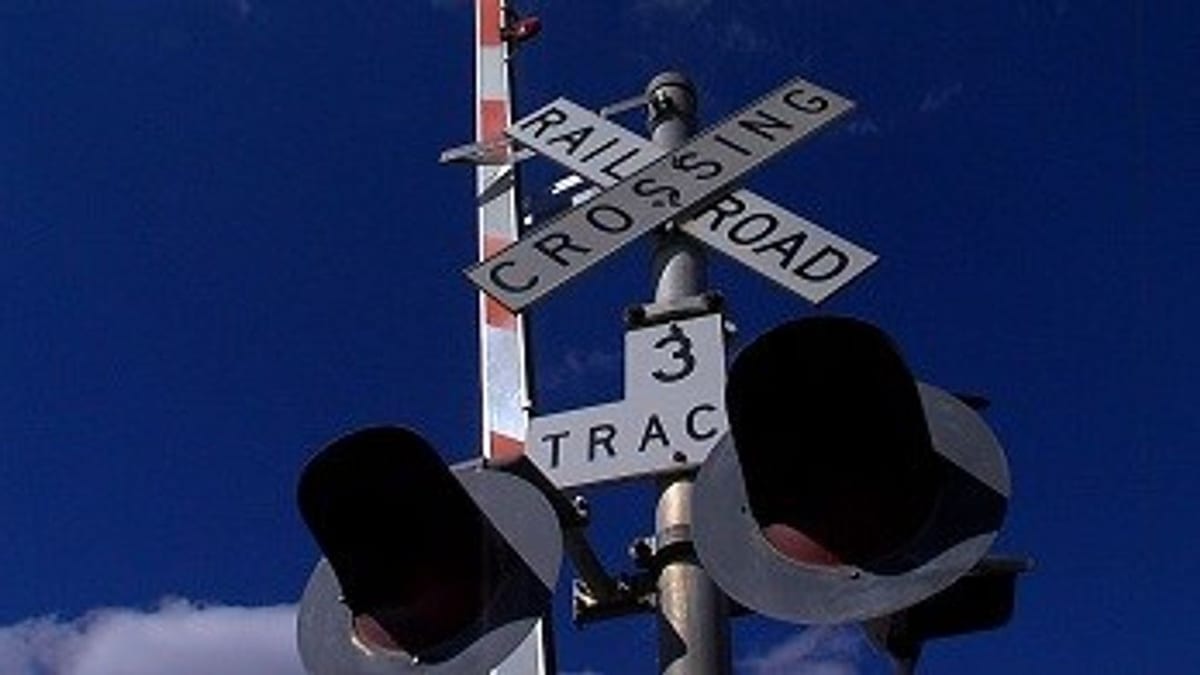
Morning collision near Schaumburg commuter hub
Publicly available information indicates the collision occurred shortly after the morning rush began, near the Schaumburg Metra station on Springinsguth Road. Initial reports describe the person as a male bicyclist who was crossing the tracks when he was hit by an outbound train serving the Milwaukee District West Line.
Local coverage notes that the incident happened on the east side of the station area, where riders typically access platforms and nearby parking. The impact left the bicyclist injured and prompted an immediate response from local emergency services, which transported the individual to a nearby hospital for treatment. No information had been released about the rider’s identity as of late morning, and the full extent of the injuries was not immediately available.
Metra serves Schaumburg as a key park-and-ride station for commuters traveling between the northwest suburbs and downtown Chicago. The timing of the incident, during a busy weekday morning, meant both trains and station-area traffic were quickly affected as responders worked around the railway right-of-way.
Witness accounts in early media coverage describe a scene of halted trains and passengers waiting on platforms and in railcars while first responders worked in the vicinity of the tracks. Some riders reported being held on trains for an extended period as rail traffic remained stopped in both directions.
Service disruptions ripple across Milwaukee District West Line
According to published service alerts and news reports, outbound Metra trains on the Milwaukee District West Line were halted near Schaumburg immediately after the collision, with inbound trains initially stopped and later allowed to move through the area under delay. The train involved in the incident was identified in some coverage as operating on a regularly scheduled outbound morning run from Chicago’s Union Station.
Rail traffic gradually resumed after the scene was secured, first with limited movement on one track and then with fuller operations later in the morning. Reports indicate that one track reopened within about an hour of the collision, while the second track reopened closer to mid-morning, helping Metra work through a backlog of delayed trains.
Passengers traveling between downtown Chicago and communities such as Schaumburg, Roselle and Elgin experienced significant delays and altered boarding times. Some riders reported on social media that they were advised to expect extended travel times and potential train cancellations as dispatchers adjusted the schedule around the disruption at Schaumburg.
The incident added pressure to an already busy regional rail network. Milwaukee District West trains serve a mix of daily commuters, reverse commuters and occasional travelers, and even a single disruption during peak hours can have cascading effects across multiple trips in both directions.
Ongoing investigation into circumstances of the crash
Publicly available information from multiple outlets indicates that Metra police and local law enforcement agencies are reviewing the circumstances of the crash, including how the bicyclist came to be on the tracks as the outbound train approached. Early reports did not clarify whether crossing gates and warning devices were active at the time or whether the bicyclist was attempting to pass through the crossing against signals.
Investigations of this type typically examine train speed, visibility, signaling, and the actions of both the train crew and the person on or near the tracks. Officials also routinely review video recordings from locomotive cameras and collect statements from passengers and bystanders to build a clearer picture of the moments leading up to the collision.
As of late morning, there were no published indications of criminal charges or citations related to the incident. Future updates from local news organizations and Metra communications are expected to address whether the collision is ultimately classified as an accident, a result of unsafe crossing behavior, or tied to any other contributing factors.
Investigations into train strikes can take days or weeks as agencies compile findings, and final determinations regarding cause and any safety recommendations are often released later in formal summaries or public reports.
Recent pattern of Metra pedestrian strikes raises safety concerns
The Schaumburg collision comes amid a series of recent incidents across the Chicago-area commuter rail network involving pedestrians and cyclists being struck by trains. In the weeks leading up to Thursday’s crash, separate pedestrian fatalities have been reported along other Metra lines in suburbs such as Palatine and Arlington Heights, drawing renewed public attention to rail safety and grade-crossing behavior.
Transportation safety advocates often highlight several recurring risk factors in these incidents, including attempts to bypass lowered gates, distractions caused by mobile devices, and misjudging train speed or distance. In suburban corridors where tracks run alongside busy roads and multi-use paths, conflicts between rail traffic, motorists and cyclists can be especially acute.
The Schaumburg station is widely used by commuters who arrive by car, bus and bicycle, and the surrounding area includes roadways, sidewalks and parking areas that intersect near the rail line. While formal findings for Thursday’s crash remain pending, the incident reinforces ongoing messaging from safety campaigns that stress the importance of never entering a crossing when lights are flashing or gates are down, and of staying off tracks except at designated, open crossings.
Regional agencies and municipalities periodically run outreach efforts around stations such as Schaumburg, encouraging both residents and visitors to treat all tracks as active at all times and to assume that trains may approach more quickly and quietly than expected.
Travelers advised to monitor updates as normal operations resume
By mid-morning, publicly available information indicated that trains were again moving through Schaumburg in both directions, although lingering delays remained on the Milwaukee District West Line. Riders heading to and from downtown Chicago were advised through media reports and service alerts to allow extra time and to check the latest information before heading to stations.
For many travelers, Schaumburg serves as a key link between regional road networks and rail, with large park-and-ride lots and local bus connections feeding into the station. Disruptions such as Thursday’s collision can quickly affect a broad swath of northwest suburban commuters, particularly those with tightly timed transfers to city transit or workplace shuttles.
While travel conditions were gradually stabilizing, some commuters reported adjusting their plans by working remotely, rescheduling appointments or using alternative routes to avoid uncertainty on the line. Others remained on delayed trains already in service, waiting to move through the affected area once dispatchers authorized normal speeds.
The incident at Schaumburg underscores how quickly an unexpected event at a single suburban station can reverberate across the broader Chicago-area commuter rail system, impacting both local riders and travelers making longer regional journeys.