


More news on this day
A man has died after suffering a severe electric shock while on the roof of a train at Southport railway station, leading to significant disruption to services and renewed scrutiny of safety around high-voltage rail infrastructure.
Get the latest news straight to your inbox!
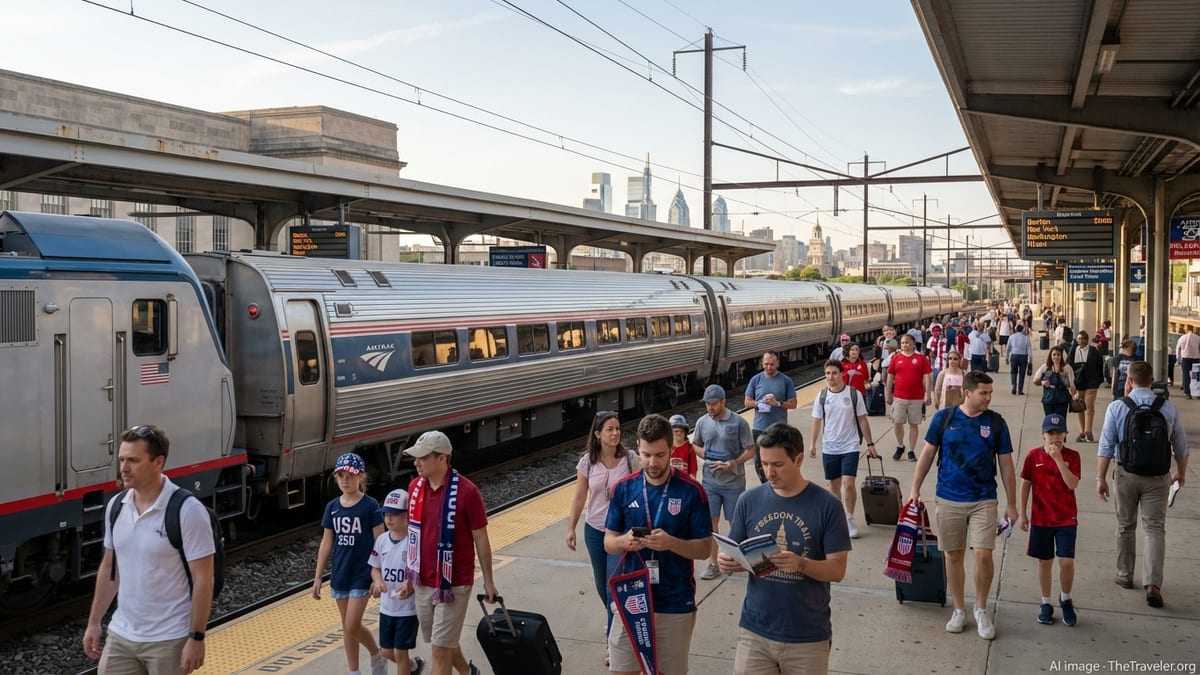
Incident at Busy Merseyside Terminus
Reports indicate the incident occurred at Southport railway station in Merseyside, a major northern terminus served by regional and commuter services. Witness accounts described emergency responses focusing on a person discovered on top of a stationary train near the platforms.
Publicly available information suggests the man came into contact with high-voltage overhead equipment while positioned on the carriage roof. Contact with this kind of infrastructure can deliver a powerful electric shock even without direct physical touch, due to the voltage involved.
Rail services were brought to a standstill as power supplies were isolated to allow emergency crews to reach the individual safely. Passengers reported being kept onboard trains or held on platforms while the line was secured and the immediate area around the train cordoned off.
The man was later confirmed to have died from his injuries. No other casualties have been reported in connection with the incident, although several witnesses have described being visibly shaken by what they saw.
Disruption to Rail Services and Passenger Impact
The incident triggered widespread disruption at Southport, which functions as a key rail gateway for commuters and leisure travellers heading to and from the Sefton coast. According to published service updates, trains were suspended or heavily delayed while emergency procedures were carried out and the infrastructure was checked.
Passengers on affected services reported extended waits on trains and platforms, with some services reportedly turned back before reaching Southport. Replacement travel options were limited in the immediate aftermath, leaving many travellers seeking alternative road transport or adjusting their plans.
Rail operators typically follow strict protocols when a serious incident involves power equipment. These steps can include isolating overhead lines, visually inspecting rolling stock and infrastructure and conducting safety checks before allowing normal operations to resume. As a result, significant delays can continue for several hours even after the immediate emergency response has concluded.
Once the scene was declared safe and rail infrastructure inspected, services were gradually reintroduced. However, residual delays and short-notice cancellations were still affecting journeys for some time after the initial suspension.
High-Voltage Overhead Systems and Risk of Electrocution
Southport station is served by electric trains that draw power from overhead wires. These systems typically operate at thousands of volts, sufficient to propel multiple-carriage trains over long distances. Public safety information from rail operators stresses that contact with such equipment can be fatal and that a lethal arc of electricity can jump a short distance through the air.
Published coverage of similar incidents worldwide highlights the dangers faced by anyone climbing on train roofs or structures near overhead lines. Even standing upright on top of a carriage can bring a person within the critical distance at which electricity can arc, causing catastrophic burns, cardiac arrest or instant death.
Rail safety campaigns in the United Kingdom and internationally repeatedly warn that trains and their surrounding infrastructure are not safe places for exploration, shortcuts or high-risk stunts. Despite this, rail networks periodically report incidents involving people accessing restricted areas, including tracks, depots and carriage roofs.
In this latest case at Southport, investigators are expected to examine how the man reached the top of the train, whether access controls were breached and if any prior behaviour at the station may have contributed to the circumstances leading up to the electrocution.
Ongoing Investigation and Safety Considerations
Following a fatality involving railway infrastructure, specialist teams commonly review station layouts, fencing, signage and surveillance footage to understand the sequence of events. Information made public after similar cases shows that such inquiries often assess whether further physical barriers, warning notices or staff presence could reduce the risk of people reaching hazardous areas.
According to publicly available guidance on rail safety, factors typically examined include the ease of access to train roofs from nearby structures, the visibility of high-voltage warning signs and whether lighting, crowding or alcohol may have played a role. Findings can result in recommendations ranging from better signage to engineering changes at specific stations.
Campaigners focused on rail safety frequently call attention to the severe consequences of trespassing on railway property, noting that high-voltage systems and moving trains can leave little margin for error. Incidents involving people on top of trains, in particular, are often described in public information materials as entirely avoidable tragedies.
As details from Southport continue to emerge through official statements and subsequent reporting, the case is likely to figure in ongoing discussions about how best to deter dangerous behaviour around stations and how to ensure passengers understand the invisible risks posed by modern electric rail systems.
Community Response and Broader Context
Southport is a popular seaside destination, and its central station is closely integrated with surrounding shops, bus links and visitor attractions. Serious incidents there can have a notable impact on the sense of safety for regular commuters as well as tourists unfamiliar with the area.
Local reactions, as reflected in early social media posts and community commentary, suggest a mixture of shock and concern, with many expressing sympathy for those directly affected and for passengers who witnessed the aftermath. Some comments have also renewed calls for continued public education about the dangers of overhead power equipment and trespassing on railway property.
Experts in rail safety point out that, although fatal electrocutions involving train roofs are relatively rare compared with other types of railway incidents, each case underscores the extreme hazards present in environments built around high-speed, high-voltage technology. They argue that consistent messaging, visible security measures and clear separation between public spaces and restricted areas remain essential in preventing future tragedies.
The Southport incident now joins a wider catalogue of rail-related electrocutions that are frequently cited in awareness campaigns as stark examples of what can happen when people access prohibited areas near trains and power equipment. For travellers passing through busy stations, it serves as a reminder that the safest place to be is on the platform behind the designated markings and well away from any infrastructure carrying electrical power.