


More news on this day
A collision involving a light rail train has left one person injured and caused service disruptions on a key urban transit corridor, highlighting the vulnerability of commuters and visitors who rely on light rail as a primary link between city centers, neighborhoods, and regional transport hubs.
Get the latest news straight to your inbox!
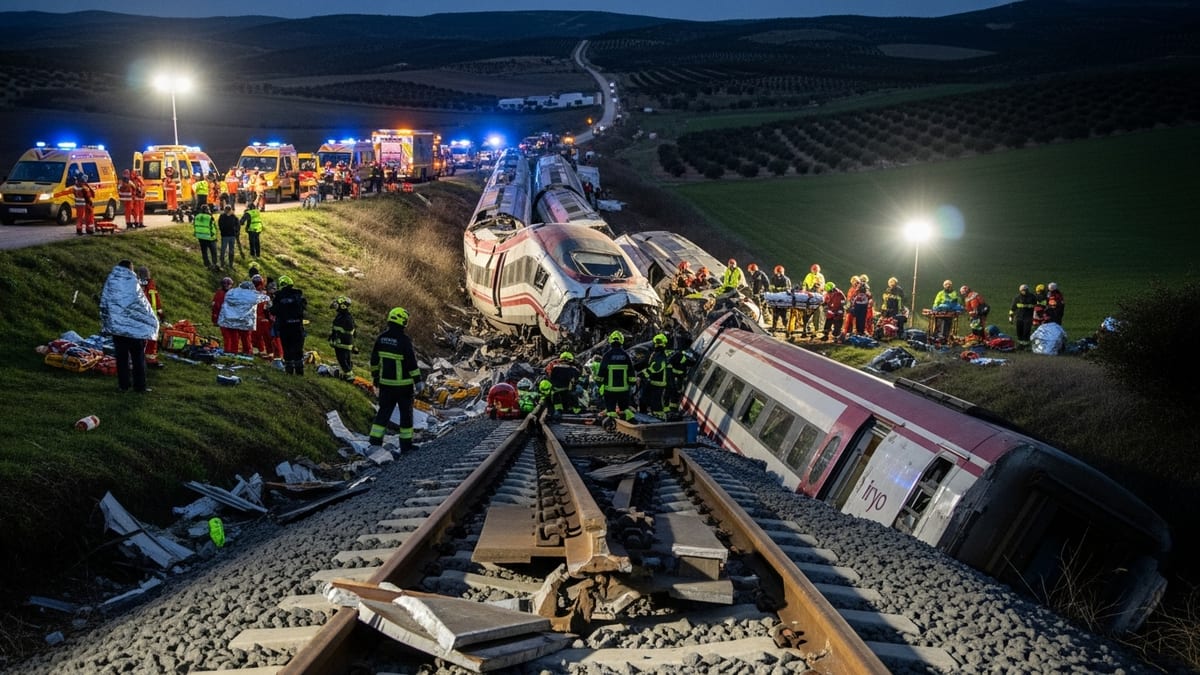
Initial Reports of the Collision
Early information from local coverage indicates that the incident involved a light rail train striking another vehicle or obstacle along an at-grade section of track. The impact resulted in at least one reported injury, described in media accounts as non-life-threatening, and forced the temporary suspension of rail service along the affected segment.
Images and descriptions shared through news outlets show emergency responders attending to the scene while passengers were moved away from the tracks. Publicly available information suggests that the train remained upright and that damage was largely confined to the leading section of the rail vehicle and the object it hit, limiting the scale of injuries among those on board.
Transit agencies routinely classify such events as rail transit collisions, triggering internal safety reviews and, in some cases, external investigations. In this case, early indications are that a formal review will focus on train speed, signal aspects, track conditions, and the behavior and positioning of any vehicles or pedestrians in the right of way.
Impact on Travelers and Local Mobility
For regular riders and out-of-town visitors, the collision quickly translated into missed connections, crowded replacement buses, and longer journey times. Light rail lines often form the backbone of urban mobility, delivering riders directly to downtown districts, sports venues, business centers, and in some cities, major regional bus and rail terminals.
Following the incident, published service alerts reported partial suspensions and delays as the affected tracks were inspected and cleared. Railcars had to be removed from the scene and infrastructure checked for damage before any limited service could resume. Travelers were encouraged to allow extra time, consider alternate bus routes, or use ride-hailing services where available.
Travel-focused advisories emphasized that disruptions of this kind can ripple across a wider metropolitan network. When a light rail line goes out of service unexpectedly, connecting bus routes can quickly become congested, and traffic around park-and-ride facilities may worsen as riders switch to private cars. Visitors unfamiliar with the system can be particularly affected if they are relying on advertised “train-to-downtown” links to reach hotels, conference centers, or airports on tight schedules.
Safety Context for Light Rail Systems
While any collision is alarming for those involved, current data continues to show that serious light rail incidents remain relatively rare compared with road traffic crashes. Recent safety and security reports for North American and European light rail networks document a mix of minor collisions, grade-crossing strikes, and right-of-way intrusions, most resulting in few or no serious injuries.
Publicly available safety manuals and reporting standards classify a train collision with an injury as a reportable rail transit event, even when the injury is limited to a single person. This approach is designed to ensure that near-misses and lower-severity incidents still receive detailed review, enabling agencies to identify patterns such as problematic crossings, blind spots, or recurring risky behavior by drivers and pedestrians.
In practice, most light rail systems operate with multiple layers of protection, including dedicated signaling, operator training, speed restrictions in mixed-traffic areas, and public-education campaigns around tracks and crossings. However, the presence of street-level running and shared intersections can never fully eliminate the risk of contact between trains and other road users, especially where busy arterial roads cross the rail corridor.
Investigative Focus and Possible Contributing Factors
Following a collision such as this, investigators typically examine data from onboard recorders, trackside signals, and surveillance cameras, alongside inspections of braking systems, wheels, and rail infrastructure. According to published summaries of prior light rail investigations, key questions usually include whether the train was traveling at an appropriate speed, whether any signal aspects were missed, and whether the other party involved in the collision entered the right of way unexpectedly.
Past reports on light rail safety highlight several common contributing factors: motorists attempting to beat closing crossing gates, pedestrians stepping into the alignment while distracted, and vehicles turning across tracks at complex intersections. Environmental conditions, such as rain-reduced visibility or low winter sun at certain angles, can also affect operator sightlines and braking performance.
For this latest collision, public information to date does not point to any single confirmed cause. Instead, it suggests that investigators will likely explore a combination of human behavior, infrastructure design, and equipment performance. The results may lead to recommendations such as revised signage, changes to signal timing, improved roadway markings near tracks, or targeted enforcement at high-risk crossings.
What Rail Users Should Know Going Forward
For travelers, the incident is a reminder that even in generally safe networks, basic precautions remain important. Transport agencies and safety bodies encourage riders to stay behind platform markings, avoid standing close to the edge while trains approach, and respect barriers and audible warnings at crossings. Motorists are urged not to drive around lowered gates or stop vehicles on the tracks while waiting at traffic signals.
Travel planners often advise building extra time into itineraries that depend on a single rail link, particularly when catching flights, intercity trains, or cruise departures. Where possible, checking transit notifications before departure can help identify service disruptions and suggest alternative routes.
For the affected light rail system, the coming weeks are likely to include ongoing inspections, potential operational adjustments, and renewed public-awareness messaging around safety near tracks. While the collision has understandably unsettled some riders, historical experience in multiple cities shows that lessons drawn from such events frequently translate into refinements that further strengthen the safety record of urban rail travel.