


More news on this day
Edinburgh is preparing to welcome hundreds of thousands of visitors for the 2026 Festival Fringe, with the Scottish capital already mapping out dates, venues and travel options for the peak August season.
Get the latest news straight to your inbox!
Key Dates and What to Expect in August 2026
The 2026 edition of the Edinburgh Festival Fringe is scheduled to run from 7 to 31 August, placing it once again at the heart of the city’s traditional festival month. Publicly available festival planning documents indicate that the Fringe spans nearly all of August, creating a sustained period of performances, pop-up venues and crowded streets across the Old Town and New Town.
The Fringe sits alongside several other major events, meaning visitors in August 2026 can expect a dense cultural calendar. The Edinburgh International Festival, the Royal Edinburgh Military Tattoo, the Edinburgh International Film Festival, the Edinburgh Art Festival and the Edinburgh International Book Festival are all listed to run on overlapping dates. This concentration of activity turns central Edinburgh into a continuous performance hub, but also intensifies demand for rooms, restaurant bookings and public transport.
Fringe programmers and venue operators typically release show details in waves, and early announcements for 2026 have already highlighted hundreds of productions spread across dozens of stages. These range from stand-up comedy and experimental theatre to music, dance, children’s shows and spoken-word. With more listings expected to appear through spring and early summer 2026, prospective visitors are advised to treat current programme details as an early snapshot rather than a complete picture.
Given the festival’s scale, the city’s tourism agencies continue to describe the August period as one of Edinburgh’s busiest times of the year. Hotel occupancy rates, short-term rentals and hostel beds historically climb sharply during the Fringe, and early booking is widely presented as essential for anyone planning to attend the 2026 edition.
Getting to Edinburgh and Moving Around the City
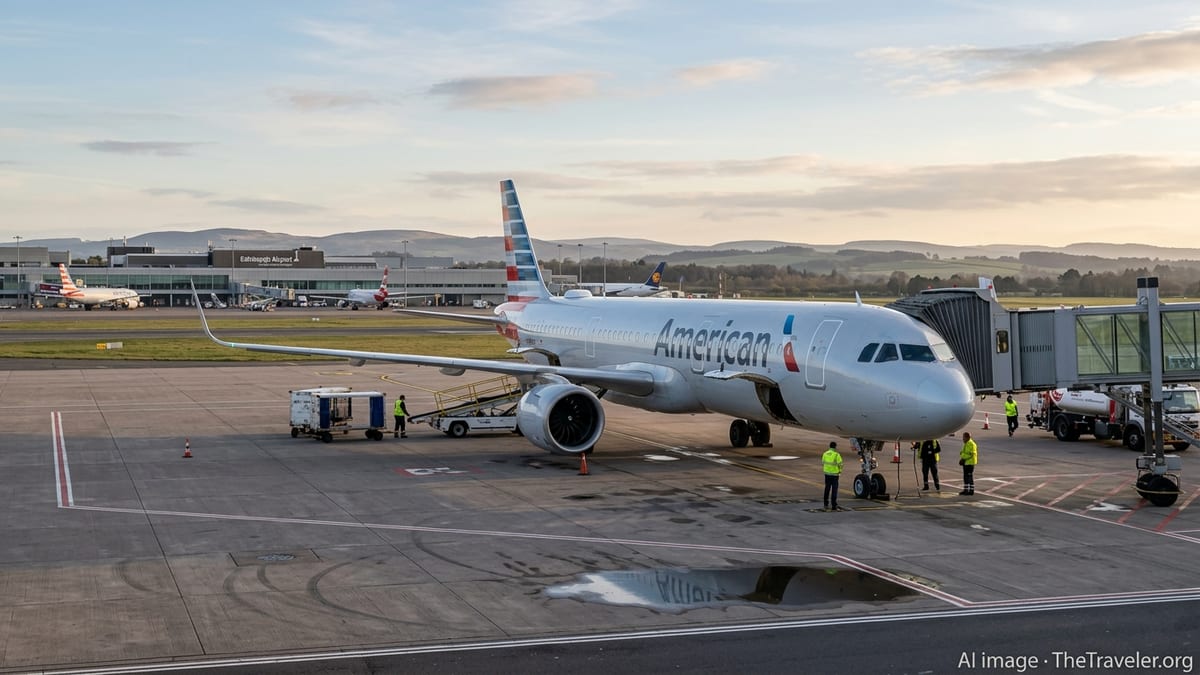
For long-haul and European visitors, Edinburgh Airport remains the most direct gateway, located around eight miles from the city centre. Trams and dedicated airport buses connect arrivals to central hubs such as Haymarket and Princes Street, where many festival venues are within walking distance or a short bus ride. Travel guides and transport planners continue to recommend public transport rather than rental cars during August, citing congestion, limited parking and temporary road restrictions around key festival zones.
Domestic travellers from within the United Kingdom are likely to rely on rail links into Edinburgh Waverley, the main station positioned between the Old Town and New Town. Journey planners show frequent services from London, northern England and other Scottish cities, but festival-season reports regularly signal heavier passenger loads and advise advance booking of specific trains. Arriving by rail places visitors within walking distance of major Fringe districts, including the Royal Mile, Cowgate, Bristo Square and George Square.
Within the city, buses and trams form the backbone of public transport, supplemented by extensive walking routes. Recent advice shared by experienced festival-goers stresses that travel times can lengthen during the Fringe due to crowding on pavements and at junctions. Timings provided by navigation apps sometimes underestimate delays during peak hours, so building extra margin into schedules is frequently recommended, particularly when connecting between tightly timed shows at different venues.
Cycling infrastructure in Edinburgh has expanded in recent years, but festival-specific commentary suggests that navigating busy central streets by bike in August can feel challenging for inexperienced riders. Many visitors instead rely on walking, with some planning each day around one or two neighbourhood clusters of venues to cut down on cross-city journeys. This approach is often highlighted as a practical way to manage fatigue and reduce the risk of missing performances.
Accommodation, Budgeting and Booking Strategy
Accommodation is one of the most pressing issues for Fringe visitors, and 2026 is expected to follow the pattern of strong demand and elevated prices across most categories. Industry coverage and traveller forums indicate that hotel and short-let rates in central Edinburgh typically rise significantly for August dates, especially over the two middle weekends of the Fringe. Budget-conscious visitors often look to book many months in advance or consider locations beyond the city centre, using train or bus links from surrounding towns.
University halls of residence, which frequently convert into temporary festival accommodation, remain a notable option during August. These properties can offer relatively central locations and predictable standards at mid-range prices. However, availability is limited and often contracted early to tour operators and festival partners, so individual travellers are usually encouraged to research these options well ahead of time.
For those on tighter budgets, hostels and shared apartments are common solutions, but they also sell out quickly for sought-after dates. Some repeat visitors report success combining a shorter stay in central accommodation with day trips from less expensive bases in the wider Central Belt of Scotland. This approach can reduce costs but adds commuting time, which may be less appealing for visitors wanting late-night shows and early-morning starts.
Beyond lodging, Fringe spending is driven by show tickets, food, drink and transport. While many high-profile performances charge standard theatre prices, a parallel ecosystem of free or pay-what-you-want shows continues to operate across bars, basements and pop-up spaces. Visitors frequently describe weaving free events into their schedules as a way to stretch budgets while sampling emerging talent, then reserving paid tickets for a handful of must-see acts.
Venues, Neighbourhoods and Planning Your Schedule
The Fringe’s venue map extends across central Edinburgh, with clusters in and around the Royal Mile, Bristo Square, George Square, Cowgate and the New Town. Long-established operators typically use a mix of theatres, lecture halls, function rooms and improvised stages inside churches or historic buildings. In addition, independent bars and nightclubs continue to convert back rooms and basements into temporary performance spaces for the duration of the festival.
Programmes highlight that shows are often scheduled back-to-back from late morning until after midnight, giving audiences the opportunity to see multiple performances in a single day. Veteran attendees often recommend focusing on one or two districts per day and leaving room for spontaneous choices, including word-of-mouth hits that gain momentum as the festival progresses. Planning tools, printed brochures and mobile apps all play a role in helping visitors track start times, running durations and venue locations.
First-time visitors are frequently advised to pay close attention to the gaps between shows on their itineraries. Even when venues appear close together on a map, steep streets, crowds and queues at busy times can stretch walking times beyond expectations. Some experienced festival-goers suggest allowing at least 30 minutes between performances in different buildings and more for cross-town journeys, to avoid the stress of missed starts.
Weather is another factor in schedule planning. While August is summer in Scotland, conditions can shift quickly between sunshine and heavy showers, and some outdoor or partially covered venues can feel cool in the evenings. Travellers often report that layered clothing and compact waterproofs are helpful for moving between sites, particularly on days with long gaps between indoor performances.
Beyond the Fringe: Exploring Edinburgh and Wider Scotland
For many international visitors, Fringe 2026 will form part of a wider trip to Scotland. With the festival dates confirmed for most of August, travel planners are highlighting opportunities to combine a few intensive days in Edinburgh with excursions to the Highlands, islands or other Scottish cities before or after the festival. Rail and coach networks link the capital to destinations such as Glasgow, Inverness, Aberdeen and Stirling, while tour operators continue to market day trips to nearby landscapes and historic sites.
Within Edinburgh itself, the city’s museums, galleries and historic attractions remain open during August, though some report higher visitor numbers and longer queues. The Old Town’s medieval streets, the New Town’s Georgian avenues and landmarks such as the castle and Arthur’s Seat provide a backdrop that many travellers cite as a key part of the Fringe experience. Balancing time indoors at performances with time outdoors exploring the city can help mitigate festival fatigue.
Food and drink also form a significant part of the cultural experience during the Fringe. Restaurant reservation platforms and local commentary suggest that popular spots in the city centre book out quickly in August evenings, while casual eateries, pubs and food stalls absorb much of the overflow. Visitors looking for quieter dining are often advised to explore neighbourhoods slightly away from the main festival corridors, including residential districts reachable by a short bus ride.
With the 2026 Edinburgh Festival Fringe now firmly on the international events calendar, tourism bodies, venues and performers are collectively positioning the city for one of its busiest summers in recent years. For travellers willing to plan ahead on accommodation, transport and schedules, August in Edinburgh offers a concentrated blend of performance, heritage and urban energy that remains unmatched elsewhere in the cultural tourism landscape.