


More news on this day
A collision involving two cars and a passing train at a level crossing has left one person injured and caused significant disruption to both rail and road traffic, according to early regional news reports and publicly available incident summaries.
Get the latest news straight to your inbox!
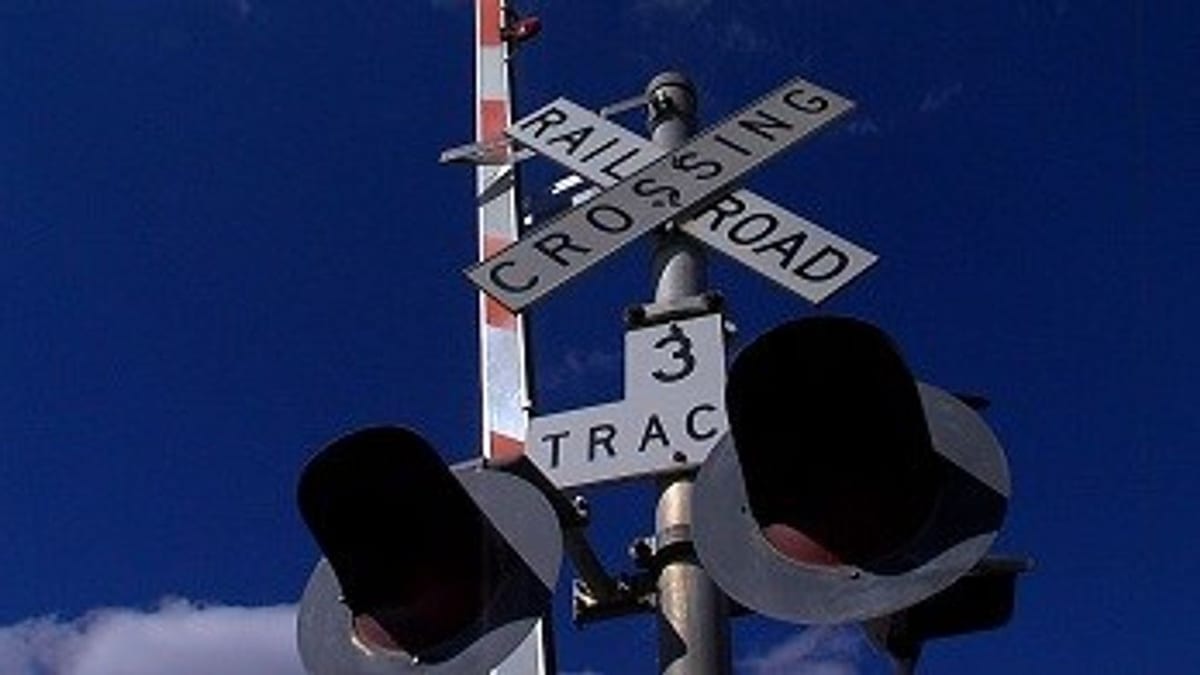
Collision at Busy Rail Crossing Leaves One Hurt
Initial accounts from local coverage and transport incident logs indicate that the crash occurred at a level crossing where a train struck at least one of two cars that were on or near the tracks. One person from the road vehicles was reported injured and taken for medical treatment, while others at the scene were assessed for more minor complaints.
Images and descriptions from the scene show damaged cars positioned close to the rails and a train stopped some distance beyond the impact point. Emergency responders temporarily cordoned off the area as they worked around wreckage and checked passengers on the train, though no serious injuries have been publicly reported among those on board.
Rail services through the corridor were suspended for several hours while crews inspected the train and track for damage. Road traffic in the immediate vicinity was diverted, with drivers facing delays as detours were put in place around the blocked crossing.
Publicly available information suggests that investigators are now reviewing how the two cars came to be in the train’s path and whether visibility, traffic congestion or driver behavior contributed to the collision.
Level Crossings Under Renewed Scrutiny
The latest collision adds to a long record of incidents at road rail intersections, where the interaction between motor traffic and high speed trains continues to present acute safety challenges. Even when crossings are equipped with gates and warning systems, a momentary misjudgment by a driver can have severe consequences.
Recent international summaries of rail accidents show that car train collisions at level crossings remain a recurring issue in both urban and rural settings, cutting across regions and rail operators. In many cases, a single occupant of a road vehicle bears the brunt of the impact, while train passengers escape with little or no physical harm but experience substantial disruption.
Road safety advocates frequently point to these crashes as evidence that engineering improvements alone are not enough. They argue that changes to driver education, enforcement of traffic laws at crossings, and better data collection on near misses are also needed to reduce the risk of similar events.
The latest incident is likely to feed into broader policy discussions around how to prioritize upgrades, especially on busy commuter lines where vehicle queues can form on or near tracks during peak hours.
Investigators Examine Warning Systems and Driver Actions
In the wake of the crash, attention is turning to the operation of the crossing’s warning systems at the time of impact. Publicly available technical standards describe how lights, bells and barriers are intended to activate before a train arrives, creating a clear buffer for vehicles to clear the tracks.
Investigative teams typically review data from signaling equipment, train event recorders and nearby cameras, if available, to determine when warnings activated and how drivers responded. In some past collisions, reports have highlighted drivers attempting to cross after lights began flashing or weaving around lowered gates, actions that can quickly bring a vehicle into conflict with an oncoming train.
Assessments also tend to consider environmental factors such as low sun, rain or fog, as well as road layout and sightlines around the crossing. If any deficiencies in signage, surface conditions or approach geometry are identified, they can lead to recommendations for engineering changes or new operational rules.
While the full circumstances of this event have not yet been detailed in official summaries, early indications from local reporting suggest that only one of the two cars suffered a direct impact with the train, which may help investigators understand how the collision sequence unfolded.
Travel Disruption for Rail Passengers and Local Drivers
For travelers, the crash translated into hours of uncertainty as trains were halted on the affected line and replacement services arranged where possible. Some passengers remained on the stationary train while crews inspected the vehicles, while others were moved onward by alternative transport once it was deemed safe.
Rail operators often face a delicate balance in these situations, seeking to restore service quickly while preserving a detailed incident scene for investigative purposes. As a result, timetables can remain disrupted long after damaged vehicles are removed, with knock on effects for later services across the network.
Drivers in the surrounding area also experienced significant delays, particularly where the crossing sits on a key local artery. Detours onto smaller side roads can quickly generate congestion, extending journey times and creating challenges for commercial traffic and emergency services.
Transport agencies commonly use these disruptions as an opportunity to review contingency plans, including how quickly traffic control points are set up and how information is relayed to navigation apps and broadcast traffic reports to help motorists avoid bottlenecks.
Ongoing Debate Over Eliminating High Risk Crossings
The collision is likely to intensify ongoing debate over the future of high risk level crossings, with some rail and road safety specialists calling for more aggressive programs to separate road and rail traffic entirely. Grade separation projects, which route roads over or under tracks, are often cited as the most effective long term solution, but they are costly and can take years to design and build.
Publicly available planning documents in other regions highlight how authorities prioritize crossings for upgrades based on train speeds, traffic volumes and past incident history. Locations that combine frequent train movements with heavy road use and limited visibility are often considered for early intervention.
In the meantime, incremental measures such as improved lighting, clearer lane markings, additional signage and targeted enforcement campaigns are frequently recommended to address immediate risks. Educational outreach, particularly in communities where residents regularly cross tracks on daily commutes, is also seen as an important tool.
For now, local travelers are being urged through public information channels to allow extra time, respect any diversions near the affected crossing and remain alert around rail lines, as investigators continue their work into the crash that left one person injured.