


More news on this day
Egypt is tracking the origin and route of a drone that ignited fires on two gas vessels at Damietta Port on the Mediterranean, as authorities move to repair damage, secure a backup floating terminal and reassure energy partners concerned about a key export hub.
Get the latest news straight to your inbox!
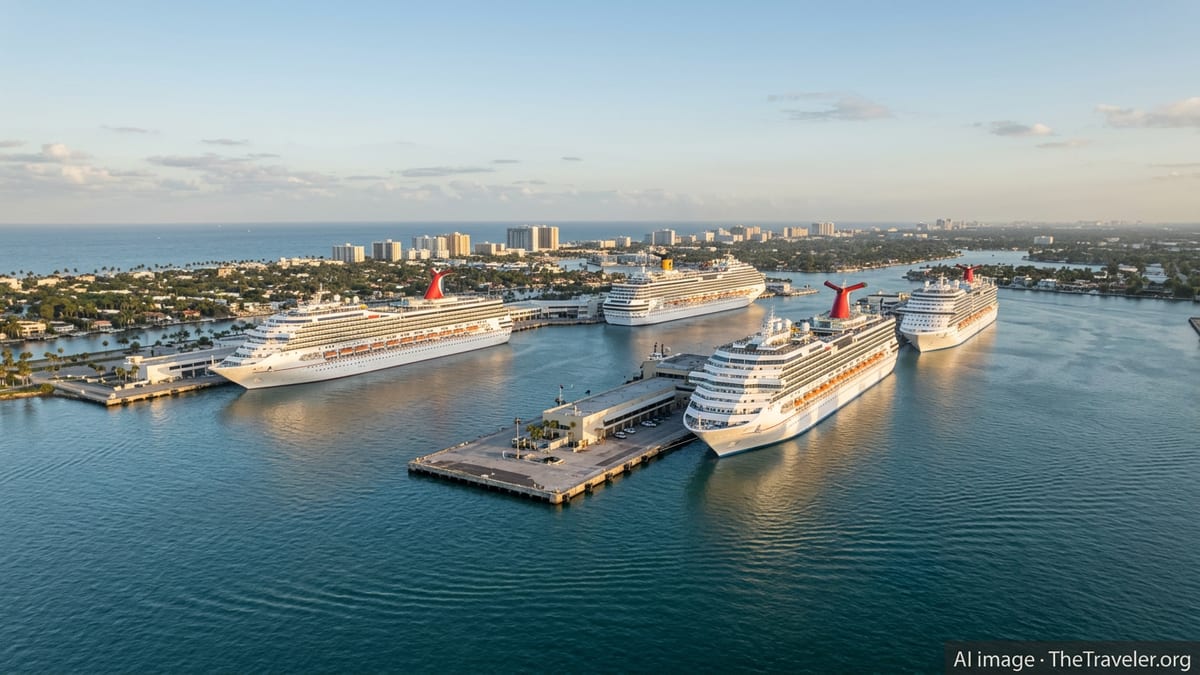
Drone strike raises new security questions for Egyptian gateway
According to publicly available reporting, the incident on July 29 involved a suspected drone that struck the Energos Winter, a U.S.-owned floating storage and regasification unit moored at Damietta, one of Egypt’s main liquefied natural gas outlets on the Mediterranean. The impact triggered a fire that spread to a second vessel, the Greek-owned LNG carrier GasLog Salem, before port emergency crews brought the blaze under control.
Open-source maritime tracking data and specialist security briefs describe both ships as part of the infrastructure that enables Egypt to import and re-export gas to European and regional markets. The vessels were reported to have been at or near the Damietta LNG terminal when the drone hit, temporarily halting ship movements and cargo operations at the facility.
Egypt’s government has since acknowledged that a drone attack was responsible for the fires and has stated that investigations are ongoing into the launch point and the platforms or networks used to guide the unmanned aircraft. No group has claimed responsibility, and publicly available information does not yet clarify whether the attack was linked to broader regional tensions that have spilled over into Red Sea and Eastern Mediterranean shipping lanes.
Security analysts note that the choice of target, a gas hub serving international markets, underscores the growing vulnerability of critical energy infrastructure that lies far from active front lines. The Damietta strike follows a pattern of long-range drone operations against maritime and port assets, raising concern that similar tactics could be used against other chokepoints connecting the Middle East and Europe.
Repairs at Damietta and efforts to restore normal port operations
In the days since the attack, technical teams at Damietta have focused on inspecting hull and topside damage, restoring pier equipment, and verifying that key safety systems remain functional. Initial assessments cited in industry-focused coverage indicate that both Energos Winter and GasLog Salem sustained localized structural and equipment damage but remained afloat and stable alongside the terminal.
Port authorities have prioritized clearing debris around the affected berths, checking mooring systems, and running additional tests on firefighting networks and gas detection systems. Reports indicate that some operations at the Damietta LNG terminal were temporarily suspended or scaled back while this work was underway, including the scheduling of new LNG cargoes and support vessel movements.
Egyptian officials have emphasized that no injuries were reported and that containment procedures activated at the time of the incident functioned as designed. Industry observers note that the rapid response helped prevent leaks or larger fires that might have forced a prolonged shutdown of the terminal, which plays a strategic role in Egypt’s ambition to serve as a regional gas hub.
As repairs progress, shipping agents and energy companies are closely monitoring berth availability and any new navigational advisories for the approaches to Damietta. The port’s ability to return quickly to stable operations is considered critical for maintaining confidence among charterers and insurers who assess risk premiums for vessels calling at Egyptian ports.
Backup gas vessel secured to support supply continuity
To limit disruption to gas flows, Prime Minister Mostafa Madbouly has highlighted the securing of a backup gas vessel to support Damietta’s regasification and storage capacity while detailed inspections continue on Energos Winter. According to published economic and energy coverage, the contingency vessel is intended to ensure that Egypt can continue to meet contractual export and domestic supply commitments.
The use of a backup floating unit reflects standard practice in LNG logistics, where FSRUs and storage vessels can be repositioned between terminals as demand and circumstances require. In this case, routing an additional unit toward Damietta provides redundancy for a port that, together with Egypt’s Idku facility, underpins much of the country’s gas export strategy.
Market analysts note that Egypt has sought to position itself as a reliable alternative and complement to other regional gas suppliers, particularly for European buyers diversifying sources. Any extended interruption at Damietta could complicate this positioning, making the timely deployment of backup capacity a key signal to trading partners that supply reliability remains a priority.
The presence of a standby vessel also offers operational flexibility as investigators evaluate the full extent of technical damage on the struck FSRU. Depending on the findings, Energos Winter may require yard time or phased repairs, during which the backup unit could take over a portion of its role in berthing, storage, or regasification.
Energy security concerns for travelers and maritime routes
For travelers and maritime passengers, the Damietta incident is a reminder that energy infrastructure and transport corridors can become focal points for regional tensions. While Egypt’s tourism centers in Cairo, Luxor, the Red Sea and the Mediterranean resort towns remain geographically distinct from the Damietta LNG terminal, the attack has prompted renewed attention to port security, flight paths, and shipping routes that intersect with energy hubs.
Travel industry observers report that airlines and cruise operators are reviewing existing risk assessments for Egyptian ports and nearby airspace, although no widespread schedule changes have been announced in publicly available timetables. Tour operators continue to stress that Egypt’s main visitor destinations operate under layered security arrangements, but they also acknowledge that travelers are increasingly attuned to developments affecting critical infrastructure.
On the maritime side, shipowners and charterers serving Egypt are taking note of both the drone strike and the government’s response. Insurers and classification societies typically factor such events into evolving risk models, which can influence routing decisions, security protocols on board ships, and the cost of war or terrorism-related cover for voyages in the Eastern Mediterranean.
Regional energy routes have already been tested by earlier drone and missile activity in the Red Sea, and the extension of similar threats into the Mediterranean could lead to more frequent diversions or temporary pauses in port calls, even if commercial passenger traffic remains largely unaffected. For now, publicly available schedules show Egypt’s major tourist gateways operating normally, but analysts caution that further incidents at or near energy terminals could have knock-on effects for maritime travel and logistics.
Egypt’s broader push to safeguard critical infrastructure
The drone attack at Damietta comes at a time when Egypt is seeking to attract long-term investment into its ports, logistics corridors and energy sector. Government statements and recent policy documents have placed strong emphasis on expanding LNG export capacity, modernizing port facilities and positioning the country as a connective hub between the Middle East, Africa and Europe.
In this context, the response to the Damietta incident is being watched for indications of how rapidly Egypt can adapt its security posture to emerging threats such as long-range drones and low-flying unmanned systems. Publicly available commentary from regional security specialists points to a likely acceleration of investments in radar coverage, early warning, and layered air defense around strategic ports.
Infrastructure resilience is also under fresh scrutiny. Energy and transport planners are expected to revisit contingency arrangements for rerouting gas volumes, reallocating floating units, and coordinating between Egypt’s Mediterranean and Red Sea terminals in the event of renewed disruption. The swift move to secure a backup vessel for Damietta is seen as an example of such contingency planning in action.
For international travelers, shipping interests and energy buyers, the coming weeks will offer clearer signals about how Egypt balances its ambitions as a gas and logistics hub with the practical demands of securing critical coastal infrastructure. The tracking of the drone’s origin, the pace of repairs at Damietta, and the deployment of backup capacity will all serve as key markers of that effort.