


More news on this day
A new disease outbreak linked to recent international travel has prompted updated public health advice in Australia, raising concern among holidaymakers and leading many to reassess near-term travel plans.
Get the latest news straight to your inbox!
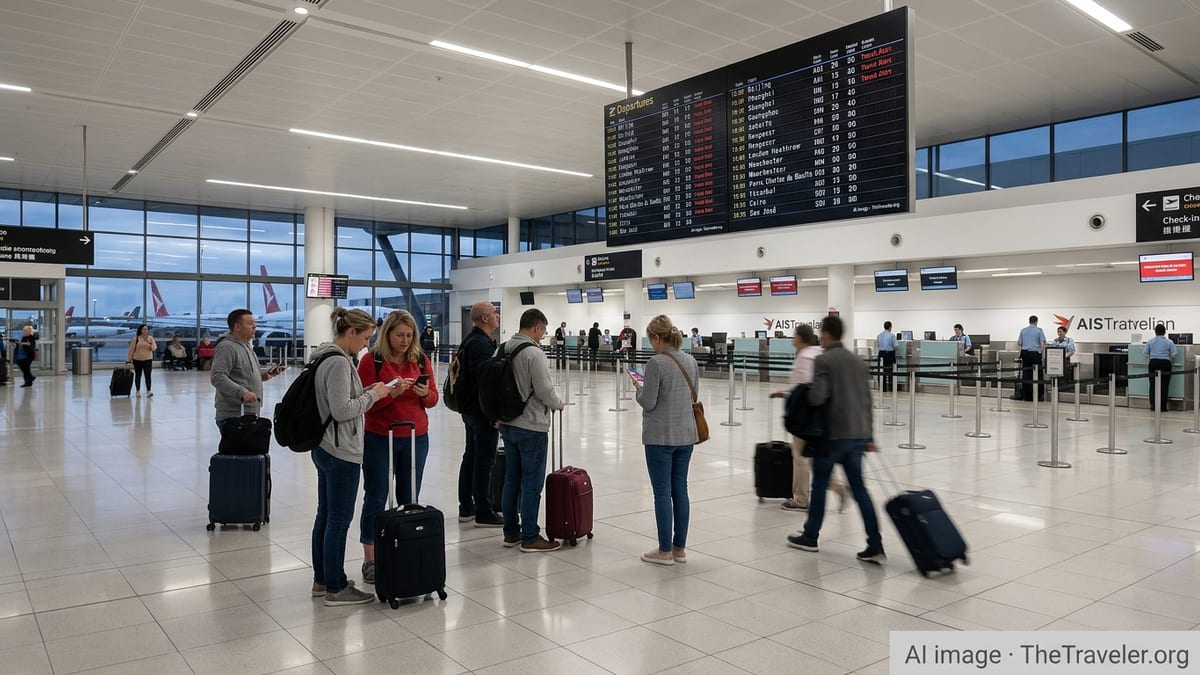
Fresh outbreak shifts Australia’s risk landscape
Recent public health updates in Australia describe an evolving picture of infectious disease risk, with multiple outbreaks intersecting with one of the country’s busiest travel periods. Reports indicate that measles activity has intensified across several states, while regional health summaries for the Pacific also highlight the recent arrival of highly pathogenic avian influenza H5N1 in Australian wildlife. Together, these developments are influencing travel advisories and risk messaging directed at both outbound and inbound travelers.
Regional surveillance bulletins for June and July 2026 describe ongoing measles transmission in New South Wales, Victoria and Queensland, much of it linked to imported infections followed by local spread among under-vaccinated groups. Publicly available data show dozens of laboratory-confirmed cases since the start of the year, with health alerts issued for inner-Sydney neighborhoods after an infectious traveler visited multiple venues. The alerts specifically emphasize vaccination status checks before international trips.
At the same time, national and state-level updates confirm the first detection of the globally circulating H5N1 bird flu strain in wild seabirds along the southern coast of Western Australia. While there have been no reported human cases associated with this event, public health agencies describe it as a significant biosecurity signal and a reminder of the region’s vulnerability to rapidly moving zoonotic diseases that can cross borders on migratory flyways and via human movement.
This combination of vaccine-preventable disease outbreaks and emerging animal health threats has not led to broad, legally binding travel bans, but it has resulted in stronger advisories and more prominent warnings in consumer-facing travel information. Travelers are being encouraged to pay closer attention to health sections of official advice, which are being updated more frequently as the northern hemisphere summer unfolds.
Measles surge drives stronger pre-trip vaccination advice
Australia’s red alert status for measles in national communicable disease reporting has become a focal point of the latest travel messaging. Public health summaries for June 2026 state that measles cases are concentrated among people who are unvaccinated or have uncertain vaccination histories, often after overseas trips to destinations with higher measles circulation. That pattern has raised concerns about travel-associated importations seeding local outbreaks.
Recent alerts from New South Wales identify specific exposure sites in central Sydney, Potts Point and Darlinghurst after a returned traveler, believed to have acquired the infection abroad, moved through popular hospitality and retail venues while infectious. The alerts advise anyone who visited these locations during the relevant time windows to monitor for symptoms and seek medical care if they develop fever and rash. Similar notifications have appeared in other states, underscoring the travel link in many of the new cases.
Travel health advice now places renewed emphasis on ensuring two documented doses of a measles-containing vaccine for anyone born after 1965, particularly before international travel. Publicly available guidance stresses that some destinations, including parts of Asia, the Pacific and Europe, are reporting higher measles activity this year, increasing the risk that Australian travelers will encounter the virus during holidays or business trips.
For tour operators and agents, the changing measles picture is prompting a review of pre-departure information, with more itineraries now including reminders about routine childhood vaccinations and booster checks. Some agencies are also updating their booking terms to highlight that clients remain responsible for ensuring their own vaccination status aligns with the latest health recommendations.
Bird flu detection heightens concern for wildlife and visitors
Alongside measles, the confirmed detection of highly pathogenic avian influenza H5N1 in wild seabirds in Western Australia has triggered a different type of warning, focused more on wildlife interactions and regional biosecurity. Laboratory findings in a brown skua and a southern giant petrel near Cape Le Grand National Park represent the first evidence that this global strain has reached Australian shores.
Scientific briefings describe the event as a serious conservation and agricultural concern rather than an immediate human health crisis. Publicly available information notes that, so far, there have been no detections in poultry flocks and no reports of mass bird die-offs elsewhere in the country. Experts cited in national reporting suggest that sustained transmission on the mainland may depend on whether the virus can jump from scavenging seabirds into freshwater ducks and other species more commonly found near human settlements.
For travelers, the new detection is influencing advice around visits to coastal national parks, seabird colonies and remote islands. Current guidance encourages visitors to avoid handling sick or dead birds, to stay on marked trails, and to follow any temporary access restrictions in conservation areas. Tourism operators specializing in wildlife outings are closely monitoring official updates, as any wider spread among seabirds could trigger tighter rules on landing sites or bird-watching tours.
While the overall risk of human infection remains described as low, the arrival of H5N1 in Australia is being framed as part of a broader global pattern in which rapidly evolving animal diseases can appear with little warning in previously unaffected regions. This context is feeding into more cautious language in travel advisories, particularly for travelers with underlying health conditions or those planning extended stays in remote environments.
International outbreaks reshape outbound travel calculations
The latest Australian travel guidance is not focused solely on outbreaks within the country. Global disease events, including the 2026 Andes hantavirus cluster linked to cruise travel in the Atlantic and a growing number of Ebola cases in parts of Africa, are also shaping how officials construct risk profiles for outbound Australian travelers.
Reports summarizing the cruise-related hantavirus incident describe a rare but severe respiratory illness associated with person-to-person transmission of Andes virus in a confined shipboard environment. Publicly released situation updates stress long incubation periods and the need for prolonged symptom monitoring among exposed passengers long after disembarkation. Travel health sections referencing this event now encourage prospective cruise passengers, especially those joining itineraries in South America or the South Atlantic, to review medical contingency plans and onboard health protocols before finalizing bookings.
Separately, global coverage of an ongoing Ebola outbreak has resulted in renewed screening and monitoring recommendations for travelers returning from affected countries. Updated guidance from international agencies advises self-monitoring for specific symptoms for several weeks after return and, in some jurisdictions, pre-arranged communication with local health departments if further travel is planned during that period. Australian advisories point travelers toward these international recommendations rather than imposing broad, nationality-based restrictions.
For Australian holidaymakers, this patchwork of international outbreaks means that destination choice now involves weighing disease activity alongside more traditional concerns such as cost, weather and security. Travel professionals report growing interest in flexible booking options, as travelers seek the ability to switch destinations should conditions change rapidly in the weeks before departure.
What travelers should consider before booking Australia trips
The evolving situation has practical implications for visitors planning to travel to or within Australia over the coming months. Health-focused travel advice encourages would-be visitors to check national and state-level updates shortly before departure, paying particular attention to measles alerts, mosquito-borne disease notices in northern regions, and any new information on avian influenza or other emerging threats.
Travelers are advised to review their vaccination records, including routine childhood immunizations and any recommended boosters. Publicly accessible guidance consistently stresses that measles, in particular, can spread quickly in airports, aircraft cabins and busy tourist districts, making proof of full vaccination a key preventive measure. Those with incomplete records are being urged to seek medical advice well in advance of departure, as some vaccines require multiple doses over several weeks.
Visitors planning wildlife or wilderness experiences in Australia are encouraged to adopt a more cautious approach, especially in areas where mosquito-borne viruses or bird flu have been detected. Recommended steps include using insect repellent and suitable clothing in tropical or subtropical regions, avoiding direct contact with wild animals, and following local advice on park access and biosecurity measures, such as footwear cleaning stations at trailheads.
Industry observers note that, despite the heightened warnings, Australia remains open for tourism and continues to see strong demand from key markets. The strengthening of health messaging is being framed not as a deterrent but as an effort to keep travel sustainable by reducing the risk of further outbreaks. For now, those willing to stay informed and flexible are still finding ample opportunity to enjoy Australian travel experiences while aligning their plans with the latest public health advice.