


More news on this day
Warnings of soaring airfares have dominated travel headlines this year, yet a wave of winter 2024–25 flight deals is quietly undercutting the narrative, offering sharply discounted trips to Europe, the Caribbean and domestic sun destinations for flexible travelers.
Get the latest news straight to your inbox!
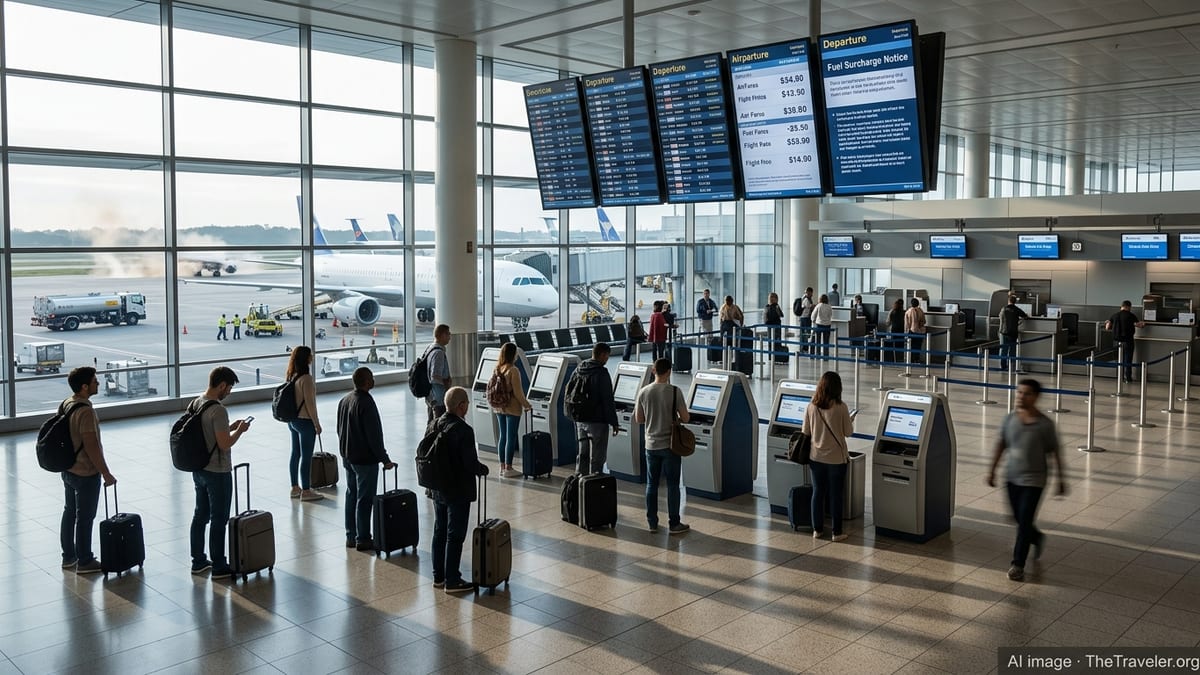
Data Shows Fares Rising, But Real Winter Prices Telling a Different Story
Public discussion around airfare has focused on renewed price pressures, with consumer price data showing airline fares climbing again in 2026 after a sharp post pandemic rebound. Index figures compiled from government statistics indicate that the airline fare component of the consumer price index has moved higher through 2025 and into 2026, reflecting both demand recovery and higher operating costs such as fuel.
Yet broader analyses of ticket prices over several years suggest a more complicated picture. Research based on U.S. Bureau of Transportation Statistics shows that when adjusted for inflation, average domestic airfares remain below their pre pandemic peaks, even after the 2022 surge. Separate analyses of average round trip prices also point to a pattern in which fares spiked in mid 2022, then retreated before edging higher again, leaving real prices still lower than many travelers assume.
Seasonal patterns are adding another twist. A 2026 study of airfare seasonality found that, on average, January and December are among the cheapest months of the year for U.S. consumers to fly relative to annual price levels. That typical winter softness in demand, combined with airlines maintaining relatively high capacity on many routes, is now intersecting with a cooling in discretionary travel spending, producing significant pockets of value that contrast with headline narratives of runaway airfare inflation.
Industry and card issuer reports tracking business and leisure travel bookings back up this divergence. Analyses released in 2024 and 2025 describe domestic prices “normalizing” and some travel related categories, including airfares, “coming down” from their post lockdown highs, even as surveys show many travelers still perceive airfare as a major constraint on their plans.
Transatlantic Routes Lead a Wave of Off Season Discounts
One of the clearest examples of this disconnect is on flights between North America and Europe. Travel deal trackers and fare monitoring services report that “good deal” transatlantic fares for late fall and winter travel have fallen compared with a year earlier. One widely cited data set from a fare tracking company shows average “good deal” prices to Europe in November around the high 500 dollar range, down from the low 600s a year before and at their lowest level for that month in several years.
Some winter 2024–25 offers are even more striking. Budget carriers such as Norse Atlantic Airways and Iceland based Play have promoted limited time sales with one way fares from the United States to European gateways for under 100 dollars excluding taxes and fees, targeting travel in the shoulder and winter seasons from September through March. Coverage of these promotions highlights examples such as sub 110 dollar one way seats on select Norse Atlantic routes and sub 80 dollar one way fares to Iceland on Play, subject to tight booking windows and specific travel dates.
Membership based fare alert services also describe a broad softening in Europe prices outside peak holiday weeks. Going and similar platforms note that deals for travel from October through March are “moving in the right direction,” with many round trips from major U.S. hubs to popular European cities returning to or undercutting pre spike prices, particularly for departures in January and early February.
These offers come even as airlines have announced selective winter schedule cuts and capacity adjustments on some transatlantic routes. Analysts suggest that where carriers have maintained or grown capacity but demand has cooled from the intense rebound of 2022 and 2023, aggressive pricing on remaining seats is proving more effective than earlier forecasts of uniformly higher winter fares had implied.
Warm Weather Escapes See Competitive Fares Despite Holiday Spikes
Similar patterns are visible on routes to classic winter sun destinations. Fare deal services report regular sales on flights from the United States to the Caribbean for winter travel, with economy round trips to islands such as Aruba and St. Maarten periodically dropping hundreds of dollars below typical high season levels when purchased during short promotional windows.
Major U.S. airlines are also using targeted winter sales to stimulate demand outside peak holiday dates. JetBlue, for example, has promoted “Big Winter Sale” campaigns with one way fares within the United States and to the Caribbean, Central America and parts of South America starting around 49 dollars on select routes. Published details for one recent iteration of the sale specified blackout periods around late November and the Christmas and New Year holidays, signaling that the most aggressive pricing is concentrated in early December and mid January through early March.
Travel forums and consumer discussions underline this split in the market. While some travelers report sharp price jumps on specific nonstop routes during school holidays or around long weekends, others describe finding winter bargains to beach destinations by adjusting by a few days or connecting through alternative hubs. Reports of budget friendly itineraries into secondary Caribbean airports, often via low cost carriers or combination tickets, suggest that competition remains strong in many leisure markets even as some flagship nonstops command winter premiums.
For travelers willing to avoid the busiest holiday windows and accept midweek or shoulder date departures, publicly available pricing data supports the idea that winter remains one of the most cost effective times to reach warm weather resorts, especially when compared with peak spring break or summer schedules.
Why Forecasts of Soaring Fares Missed the Emerging Reality
The warnings about soaring airfares heading into late 2024 and 2025 were not unfounded. Analysts pointed to several factors that tend to push prices higher, including elevated jet fuel costs, higher labor expenses after new pilot and crew contracts, and lingering aircraft delivery delays that limit capacity growth. Industry economic reports from 2024 documented the close relationship between fuel prices, inflation and average airfares across major regions.
However, a combination of moderating demand and competitive dynamics has pulled in the opposite direction. Consumer spending research from major U.S. banks shows that discretionary travel outlays began to flatten in 2025 after two exceptionally strong post lockdown years. Surveys tracking American travel sentiment around the same time found a growing share of respondents citing airfare prices as a major factor in cutting back or reshaping their plans.
As some travelers delay big international trips or trade down to closer destinations, airlines are facing the challenge of filling winter seats without the tailwind of post pandemic “revenge travel.” That is creating conditions for flash sales and quietly discounted itineraries, particularly in cabin classes and markets where carriers still need to stimulate demand. At the same time, the gradual normalization of airline networks, as more aircraft return to service and new deliveries arrive, has reduced some of the capacity constraints that pushed prices to extremes in 2022.
The result is a patchwork: certain routes and dates, especially nonstops over peak holidays or into constrained airports, remain expensive, while others are effectively on sale. The disconnect between headline inflation figures and specific deal opportunities helps explain why traveler perceptions of “soaring fares” can coexist with hard evidence of unusually low prices on select winter routes.
How Travelers Can Navigate a Market of High Headlines and Hidden Deals
For travelers planning winter 2024–25 trips, the emerging pattern suggests that strategies focused on timing and flexibility are more valuable than ever. Historical pricing analyses show that booking international flights several months in advance can still be effective, but the unusually soft demand environment means that limited time promotions can also appear closer to departure, particularly for January and early February travel.
Fare alert tools and subscription deal services have become important for identifying these short lived offers. Publicly available information from such services shows that some of the steepest winter discounts in 2024 were available only for a few days before inventory sold out or prices snapped back. Travelers who set alerts for specific routes or broader regions, and who are able to shift departure by a day or two, are better positioned to capture those brief windows.
Data on seasonal airfare patterns also suggests that avoiding the most congested travel dates is crucial. Winter holiday peaks around late December and early January continue to show elevated fares, while departures in the second half of January and the first half of February tend to be markedly cheaper on many routes. Flying on Tuesdays or Wednesdays, accepting one stop itineraries instead of nonstops, and using alternative airports in multi airport cities can further widen the gap between headline prices and what individual travelers actually pay.
The current winter travel landscape therefore looks less like a uniform era of soaring fares and more like a market of extremes. While some high profile routes remain costly, data driven shoppers are finding that, beneath the headlines, winter 2024–25 is offering some of the most attractive international and sun seeking deals seen in several years.