


More news on this day
A Biman Bangladesh Airlines service operating as flight BG136 from Jeddah to Chattogram was diverted to Muscat after a middle-aged passenger became critically ill and was later declared dead, leaving the aircraft temporarily stranded at Muscat International Airport and disrupting travel plans for more than 200 people on board.
Get the latest news straight to your inbox!
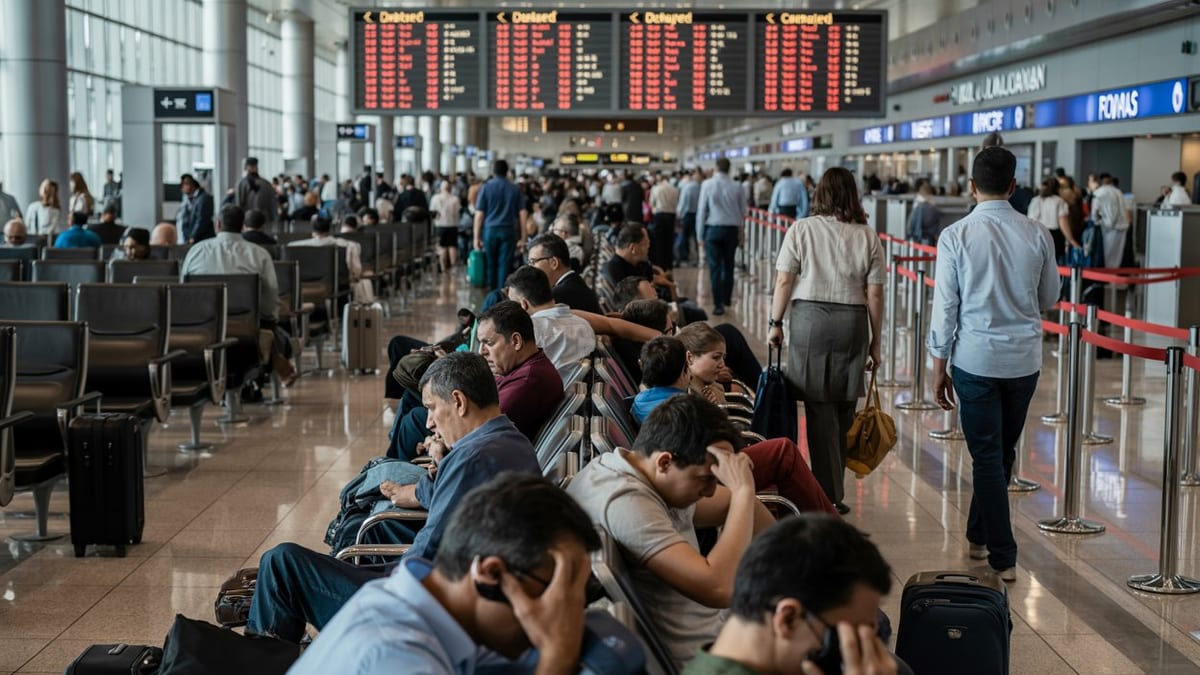
Medical Emergency Forces Diversion to Muscat
Publicly available information from Bangladeshi and regional outlets indicates that flight BG136 departed Jeddah on the night of 26 August 2026 local time, bound for Chattogram with a scheduled continuation to Dhaka. Shortly after takeoff, a 55 year old Bangladeshi woman from Chattogram reportedly fell seriously ill in the cabin, prompting the crew to seek the nearest suitable airport.
Reports indicate that the aircraft diverted to Muscat International Airport in Oman, where it carried out an unscheduled landing so that the passenger could receive medical attention. Coverage from multiple news organizations notes that medical personnel boarded the aircraft or examined the traveler after landing and subsequently confirmed that she had died, though the exact cause of death has not yet been made public.
The woman has been identified in local media under slightly varying spellings of her name, including Sanowara, Sanoara and Chhanowara Begum, all describing a 55 year old resident of Chattogram. Outlets in Bangladesh report that airport and airline channels have begun the process of returning her body to Bangladesh with support from the Bangladeshi mission in Oman.
Aircraft Left on the Ground as Formalities Proceed
While some early reports focused on the medical diversion itself, subsequent coverage highlighted that the Boeing 777 operating BG136 remained grounded at Muscat for an extended period. Regional and Bangladeshi media describe the jet as stranded on the apron while officials in Oman completed legal and administrative steps related to the passenger’s death on board.
Accounts from Bangla language outlets state that, after the passenger was pronounced dead, the body initially remained inside the aircraft because local procedures required authorization from the Royal Oman Police before it could be removed. Until that permission and related documentation were in place, the flight’s onward journey to Chattogram was described as uncertain, leaving other travelers in limbo at Muscat.
Subsequent updates from Dhaka based publications note that once the required clearances were granted, the body was finally taken off the aircraft and arrangements were made for repatriation. Only after these steps and other airport formalities were completed was BG136 cleared to depart Muscat and continue on its route toward Chattogram.
Timeline and Impact on Passengers
Flight tracking data for BG136 and local news coverage together build a broad picture of the disruption. The service left Jeddah late on Tuesday night, 25 August, bound for Chattogram, but diverted to Muscat in the early hours of Wednesday following the in flight emergency. Reports from Muscat and Chattogram describe several hours of uncertainty as passengers waited on board and at the terminal for updates.
Bangladesh based outlets later reported that, after the removal of the deceased passenger’s body and completion of required paperwork, BG136 finally departed Muscat and headed for Shah Amanat International Airport in Chattogram. Arrival times cited in different publications vary slightly, but indicate a landing on Wednesday afternoon local time, several hours behind the initial schedule.
The extended stay in Muscat meant inconvenience and emotional strain for travelers and crew alike. Passengers not only experienced a lengthy delay but also witnessed the immediate aftermath of a death on board, a situation that can be distressing in the confined environment of a wide body jet. For the airline, the unscheduled stopover disrupted aircraft rotation and subsequent flight planning on an already busy route linking Saudi Arabia and Bangladesh.
In Flight Medical Events Under Renewed Scrutiny
The incident has drawn renewed attention to how carriers, airports and regulators handle medical emergencies and fatalities in the air. Industry observers note that diversions such as the one carried out by BG136 depend on factors such as the passenger’s condition, the aircraft’s position and the availability of suitable airports and medical facilities along the route.
Publicly available information on civil aviation procedures in the region suggests that when a death occurs on board, local authorities at the diversion airport typically oversee the handling of the body, initial documentation and any post mortem requirements, while consular officials help coordinate repatriation. These processes can keep aircraft on the ground longer than standard technical or weather related delays, particularly when clearances from multiple agencies are needed.
Reports relating to BG136 indicate that exactly this combination of procedural requirements and cross border coordination contributed to the aircraft’s prolonged stay in Muscat. While the aircraft eventually continued to Chattogram and was expected to return to Dhaka afterward, the event has underscored the operational complexity that a sudden medical emergency can introduce into an otherwise routine long haul service.
Key Route for Bangladeshi Migrant Workers
The Jeddah to Chattogram corridor is a significant link for Bangladeshi migrant workers and expatriates traveling between Saudi Arabia and the port city of Chattogram, which serves as an important gateway for the country’s southeast. Flight BG136 is one of Biman Bangladesh Airlines’ regular services on this route, connecting passengers onward to Dhaka and other parts of the country.
While in flight fatalities remain rare compared with the overall volume of commercial air travel, aviation analysts point out that routes heavily used by migrant workers can disproportionately encounter medical incidents tied to pre existing conditions, long duty and travel days, or limited access to healthcare before departure. The death on BG136 has therefore resonated widely in Bangladeshi media, where coverage has focused both on the individual tragedy and on the broader challenges faced by overseas workers and their families.
As formal inquiries and internal reviews proceed within the relevant organizations, public reporting so far emphasizes that the primary priority remains the dignified handling of the deceased passenger’s remains and support for her relatives in Chattogram. Further operational or policy changes, if any, are likely to emerge only after those immediate responsibilities are fulfilled.
The Daily Star report on the BG136 diversion and passenger death
bdnews24 coverage of the in flight medical emergency
The Daily Observer update on the Muscat stranded flight
The Business Standard Bengali language report on the incident