


More news on this day
Canada has updated its travel advice for Saudi Arabia, urging its citizens to avoid King Khalid International Airport in Riyadh after military activity and recent attacks disrupted flights and raised new concerns over aviation safety in the Saudi capital.
Get the latest news straight to your inbox!
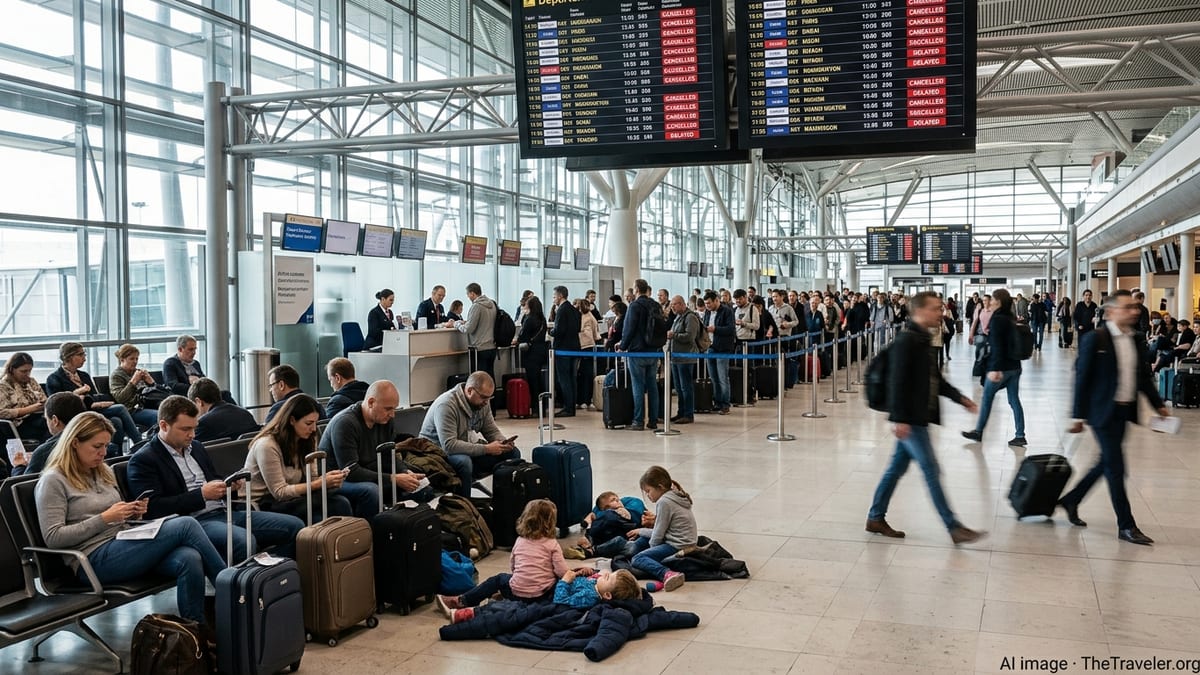
Heightened warning focuses on Riyadh’s King Khalid airport
According to publicly available information from Global Affairs Canada, the risk level for Saudi Arabia was revised on October 10, 2026, to advise against non-essential travel to the kingdom, with a specific instruction to avoid all travel to King Khalid International Airport in Riyadh because of ongoing military activity affecting operations.
Canadian advisories state that military activity in and around the Riyadh air hub has led to disruptions in airport services and commercial flight schedules. The notice highlights that further incidents could occur with little warning and that flight departures, arrivals and transits may be delayed, diverted or cancelled at short notice.
The Canadian warning was issued shortly after similar alerts from several other embassies in Riyadh. Reports from international media indicate that missions representing the United States, the United Kingdom, Ireland, Australia and others have all urged their nationals to avoid the airport while the security situation remains fluid.
Travel advisories underline that many insurance policies may not provide coverage when a government recommends avoiding non-essential travel or avoiding all travel to a specific location, meaning that Canadians who choose to use Riyadh’s main airport despite the warning could face higher personal and financial risk.
Recent attack leaves casualties and disrupts air traffic
The latest Canadian advisory follows a serious attack on King Khalid International Airport on October 10, 2026, that left at least a dozen people dead and hundreds injured, according to widely cited international coverage. Reports indicate that the incident involved projectiles targeting the airport area, with debris causing damage to terminal infrastructure and aircraft on the ground.
Coverage from global news outlets describes scenes of significant disruption, with flights suspended in and out of Riyadh as emergency services responded and authorities assessed damage to runways and facilities. Operations have resumed only partially, and further interruptions remain possible as security conditions evolve.
Regional reporting links the attack to the wider conflict involving Iran and the Yemen-based Houthi movement. Over recent months, airspace in parts of the Gulf has been subject to periodic closures and rerouting of flights following missile and drone launches aimed at infrastructure, airports and energy facilities.
Saudi officials have previously acknowledged that air defenses intercept some incoming projectiles, but debris can still fall over populated or strategic areas, including transport hubs. Open-source reporting notes that this secondary risk from falling debris is one of the concerns now reflected in foreign travel advisories for the kingdom.
Canada’s wider advice on travel to Saudi Arabia
Beyond the specific warning about Riyadh’s main airport, Canada’s official advice now classifies Saudi Arabia as a destination where non-essential travel should be avoided. The advisory cites the volatile regional security environment, the risk of missile and drone attacks, and the possibility of sudden airspace restrictions that can strand travelers or force lengthy rerouting.
Separate guidance in French and English on the Canadian government’s travel advice portal stresses that Canadians in Saudi Arabia should prepare contingency plans that do not rely on government-assisted departure. This includes ensuring access to funds, travel documents and multiple options for leaving the country if commercial routes are disrupted for an extended period.
The advice also draws attention to southern border provinces such as Asir, Jazan and Najran, where earlier notices already recommended avoiding all travel because of a higher risk of cross-border attacks and military activity. The latest changes bring the capital region more squarely into focus due to the targeting of Riyadh’s primary international gateway.
Canada’s country page for Saudi Arabia further points travelers to guidance on regional tensions in the broader Middle East, noting that developments elsewhere in the region can quickly influence security conditions and travel options in and out of the kingdom.
Impact on international travelers and airlines
For travelers, the immediate practical impact of the warning is the strong recommendation to avoid itineraries that involve King Khalid International Airport, whether as a final destination, departure point or transit hub. Airlines have already cancelled or diverted multiple flights to and from Riyadh following the latest attack, according to international news reports.
Industry coverage indicates that some carriers are temporarily rerouting passengers through alternative hubs such as Jeddah or Dammam, or via neighboring Gulf states, while they assess the security and operational status of Riyadh’s main airport. However, schedules remain subject to rapid change, and seat availability on alternative routes can be limited during periods of disruption.
Travel experts quoted in open media analyses note that when a major capital airport faces repeated security incidents, airlines typically conduct their own risk assessments, which may result in reduced frequencies or temporary suspensions even if the facility remains technically open. This can have a knock-on effect on connecting traffic, business travel and tourism flows into the country.
For Canadian travelers, the government’s advisory serves both as a safety warning and a signal to check booking conditions very carefully, particularly regarding refunds, rebooking options and insurance coverage related to security incidents and official travel notices.
What Canadian travelers are urged to do now
Current guidance from public Canadian sources encourages citizens already in Riyadh to avoid King Khalid International Airport and to monitor official travel advice channels and reputable news outlets closely for updates on the security situation and flight operations. Those with imminent departures are advised to contact airlines or travel providers to confirm whether flights are operating as scheduled and to discuss alternatives if necessary.
Canadians considering trips to Saudi Arabia are advised to reassess the necessity of their travel in light of the advisory to avoid non-essential visits and the explicit warning against travel to the Riyadh airport. For business travelers and expatriate workers who may need to remain in the country, official information recommends registering with consular services where available so that they can receive security updates.
Guidance from Canadian government resources on travel to conflict-affected areas also emphasizes the importance of having an exit plan that takes into account potential airport closures and airspace restrictions. This can include exploring overland routes where viable and safe, staying informed about alternative airports, and ensuring that travel documents and essential supplies are ready if circumstances deteriorate.
As the situation around Riyadh’s main airport evolves in the coming days, public information from governments and airlines is expected to play a central role in shaping travel decisions for Canadians and other foreign nationals with plans involving Saudi Arabia.