


More news on this day
New 2026 booking patterns from Pavlus Travel & Cruise highlight a luxury market stretching from the palm-lined Promenade des Anglais in Nice to the ice-fringed coasts of Antarctica, underscoring how high-end travelers are blending classic Mediterranean glamour with once-remote polar adventures.
Get the latest news straight to your inbox!
Luxury Demand Holds Firm Despite Global Uncertainty
Publicly available information from Pavlus Travel & Cruise indicates that demand for luxury product across its portfolio remains one of the agency’s strongest trends heading into 2026, even as economic and geopolitical uncertainties weigh on some segments of the broader travel industry. The company’s advisors are reporting resilient interest in premium cruise cabins, longer itineraries and bundled land stays, signaling that high-spend travelers are still prepared to commit early for peak-season departures.
Industry reports tracking global luxury tourism show similar momentum. Analyses of France’s high-end travel market project it could reach tens of billions of dollars in value by 2030, driven by a preference for exclusive experiences, personalized service and marquee destinations such as Paris and the French Riviera. At the same time, specialist expedition operators and cruise lines are expanding polar capacity, betting that affluent travelers will continue to pay a premium for remote, small-ship journeys well into the 2025 to 2027 seasons.
Advisors and market researchers note that the strongest growth is occurring at the very top end of the spectrum, where clients are less sensitive to price and more focused on time, rarity and comfort. This is reshaping booking dynamics, with longer lead times for prime suites, higher uptake of pre- and post-cruise hotel stays, and increased interest in bespoke extensions that turn a single trip into an extended, multi-stop escape.
Nice Emerges as a Flagship Riviera Gateway
Within France, Nice is emerging as one of the most sought-after luxury bases for 2026, reflecting a broader surge in high-end travel along the Côte d’Azur. Data published by tourism consultancies and travel platforms for the 2024 and 2025 seasons point to strong year-on-year gains in upscale hotel revenue on the French Riviera, with Nice frequently cited as a top-requested destination across the Mediterranean. Rankings from rental and booking platforms for 2025 placed the city at or near the top of demand tables for both the Riviera and France overall.
Travel coverage for summer 2026 highlights a wave of new and upgraded product in and around Nice, including refreshed seafront hotels, expanded villa inventory and improved aviation access. A recently launched nonstop route from Boston to Nice, for example, is expected to add further appeal for North American clients seeking a direct gateway to the Riviera’s beaches, cultural institutions and coastal villages. Luxury-focused observers describe a market where five-star hotels, serviced apartments and yacht charters increasingly sit side by side, offering a spectrum of premium options within a compact urban footprint.
Pavlus Travel’s own booking patterns mirror that trend, with Nice featuring as a key embarkation or pre-stay city for Mediterranean cruises and escorted tours. Advisors report that clients are more frequently requesting multi-night stays before boarding a ship, using the city as a staging point to adjust to time zones, explore the old town and nearby hilltop villages, and sample the region’s restaurant scene before moving on to other ports across the western Mediterranean.
From Warm Seas to Frozen Frontiers: Antarctica’s Pull
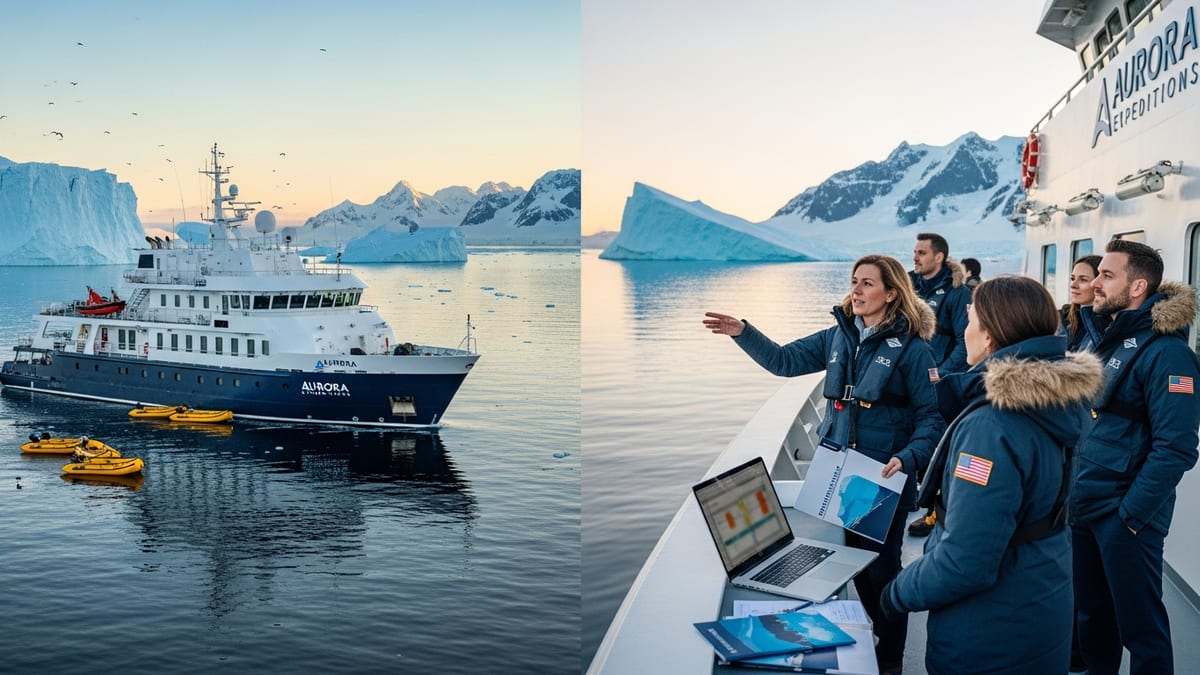
At the opposite climatic extreme from Nice’s pebble beaches, Antarctica has rapidly become one of the most coveted destinations in the Pavlus Travel & Cruise luxury portfolio. Industry reports on 2025 and 2026 expedition seasons show Antarctica accounting for a majority share of polar bookings, with some analyses placing its portion of polar expedition demand at well over half of total volume. Capacity increases from established operators, new purpose-built ships and expanded activity programs are all aimed squarely at a wealthy clientele.
Published coverage on the polar market notes that many Antarctic voyages now command price tags ranging from the low five figures per person for classic cruise itineraries to well above that level for fly-in lodge stays and private jet programs. Travelers are drawn by what is frequently marketed as a once-in-a-lifetime experience: iceberg fields, penguin colonies, scientific outposts and the rare opportunity to set foot on the planet’s least-visited continent. Activities such as kayaking, camping on the ice, citizen science programs and small-group shore excursions are becoming standard inclusions on higher-end departures.
For 2026 specifically, trend pieces from cruise and travel publications describe strong forward demand for extended expedition voyages that pair Antarctica with the Falkland Islands, South Georgia or even remote sub-Antarctic archipelagos. Advisors contributing to these reports point to a clear shift toward longer sailings and more immersive itineraries, a pattern that aligns with what Pavlus Travel & Cruise planners are seeing among their own luxury clients.
Longer Itineraries and Multi-Stop Journeys Redefine Bookings
The changing mix of destinations from Nice to Antarctica is also transforming how and when affluent travelers book. Information released by Pavlus Travel & Cruise and other advisory networks suggests that clients are increasingly willing to lock in premium cabins and suites as much as 18 to 24 months in advance for marquee sailings, particularly during the narrow November to March Antarctic window. Expedition ships with fewer berths and specialized hardware, such as ice-strengthened hulls and advanced stabilization systems, tend to sell out first at the highest categories.
Another clear shift for 2026 is the rise in back-to-back and back-to-back-to-back itineraries. Instead of a single seven-night cruise, luxury guests are stringing together multiple voyages or combining a cruise with an extended land program, effectively transforming a traditional holiday into a month-long journey. Advisors report that Mediterranean sailings from or near Nice are sometimes being paired with northern or polar itineraries in the same year, as travelers try to balance a relaxed, warm-water experience with a more adventurous, expedition-style trip.
Multi-generational and celebratory travel are reinforcing these trends. Families marking milestones or delayed celebrations after earlier travel disruptions are opting for products that offer both privacy and shared experiences, such as multi-bedroom suites, adjoining balcony cabins and chartered small ships. In this context, Nice’s combination of urban amenities and nearby coastal towns, and Antarctica’s high-impact, small-group excursions, appeal to different members of the traveling party while remaining part of a single, coordinated annual travel plan.
Sustainability, Seasonality and the Future of High-End Travel
As 2026 bookings accelerate, sustainability considerations are beginning to influence where and how luxury travelers choose to explore both the Riviera and the polar regions. French tourism authorities and local destination organizations have been promoting eco-luxury initiatives across the Riviera, with properties near Nice investing in energy-efficient upgrades and certifications, and tour operators marketing lower-impact activities such as guided coastal hikes and cultural tours. Public policy documents and regional strategies emphasize the need to balance high-spend tourism with protection of fragile coastal and marine environments.
In Antarctica, environmental concerns are even more pronounced. Reports from environmental organizations and polar research bodies highlight the rapid growth of tourist numbers, with tens of thousands of visitors a season now setting foot on the continent. Industry guidelines developed through international forums aim to limit shore landings, manage wildlife disturbance and control waste, but observers note that continued expansion of luxury offerings, from helicopter-supported ski touring to ice runway access, raises complex questions about the long-term sustainability of ultra-remote tourism.
For advisors such as those at Pavlus Travel & Cruise, these parallel developments mean that conversations with luxury clients increasingly include discussions of timing, ship selection and operator credentials. Travelers who spend a week in Nice at the height of the Riviera summer, then board an expedition ship for Antarctica later in the year, are being encouraged to consider shoulder-season travel, lower-impact vessels and operators with clear environmental commitments. Taken together, the latest 2026 booking data suggest that the future of luxury travel lies as much in thoughtful destination stewardship as in the allure of sailing from the sunlit shores of southern France to the frozen wilderness at the bottom of the world.