


More news on this day
American Airlines is preparing a sweeping upgrade to its onboard connectivity, selecting SpaceX’s Starlink satellite network to deliver high-speed Wi-Fi on more than 500 narrowbody aircraft beginning in early 2027, according to recent industry reports and company statements summarized in published coverage.
Get the latest news straight to your inbox!
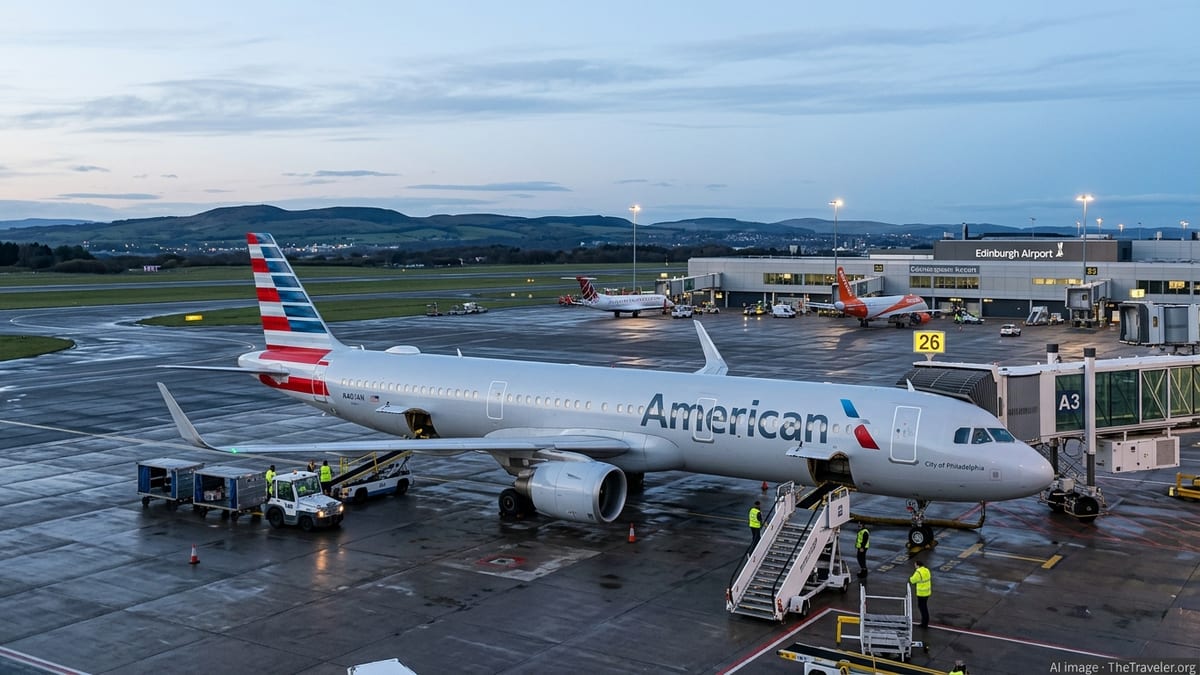
Major narrowbody fleet overhaul planned from 2027
Publicly available information indicates that American intends to retrofit over 500 Airbus narrowbody jets with Starlink terminals, focusing on aircraft that operate domestic and shorter international routes across North America and the Caribbean. The rollout is scheduled to begin in the first quarter of 2027, with installation continuing into the following years as aircraft cycle through maintenance.
Reports indicate that the agreement with SpaceX will see Starlink hardware added primarily to the carrier’s Airbus A319, A320 and A321 family, while older airframes are expected to be excluded from the program. Industry analysis suggests this reflects a strategy of concentrating investment on aircraft with longer remaining service lives, where the cost of the satellite equipment can be spread over more years of operation.
Coverage in aviation outlets describes the Starlink project as one of the largest single connectivity upgrades currently planned by a U.S. carrier, coming as American marks more than a century of passenger service. The decision aligns with a broader wave of capital spending on cabins and onboard technology, including refreshed interiors and updated entertainment options on key fleets.
Installation across a fleet of this size is typically measured in years, not months. Based on historical upgrade programs at major airlines, observers expect American to add Starlink hardware to a handful of aircraft at first, then ramp to dozens per month as the program matures and supply chains stabilize.
From paid access to free, high-speed connections
American already operates one of the largest connected fleets in the world, with more than 900 mainline aircraft equipped with high-speed satellite Wi-Fi services provided by existing partners such as Viasat and Intelsat. Published reports show that the airline has been gradually shifting from pay-per-session models toward more accessible pricing, including complimentary access on many flights for members of its AAdvantage loyalty program.
Industry coverage suggests that Starlink will fit into this evolving strategy by supporting faster speeds and lower latency, which are essential for streaming, video calls and cloud-based work tools. Some analyses indicate that American is likely to position Starlink as a premium connectivity layer on core narrowbody routes, while continuing to rely on current satellite providers on widebody aircraft and certain legacy jets.
Free or low-cost Wi-Fi has become a key battleground for major U.S. airlines, with several large carriers announcing plans to remove paywalls on most domestic flights. Observers note that American’s choice of Starlink is consistent with its recent move toward complimentary access, particularly on flights within the Americas where high passenger volumes and competitive pressure are strongest.
While specific pricing for Starlink-powered sessions on American has not been detailed in public materials, analysts anticipate that passengers will see more routes offering free or bundled Wi-Fi as the rollout progresses and as loyalty programs are increasingly tied to connectivity benefits.
Starlink’s growing footprint in commercial aviation
Starlink, operated by SpaceX, has rapidly expanded its aviation customer base as airlines seek low-latency broadband that performs more like a home connection than legacy satellite systems. Public information shows that the network uses a large constellation of low Earth orbit satellites, which significantly reduces the delay often associated with traditional geostationary systems.
In the past two years, several major airlines in North America and Europe have reached agreements to adopt Starlink for at least part of their fleets. Carriers ranging from full-service network airlines to low-cost operators have announced plans for installation, positioning the service as a way for passengers to stream video, game online and join video meetings while flying.
Aviation analysts point out that American’s selection of Starlink adds considerable scale to the technology’s commercial footprint, given the airline’s position as one of the world’s largest by fleet size and daily departures. The move also underscores how quickly inflight connectivity expectations are shifting, with passengers now comparing their onboard experience to fiber or 5G at home rather than to older air-to-ground links.
Industry commentary notes that the entry of new low Earth orbit providers, including Amazon’s emerging constellation, is intensifying competition for airline contracts. American’s decision is being closely watched as a bellwether for how large global carriers might balance multiple connectivity partners across different aircraft types and regions.
What travelers can expect on Starlink-equipped American flights
According to technical information and early user experiences shared from other Starlink-equipped airlines, passengers on American’s upgraded aircraft can expect faster page loads, smoother video streaming and more stable performance during periods of congestion. The system is designed to support high-bandwidth activities for many users simultaneously, which is critical on busy hub-and-spoke routes.
Reports from test operations on other carriers indicate that Starlink connections often feel comparable to ground-based broadband for everyday tasks, with latency low enough to handle real-time messaging and video conferencing. For travelers, that could translate into more reliable access to collaboration platforms, cloud storage and entertainment apps throughout the flight, including during peak business travel times.
American is expected to integrate Starlink with its existing onboard portals, where customers typically log in using their frequent flyer details or booking information. Observers anticipate that the airline will highlight connectivity options more prominently in marketing and at the time of booking, using Wi-Fi reliability as a differentiator on competitive domestic routes.
Service quality will still depend on network load, aircraft routing and atmospheric conditions, but the adoption of low Earth orbit satellites is widely seen as a step change in what airlines can realistically deliver to passengers at scale. For many travelers, the more meaningful upgrade may not be raw speed but the consistency of being able to stay online from gate to gate.
Competitive pressure reshapes the inflight Wi-Fi market
American’s agreement with Starlink adds momentum to a broader reshaping of the inflight connectivity market, where legacy providers now face competition from new satellite constellations and changing passenger expectations. Industry observers note that airlines are increasingly seeking multi-partner strategies, diversifying away from single-source contracts in order to improve resilience and negotiate better performance and pricing.
As more carriers in the United States and abroad move toward complimentary connectivity, Wi-Fi revenues are expected to shift from direct passenger fees toward sponsorships, advertising and loyalty-driven models. Publicly available analysis suggests that this dynamic may favor providers able to deliver high capacity at lower per-megabit costs, especially on large single-aisle fleets that fly multiple short segments each day.
For American, the Starlink rollout is likely to become a central talking point in its competitive positioning against other large U.S. airlines that are also upgrading their networks. Travel industry commentators anticipate that travelers will begin factoring onboard connectivity quality more heavily into carrier choice, especially on routes frequented by remote workers and business travelers who depend on reliable internet access.
The decision to install Starlink on more than 500 aircraft signals that inflight Wi-Fi has shifted from an optional amenity to a core element of the product for one of the world’s largest airlines. As installations begin in 2027, performance on American’s Starlink-equipped jets will be closely watched by both passengers and competitors across the global aviation market.