


More news on this day
A person was injured in a collision involving a BNSF freight train along the railroad corridor in Fort Collins, Colorado, according to early local reports and public discussion on Monday.
Get the latest news straight to your inbox!
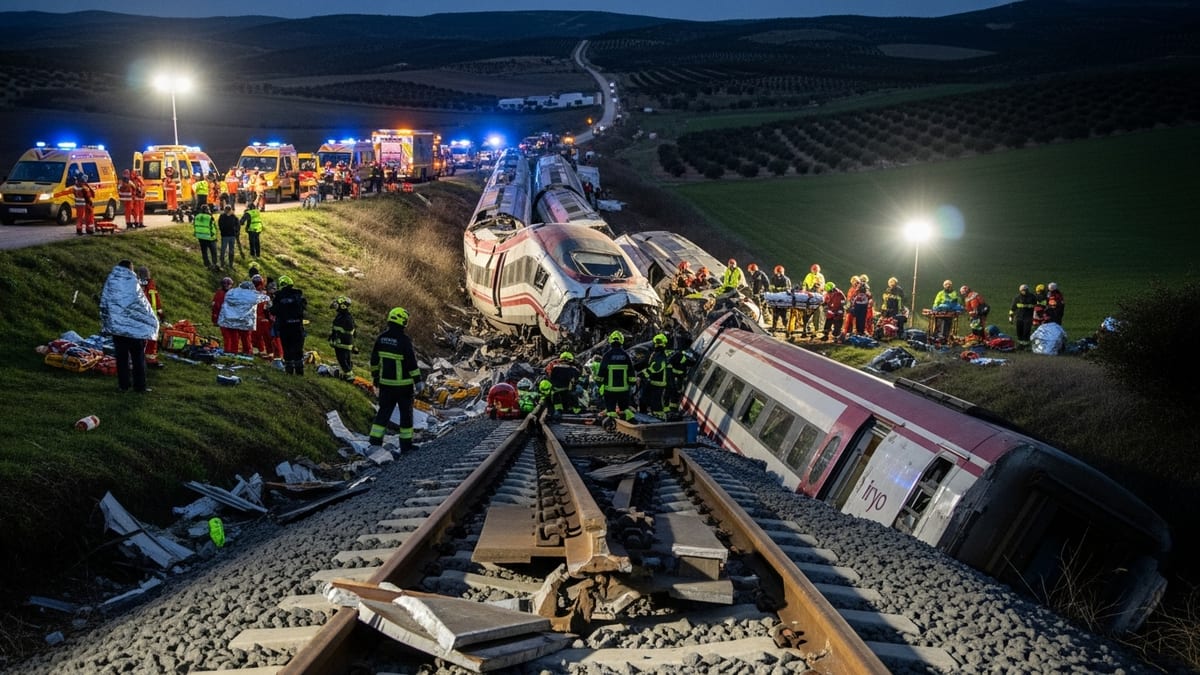
Collision along Fort Collins freight corridor
Initial information shared through local media monitoring and community reports indicates that the incident occurred along the BNSF railroad line that cuts through central Fort Collins. The line carries long freight trains through residential and commercial districts, where street-level crossings are common and delays are a regular part of daily life for residents and visitors.
Early accounts describe a collision between a train and a person in the vicinity of one of these city crossings, leading to an emergency response and a temporary halt of rail traffic. While precise timing and the exact location have not yet been fully detailed in official summaries, descriptions of trains stopped for an extended period are consistent with a significant safety incident on an active freight route.
Publicly available information so far points to the person sustaining injuries but surviving the impact. Further details on the extent of those injuries, and whether the individual was walking, cycling, or otherwise on or near the tracks at the time of the collision, had not been fully clarified as of Tuesday morning.
The BNSF corridor in Fort Collins runs close to key visitor routes, including streets that link historic Old Town, Colorado State University, and hotels clustered along main thoroughfares, making any disruption on the tracks immediately noticeable to travelers moving through the city.
Emergency response and service disruption
According to published coverage of similar recent train versus pedestrian incidents on BNSF lines in the region, standard safety protocols typically result in extended stoppages while crews, investigators, and cleanup teams work along the tracks. Early local accounts from Fort Collins residents suggest that trains were held in place for a considerable period following the collision, which is consistent with these procedures.
For drivers and visitors, that stoppage often translates into gridlocked crossings and rerouted traffic, especially where long trains intersect multiple streets at once. In Fort Collins, long-standing concerns about trains blocking intersections for extended stretches are frequently raised in local discussions, and an incident involving an injured person tends to magnify those frustrations.
Travelers heading to or from downtown accommodations, craft breweries, and popular outdoor attractions on the east side of the city may have experienced delays as emergency crews worked in the rail corridor. Visitors relying on navigation apps would likely have been diverted away from blocked crossings as trains remained stationary following the collision.
Publicly available rail safety guidance emphasizes that rail lines can remain blocked for several hours after major incidents while inspections take place and equipment is cleared. In a corridor like Fort Collins, where trains run close to homes, businesses, and hotels, such stoppages can ripple quickly through local traffic and visitor itineraries.
Context: Fort Collins rail safety concerns
Fort Collins has a long history of debate over how to manage heavy freight activity through a growing university city. Residents have frequently voiced concern about the way the BNSF main line slices through central neighborhoods, with at-grade crossings that can remain closed for substantial periods when long trains move slowly or come to a standstill.
Previous incidents involving people on or near the tracks have been discussed in local forums and coverage, including fatal cases and serious injuries at downtown-adjacent crossings. Those events have reinforced calls for improved separation of vehicle and rail traffic, better warning systems, and more robust public education around the dangers of attempting to cross between stopped railcars or bypass lowered gates.
For visitors, the concentration of rail lines near historic commercial areas and multiuse paths can create unfamiliar risks. Travelers exploring Old Town on foot or by bike, or moving between hotels and restaurants, may encounter active tracks at street level. Rail safety advocates regularly stress that trains can move suddenly and are quieter than many people expect, and that what appears to be a stationary consist can begin rolling without warning.
The latest collision has renewed attention on these longstanding safety conversations, particularly as Fort Collins positions itself as a gateway to outdoor recreation in northern Colorado and seeks to balance freight operations with a walkable, visitor-friendly downtown core.
Implications for future rail and tourism planning
The incident comes at a time when Colorado is investing significant effort into reshaping passenger rail along the Front Range. Planning work for a proposed service connecting cities from Trinidad to Fort Collins has highlighted the importance of sharing existing freight corridors with companies such as BNSF, and of improving safety and reliability where passenger and freight operations intersect.
Publicly available planning documents and recent reporting on the Front Range project point to upgrades in signals, crossings, and track infrastructure as a central part of any agreement with freight railroads. Safety for people on or near the tracks is a core element of that conversation, particularly in communities like Fort Collins where rail lines run close to dense neighborhoods and visitor destinations.
For the travel sector, the perception of safety around rail lines can influence how visitors move through a city. Hotels, tour operators, and event organizers often pay close attention to incidents that attract local headlines, adjusting wayfinding, shuttle routes, or guest information materials to steer people away from high-risk crossings or congested corridors.
As more details emerge about the Fort Collins collision, local stakeholders in tourism and transportation are expected to track any recommendations that follow, from infrastructure changes to renewed public messaging about staying off the tracks, obeying crossing signals, and allowing extra time when driving or walking in areas adjacent to the BNSF corridor.
Safety reminders for visitors near rail lines
Public rail safety campaigns in Colorado consistently emphasize basic precautions that are highly relevant in a city like Fort Collins. Travelers are urged to regard every track as active at all times, to avoid walking along or across rails except at designated crossings, and never to attempt to go around lowered gates or between railcars on a stopped train.
Because long freight trains can obscure sightlines and block sound, it can be difficult for pedestrians, cyclists, or drivers unfamiliar with the area to judge when another train may be approaching on an adjacent track. Safety advocates therefore advise treating any blocked or recently cleared crossing with extra caution, even after a train appears to have passed.
For visitors arriving by car, leaving additional time when planning routes across the city can reduce the temptation to take risks around trains, especially during peak travel periods or when events draw larger crowds to downtown Fort Collins. For those exploring on foot or by bike, using marked crossings and heeding audible and visual warnings remains the key to avoiding the types of collisions that have drawn renewed attention this week.
As Fort Collins continues to develop both as a freight crossroads and as a growing destination for outdoor recreation and urban tourism, the latest collision involving a BNSF train underscores the ongoing need for careful planning, public awareness, and traveler vigilance around the busy rail corridor.