


More news on this day
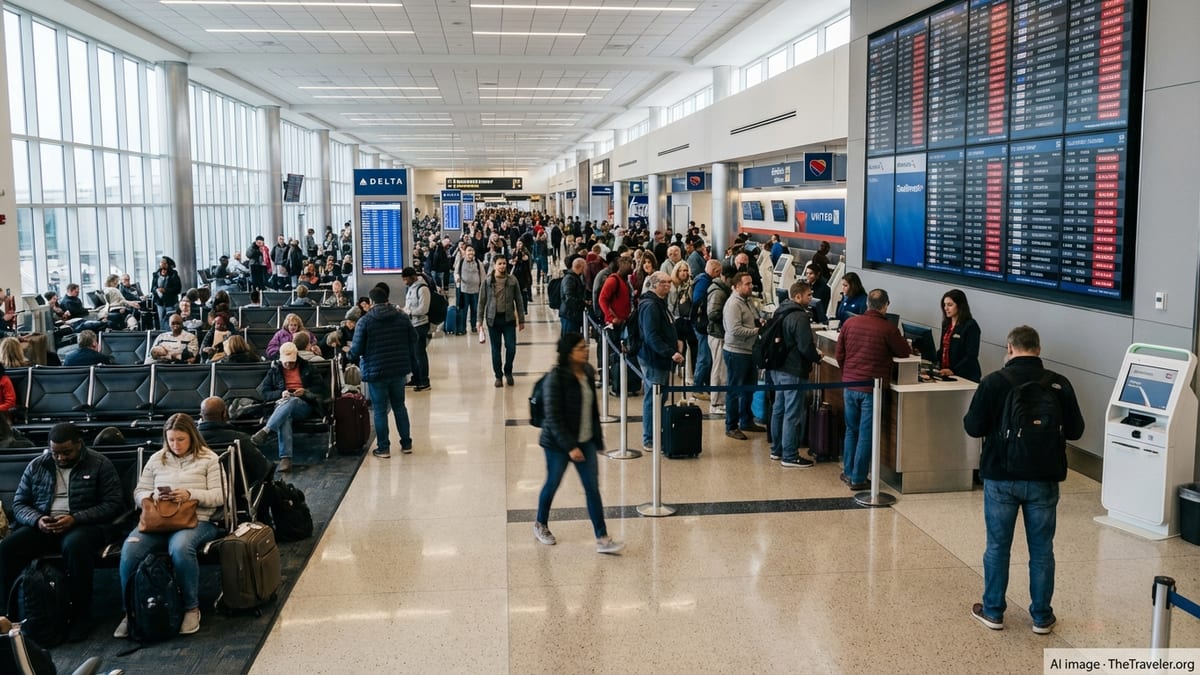
Hundreds of flights connected to Phoenix Sky Harbor International Airport were delayed late last week, creating a ripple effect of missed connections and extended waits for travelers across large portions of the United States as airlines struggled to keep summer schedules on track.
Get the latest news straight to your inbox!
Delays Stack Up Over 24 Turbulent Hours
Publicly available flight-tracking data and regional broadcast coverage indicate that more than 200 arrivals and departures tied to Phoenix Sky Harbor were delayed between Wednesday evening and Thursday evening, with disruption peaking on June 4. The largest clusters were concentrated in the afternoon and evening periods, when traffic volumes are already high and any slowdown can quickly back up departures and arrivals.
Average delays during the height of the disruption were reported in the range of 45 to 60 minutes for many flights, though some individual services experienced significantly longer waits as aircraft and crews fell out of position. The pattern resembled other high-impact delay days at Phoenix, in which dozens of late arrivals trigger subsequent late departures and ultimately spill into overnight operations.
Most affected flights eventually operated rather than being canceled outright, but the compounding effect of rolling delays was felt at hub airports across the country. Travelers connecting through Phoenix reported tight or missed connections at onward destinations, and some itineraries were rebooked onto next-day services as seats filled up on remaining flights.
Weather, Airspace Congestion and Seasonal Heat All Play a Role
According to published coverage, the primary triggers for the wave of delays were weather systems well beyond Arizona that limited capacity at several major coastal and Midwestern hubs. Thunderstorms and changing jet-stream patterns forced traffic-management programs at busy airports, slowing the rate at which aircraft could land and depart and causing cascading schedule disruptions that reached Phoenix-bound and Phoenix-originating flights.
Phoenix itself saw generally clear skies during much of the week, but the impact of distant storms was still significant. When connecting hubs reduce their arrival flow, departures from Sky Harbor destined for those airports are often held at the gate or placed into departure metering programs, resulting in ground delays that can last anywhere from a few minutes to more than an hour.
Local conditions added another layer of complexity. Forecasts for Phoenix in early June called for temperatures in the low to mid 100s Fahrenheit, with readings expected to approach the 108 to 110 degree range by the end of the week. While routine for early summer in the region, extreme heat can affect aircraft performance and ground operations, sometimes leading airlines to adjust weight limits, manage fuel loads more conservatively, or slow turn times when ramp crews face dangerously hot conditions.
These combined pressures meant that even minor timetable disruptions had less margin to be absorbed. Once aircraft missed their preferred departure windows and arrived late into Phoenix, crews bumped up against duty-time limits and available gate space became constrained, further prolonging delays.
National Network Strain Extends Impact Beyond Arizona
The latest delay surge at Sky Harbor underscores how tightly interconnected the U.S. air travel system has become. Phoenix functions as a major connecting hub for several large carriers, linking West Coast, Mountain West and Mexican destinations with cities across the Midwest and East Coast. When operations slow at one node in that network, disruption can quickly radiate outward.
Flight-status boards on airline and tracking platforms showed late-running Phoenix flights touching dozens of domestic cities during the affected period, from nearby regional airports to transcontinental routes. Passengers flying from smaller communities into Phoenix for onward international connections were particularly vulnerable, as many of those routes operate only once or twice daily, leaving limited backup options when schedules slip.
Reports also indicated that some long-haul services operated with knock-on delays after inbound aircraft arrived late, consolidating the impact into a smaller number of heavily trafficked flights. While airlines worked to reposition jets and staff as quickly as possible, it took many hours for schedules to realign and for delay averages to fall back toward typical summer levels.
Conditions Improve but Summer Travel Risks Remain
By the end of the weekend following the worst of the disruption, federal status dashboards and live tracking services were again showing Phoenix Sky Harbor operating without a formal ground delay program, with most general taxi and airborne delays returning to around 15 minutes or less. That shift suggested that the acute phase of the event had passed, even as scattered individual delays continued to appear in the schedule.
Operational statistics from the City of Phoenix Aviation Department highlight how sensitive a high-volume airport can be to these kinds of disruptions. Phoenix Sky Harbor handles millions of passengers each month during peak travel seasons, and even a relatively short-lived capacity constraint can temporarily affect a significant share of daily flights.
With summer travel demand building and the region heading into its hottest months, aviation planners and airlines face a challenging mix of factors. Seasonal thunderstorms in other parts of the country, the possibility of monsoon storms later in the Arizona summer, and persistent high temperatures all raise the risk that similar disruption days could reappear in the months ahead.
What Travelers Can Do Ahead of Peak Summer Crowds
Published guidance from travel outlets and aviation trackers emphasizes that passengers have limited ability to avoid weather-related disruptions, but can take steps to minimize the impact when large delay events occur. For those connecting through Phoenix, booking longer layovers and favoring morning departures, when networks are less congested, can provide additional buffer if flights run late.
Travelers are also encouraged to monitor flight status closely on the day of travel and to sign up for airline notifications. During the recent Phoenix delay surge, many passengers first learned of rolling schedule changes through mobile alerts, allowing them to adjust ground transportation plans, request rebooking options, or prepare for extended waits at the terminal.
Industry analysts note that choosing nonstop routes where possible, traveling with carry-on luggage instead of checked bags, and having backup itineraries in mind can all make a difference when the system comes under strain. While the latest wave of delays at Phoenix Sky Harbor has eased, the episode serves as an early-season reminder that the combination of summer storms and desert heat can challenge even the most robust airline schedules.