


More news on this day
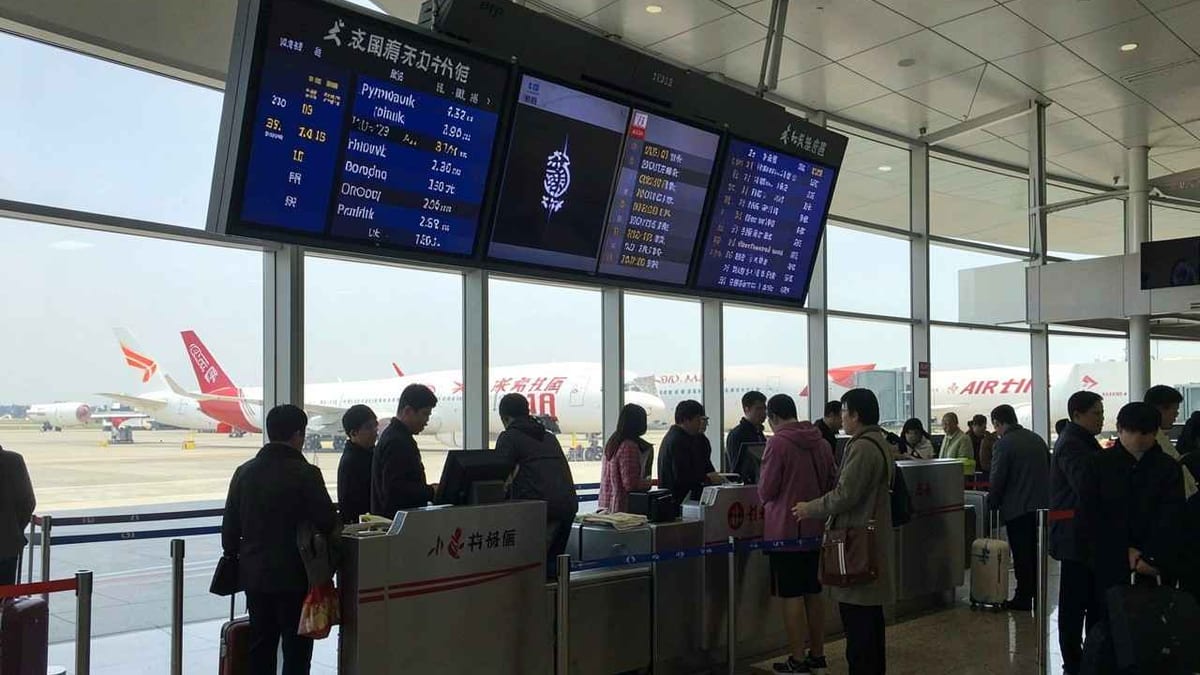
Beijing Capital International Airport is experiencing significant operational disruption, with publicly available flight-tracking data indicating 19 cancellations and 102 delays affecting domestic and international routes across China, Canada, Japan, South Korea, Taiwan and Thailand.
Get the latest news straight to your inbox!
Wide Network Impact as Major Carriers Disrupt Schedules
The latest disruption at Beijing Capital International Airport is centered on services operated by Air China, China Eastern and Dalian Airlines, alongside several foreign carriers. Route maps and real-time boards show that affected flights include both short-haul domestic services and longer-haul connections linking Beijing with North America and key Asian hubs.
Traffic patterns indicate that core domestic trunk routes between Beijing and cities such as Shanghai, Wuhan and Dalian have been among those hit by delays, increasing pressure on China’s already busy internal aviation network. Additional disruption on regional services to Japan, South Korea and Taiwan is compounding congestion on traditionally high-demand corridors in Northeast Asia.
Long-haul connections between Beijing and Canada, including services via Vancouver and other major gateways, have also been affected as late inbound aircraft and rotation changes ripple through airline schedules. Passengers traveling onward to Southeast Asia, particularly Thailand, are facing missed connections or extended layovers as airlines work within tight fleet and crew constraints.
Operational data and aviation analytics reviewed on Tuesday suggest that the cancellation tally, while modest in absolute terms, has a disproportionate impact because it clusters around peak travel waves. In combination with more than one hundred delays, the result is mounting strain on turnaround times, gate availability and ground-handling capacity at Beijing Capital.
Beijing Capital’s Role as a Regional Hub Intensifies Effects
Beijing Capital International Airport serves as one of China’s primary aviation hubs, funnelling traffic between domestic cities and overseas destinations across Asia, Europe and North America. Its status as a central transfer point means that even a relatively contained disruption can cascade through airline networks and create wider regional knock-on effects.
Studies of Chinese airline operations have highlighted Beijing Capital as particularly sensitive to schedule shocks, owing to dense wave banks, constrained airspace and a concentration of hub-based carriers. When multiple airlines, including Air China and China Eastern, adjust timetables at the same time, the result can be a chain reaction in which a single late aircraft affects several subsequent sectors.
Analysts note that Beijing Capital’s network includes a high number of international services to Japan, South Korea, Taiwan and Thailand, many of which are timed to feed and receive connecting passengers from long-haul arrivals. Disruptions on these routes not only inconvenience point-to-point travelers but also undermine the reliability of onward connections to other Asian and North American cities.
The airport’s evolving role alongside Beijing Daxing has not eliminated congestion pressures. While some airlines have shifted part of their operations to the newer facility, Beijing Capital remains the primary gateway for several national and foreign carriers, concentrating demand during key morning and evening peaks.
Operational and Structural Drivers Behind Today’s Disruption
Officially published schedules and airline advisories indicate that the current wave of cancellations and delays stems from a mix of operational and structural factors. These typically include tight aircraft utilization patterns, airspace management constraints, weather disruptions along route corridors and resource bottlenecks at major hubs.
Network-level research on Chinese aviation has highlighted how small disturbances at large hubs such as Beijing Capital can quickly propagate through multi-leg rotations. When an aircraft arriving late from one city is scheduled to operate several subsequent flights, airlines may be forced to delay or cancel downstream services to restore balance to their timetables.
Industry analyses over recent months have also pointed to broader challenges facing Chinese and regional carriers, including fluctuating international demand, shifting regulatory requirements and changing overflight conditions in certain parts of Asia. These pressures have prompted airlines such as Air China and China Eastern to recalibrate route portfolios and trim less profitable or more operationally complex sectors.
While not every cancellation or delay is directly linked to structural issues, the combination of tight turnarounds, high load factors and limited slack in aircraft and crew resources leaves carriers with little flexibility when unforeseen events occur. This helps explain how a disruption involving fewer than two dozen cancellations can still translate into a much larger pool of delayed passengers.
Passengers Face Long Queues, Missed Connections and Rebooking Challenges
For travelers passing through Beijing Capital, the practical consequences of today’s disruption include extended queues at check-in and transfer counters, crowded departure halls and a rush to secure alternative itineraries. Extended delays on departures for Japan, South Korea, Taiwan and Thailand are especially problematic for passengers with same-day onward connections.
Publicly available guidance from airlines and consumer-rights organizations suggests that affected passengers are typically directed to check airline apps, official websites and airport information screens for real-time updates. However, surges in online traffic during disruption events can slow digital channels and increase reliance on in-person assistance at service desks, where staffing may already be stretched.
Travelers on routes involving Canada and other long-haul markets face a higher risk of overnight disruption when delays cause them to miss the last onward departure of the day. In such cases, rebooking options can be limited, particularly during busy travel periods when remaining seats on alternative flights are scarce.
Reports from recent disruption episodes at major Chinese airports indicate that passengers with flexible tickets or those booking with larger network carriers often have more options for rerouting. Those on tightly scheduled itineraries, separate tickets or heavily discounted fares may find that they have fewer choices and higher out-of-pocket costs for accommodation and incidental expenses.
What Travelers Can Do When Flying Through Beijing Capital
Travel planners recommend that passengers with upcoming flights through Beijing Capital monitor their bookings closely on the day of travel and allow extra time for transfers. Given the current pattern of cancellations and delays, leaving a wider buffer between connecting flights, especially when changing airlines or terminals, can reduce the risk of misconnecting.
Travelers are also encouraged to familiarize themselves with their carrier’s policies on schedule changes, rebooking and refunds. Some airlines offer complimentary same-day changes during disruption events, while others apply standard fare rules. Having boarding passes, booking references and contact details for the operating airline readily available can speed up the rebooking process if a flight is canceled.
Those flying on multi-leg journeys that include sectors to or from Canada, Japan, South Korea, Taiwan or Thailand may wish to track the status of both their Beijing segment and their onward flight. If an originating leg into Beijing appears heavily delayed, passengers sometimes have the option to adjust travel plans before reaching the hub, potentially securing better alternatives.
With Chinese and regional aviation still navigating a complex operating environment, observers expect periodic bouts of disruption to remain a feature of travel through major hubs such as Beijing Capital. Travelers who build more flexibility into their itineraries, stay informed and understand their options are better positioned to navigate days like this when cancellations and delays suddenly spike.