


More news on this day
Passengers heading from Manchester to the Turkish resort of Antalya reported being left “stranded” after their easyJet flight was cancelled on the runway just minutes before departure, with a replacement service later diverting to Milan and leaving holidaymakers more than 1,200 miles from their intended destination.
Get the latest news straight to your inbox!
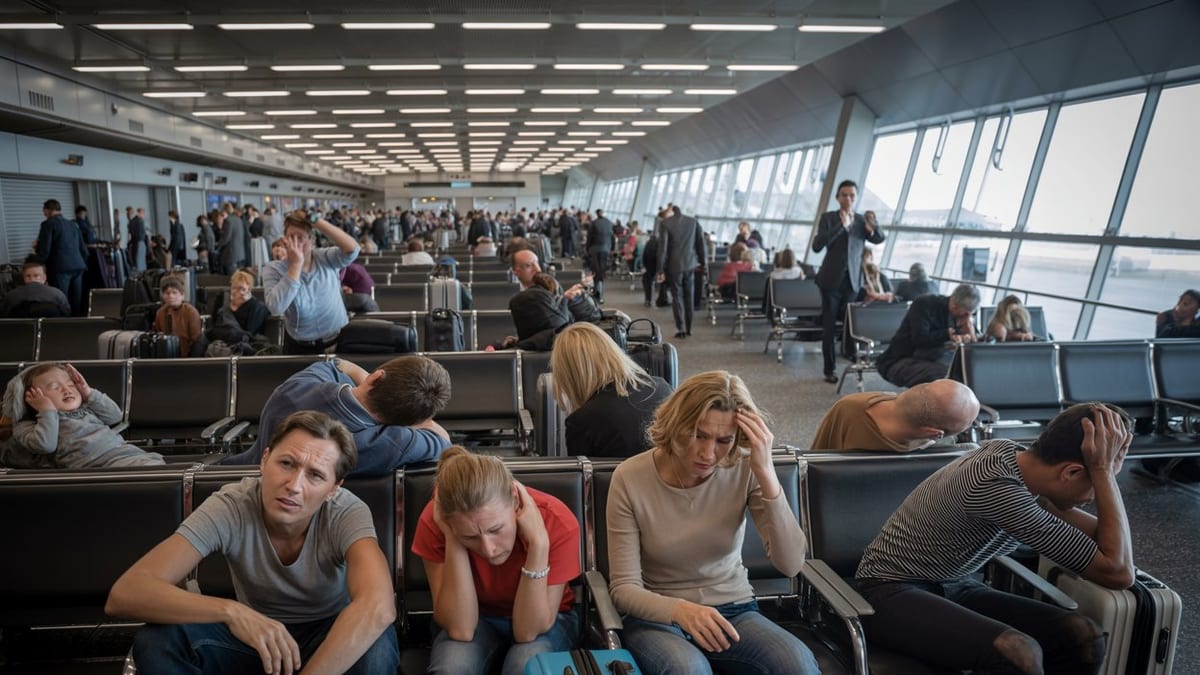
Last‑minute cancellation on the Manchester runway
According to local and national coverage, the disruption began on Friday 28 August when an easyJet service from Manchester Airport to Antalya was readied for departure around 7.45am. Passengers were taken by coach to the aircraft, but the doors reportedly never opened and they were instructed to return to the terminal around ten minutes before the scheduled take off time.
Reports indicate that travellers were told a pilot had called in sick shortly before departure, leaving the original flight unable to operate. Coverage in regional outlets describes confusion among those on board the coaches as they were driven back to the terminal and advised to await further updates on a potential replacement service departing later in the morning.
Publicly available information on the incident suggests the early morning departure was already under pressure from wider air traffic and weather‑related delays across parts of Europe, which had triggered knock‑on scheduling issues for airlines. The sudden loss of a pilot shortly before departure appears to have compounded these challenges and forced the cancellation of the initial flight.
Replacement flight diverts to Milan
After several hours of waiting, a replacement easyJet service was arranged for stranded passengers. Coverage in UK travel and regional news outlets indicates that a new crew was sourced and the aircraft eventually departed Manchester around midday, some four hours later than planned.
However, the disruption did not end there. Midway through the journey, passengers were informed that the replacement flight would not be continuing to Antalya. Reports state that the aircraft diverted to Milan after the operating crew approached their legal duty‑time limits and could not continue safely to the original Turkish destination.
Open‑source flight tracking data and media summaries show the aircraft landing in northern Italy, leaving passengers more than 1,200 miles from the Mediterranean resort they had booked. Holidaymakers then faced the prospect of arranging onward travel or overnight accommodation while the airline worked to reorganise services.
Duty‑time rules and crew shortages
Airlines operating from UK airports are bound by strict flight‑time limitations designed to manage pilot and cabin crew fatigue. These regulations cap the number of hours crews can work within specific periods and are enforced to protect safety. Published reporting on the Manchester–Antalya disruption notes that duty‑time rules were a key factor behind the diversion to Milan when the replacement flight was already significantly delayed.
Aviation analysts frequently highlight how schedule disruptions early in the day can ripple through an airline’s network, pushing crews toward their duty limits and reducing flexibility to recover from unforeseen events such as sickness. Commentary around the Manchester incident has pointed to this pattern, with the late change of pilot and earlier weather‑related air traffic restrictions contributing to a tighter operating window for the crew.
Industry guidance also explains that if it becomes clear during a flight that continuing to the planned destination would cause crew to exceed their allowed hours, airlines may divert to an intermediate airport where passengers can disembark and the crew can legally stand down. Published coverage suggests this is what occurred in the case of the diversion to Milan.
Passenger experience and airline response
Travellers caught up in the disruption described long waits in the terminal and further delays on the ground in Italy. Regional media reports state that passengers were issued food vouchers worth around €25 while they awaited a fresh crew to operate any onward service, and that they were advised to monitor updates for rebooking options.
Publicly available information indicates that easyJet apologised for the disruption in statements provided to news outlets and cited external factors such as adverse weather and air traffic restrictions earlier in the day, alongside the crew duty‑time constraints that led to the diversion. The airline also pointed to its standard policies, which include providing meals and accommodation where required when passengers are left waiting overnight for replacement flights.
Consumer advocates note that under UK and EU‑style compensation regimes, passenger entitlements vary depending on the cause of a cancellation or diversion. Weather‑related delays and certain operational constraints may be classed as extraordinary circumstances, limiting automatic cash compensation, although airlines are generally still expected to offer care in the form of refreshments and hotel stays when travellers are stranded.
Growing scrutiny on Manchester airport disruption
The easyJet incident adds to a series of high‑profile disruptions involving flights linked to Manchester Airport in recent months and years, some caused by severe weather, others by technical issues on individual aircraft or medical emergencies on board. Publicly available data shows that the airport is one of the UK’s busiest outside London, handling tens of millions of passengers annually, which can magnify the impact of any operational disruption.
Travel commentators suggest that as airlines continue to operate tight schedules to meet strong leisure demand, events such as last‑minute crew sickness or extended air traffic control restrictions can more quickly cascade into major delays. The latest reports of Manchester holidaymakers left in limbo in Milan are likely to feed ongoing debate about staffing resilience, passenger communication and the support offered when flights unravel close to departure.
While investigations into individual incidents focus primarily on safety and regulatory compliance, consumer bodies continue to urge airlines and airports to improve real‑time updates, contingency planning and transparency around passenger rights. For travellers heading through Manchester at the height of the summer season, the experience of those left stranded en route to Antalya serves as a reminder of how quickly even a routine flight can be upended.
Brit Brief: easyJet flight cancelled on runway and diverted to Milan
Brit Brief travel report on Manchester–Antalya disruption
Brum Daily coverage of diverted easyJet Manchester–Antalya flight