


More news on this day
Portugal is moving into closer alignment with other major European destinations in 2026, expanding and updating tourist levies as visitor numbers hit new records and communities wrestle with the costs of success as a global travel hotspot.
Get the latest news straight to your inbox!
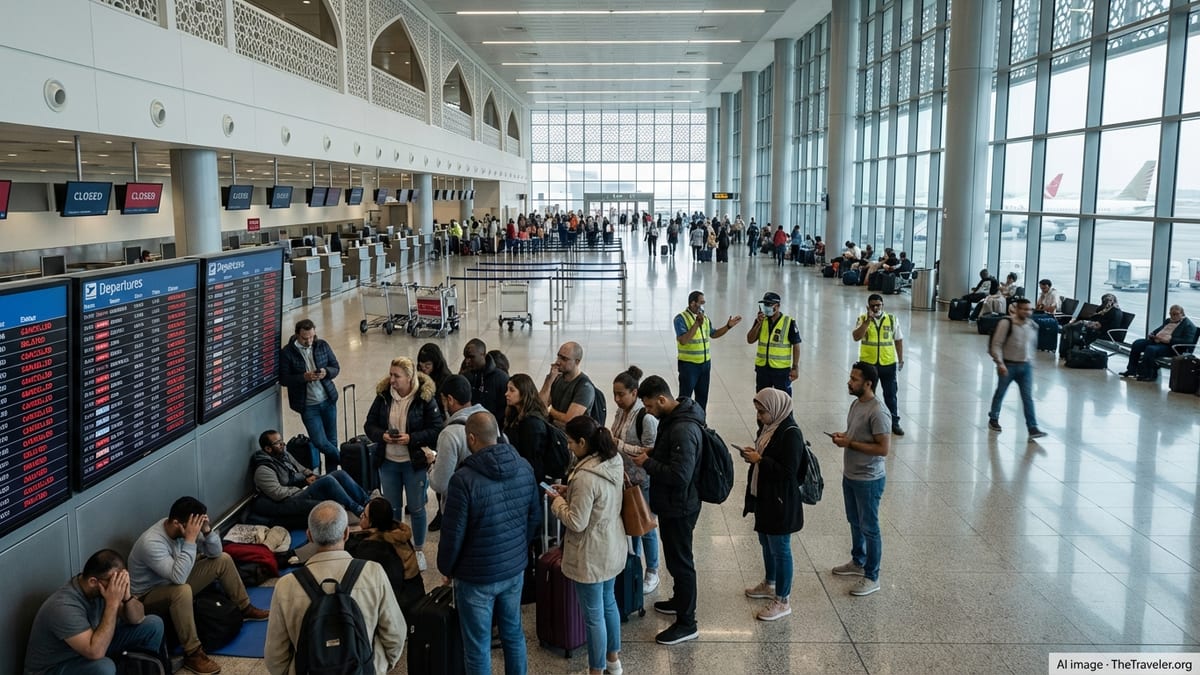
Portugal Adjusts Tourist Taxes Amid Record Visitor Growth
Publicly available data show that Portugal welcomed around 19 million foreign guests and more than 56 million overnight stays in 2024, continuing a sharp post-pandemic rebound that has pushed tourism revenues and visitor pressure to new highs across the country. National statistics and investment briefings indicate that tourism revenue reached close to 28 billion euros in 2024, with growth concentrated in coastal and urban hotspots such as Lisbon, Porto and the Algarve.
Local governments have responded by refining long-standing tourist levies that are charged per person, per night on short-term accommodation. Municipal charges, commonly known as tourist or city taxes, are now a standard feature of stays in Lisbon, Porto and several other destinations, with rates updated in recent years to reflect rising demand and higher operating costs for public services.
Reports on European travel trends for 2026 describe Portugal as part of a wider shift in which popular destinations increasingly expect visitors to share more of the financial burden associated with crowd management, cleaning, public transport and heritage preservation. Travel advisories now routinely flag tourist taxes as a predictable extra line on hotel and rental bills for those heading to Europe’s busiest cities.
At the same time, policymakers in Portugal face pressure to balance the economic benefits of a booming visitor economy with mounting concerns over housing affordability, local quality of life and the resilience of aging infrastructure shaped for smaller populations and lower tourist flows.
Lisbon and Porto Lead With Higher Overnight Levies
Municipal decisions in Lisbon and Porto illustrate how Portugal is refining its approach to visitor taxation. In the capital, publicly available municipal documents and local media coverage indicate that the standard tourist tax on overnight stays in hotels and short-term rentals, which had been set at 2 euros per person, has been approved to rise to 4 euros per night. The increase is framed domestically as part of a broader effort to channel additional revenue into housing, mobility, cleanliness and visitor management projects in a city that has become one of Europe’s emblematic city-break destinations.
Porto, which introduced its municipal tourist tax in 2018, has also moved to higher rates as visitor volumes accelerate. City information and local reporting show that the levy increased from 2 to 3 euros per person per night from December 2024, with officials projecting that annual revenue from the tax could approach 30 million euros if overnight demand holds steady. Economic bulletins from the municipality underline the rapid growth in guest numbers and overnight stays, highlighting tourism as a key contributor to the local budget.
Both cities typically cap the number of taxable nights per guest, a feature common in European tourist taxes intended to limit the burden on longer stays while still capturing revenue from short city breaks that generate much of the strain on public space and services. Exemptions for young children and certain categories of travelers remain in place, meaning that the levies are primarily paid by adult leisure and business visitors using commercial accommodation.
Industry-focused commentary suggests that, even with these higher rates, overnight taxes in Lisbon and Porto remain broadly comparable to or below those charged in other high-demand European hubs, reinforcing Portugal’s competitive position while responding to domestic calls for visitors to contribute more visibly to local costs.
Airports, Ports and Local Services Under Growing Pressure
Portugal’s move on tourist levies is not confined to hotels and rentals. Recent regulatory announcements show that aviation charges at Lisbon, Porto and Faro airports are set to rise modestly in 2026, with the national aviation regulator approving fee increases in the low single digits. While these are not branded as tourist taxes, the adjustments add marginally to the cost base of airlines and, indirectly, passengers arriving in the country’s main gateways.
In maritime tourism, updated tariff regulations for the Port of Lisbon for 2026 include references to municipal tourist taxes applying to passengers, reflecting the growing role of cruise calls and river traffic in the city’s visitor mix. Public documents on port tariffs outline how port authorities coordinate with municipal frameworks so that cruise passengers, in particular, contribute to local revenues in line with their use of urban space and services during short stays ashore.
Local commentators increasingly link these layered charges to visible pressure on infrastructure. Lisbon’s historic center and waterfront districts report crowding at peak times of year, while Porto’s compact riverfront and hillside neighborhoods attract intensive day-trip and short-stay tourism. Municipal budget notes describe tourism-related revenue, including levies and fees, as an important funding stream for street cleaning, security, cultural programming and public transport improvements.
Debate continues within Portugal about how transparently these funds are allocated, especially in neighborhoods where residents associate tourism growth with higher rents, noise and congestion. Nonetheless, publicly released financial figures show that tourist levies have quickly become a material line item in some city budgets, feeding into broader strategies to upgrade public spaces and mitigate the externalities of rapid visitor growth.
Europe-Wide Trend: Italy, France and Spain Tighten Tourist Taxes
Portugal’s evolving system of visitor levies sits within a broader European trend that is accelerating in 2026. Travel industry overviews and national notices highlight that Italy, France and Spain are all increasing or restructuring tourist taxes in their most popular cities and regions as they, too, grapple with the sheer volume of post-pandemic travel.
In Italy, the most closely watched example remains Venice, where an access fee for day-trippers has been introduced during peak periods in addition to existing overnight accommodation taxes. Italian media and international coverage describe the move as a test case for charging visitors not only for overnight stays but also for the impact of short visits on fragile historic centers and limited public infrastructure.
France is also adjusting its framework, particularly in Paris and the wider Île-de-France region. Government notices confirm that the amounts of the tourist tax are changing from 2026, building on an additional regional charge introduced in 2025 in support of public transport. The combined effect is higher per-night costs for visitors staying across a wide range of accommodation types, from budget hostels to luxury hotels, as the capital responds to major events and sustained global demand.
Spain is tightening its own tourist tax structures, with Catalonia adopting a new per-person, per-night system for 2026 that raises base rates in Barcelona and allows supplementary surcharges across the region. Specialist reporting on Spanish housing and tourism policy notes that the changes are linked to concerns over short-term rentals, housing supply and overtourism in coastal and urban hotspots.
These moves collectively indicate a shift away from symbolic low-rate levies towards more assertive pricing of tourism’s footprint, often combined with new rules on behavior, rental licensing and group visits as governments search for ways to keep destinations both attractive and livable.
What Travelers to Portugal Should Expect in 2026
For visitors planning trips to Portugal in 2026, the practical implications of these changes are relatively straightforward but increasingly important for budgeting. Overnight guests in Lisbon, Porto and other municipalities that apply local tourist taxes can expect to see a separate line on their bill for a per-person, per-night charge, typically collected directly by hotels, guesthouses and short-term rental operators at check-in or check-out.
Travel advisories and destination guides now routinely recommend that travelers factor these levies into total accommodation costs, particularly for city stays and multi-stop itineraries that combine several European destinations with their own tax regimes. For price-sensitive visitors, the combination of higher tourist taxes, service fees and broader inflation in hospitality can make a noticeable difference to the final cost of a trip, even if individual nightly charges appear modest.
Industry analysts also point out that, beyond direct costs, the spread of tourist levies signals a deeper shift toward what many European destinations describe as managed tourism. Higher and more targeted taxes, stricter rental rules and investment in crowd management measures are increasingly framed as tools to protect cultural heritage, urban services and resident life from the downsides of uncontrolled growth.
In this environment, Portugal’s decision to refine and expand its tourist levies places the country firmly alongside Italy, France and Spain at the forefront of experiments in how to share the benefits and burdens of global travel. For travelers, it means paying a little more on arrival, but also visiting destinations that are trying to sustain their appeal amid unprecedented demand.