


More news on this day
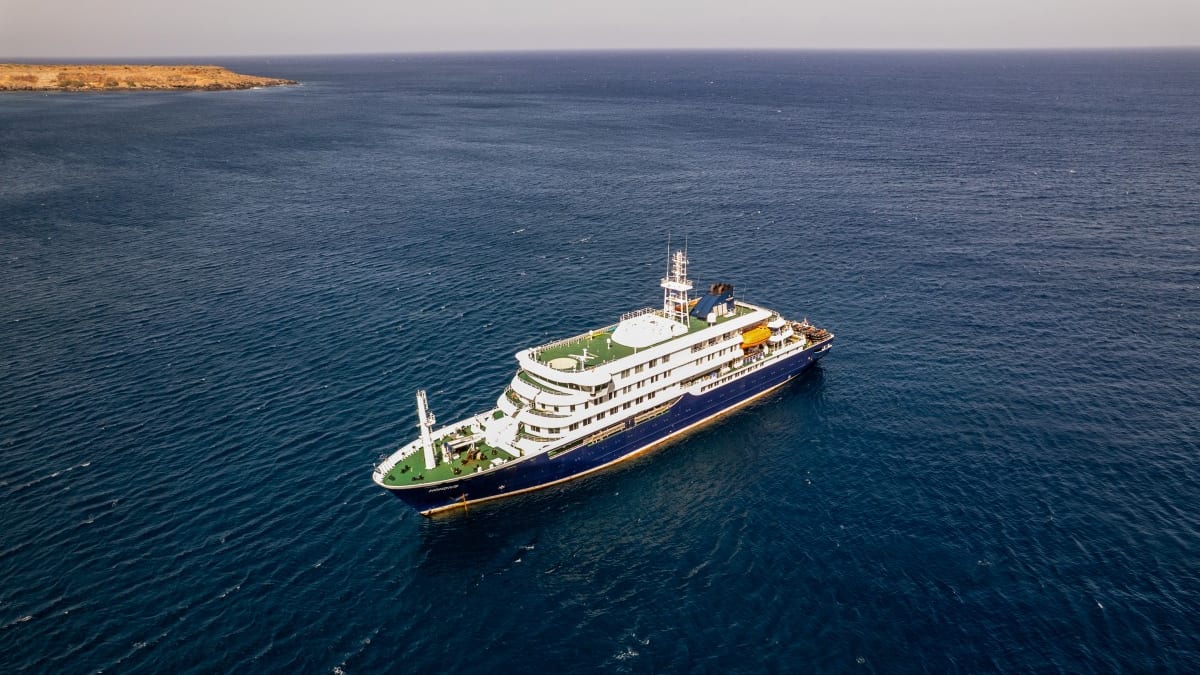
Hundreds of travelers remain confined aboard a Dutch expedition cruise ship in the Atlantic Ocean after three passengers died and several others fell ill in a suspected outbreak of the rare hantavirus, leaving the vessel stranded offshore and sparking a complex multinational public health response.
Get the latest news straight to your inbox!
Dream Voyage Turns Into Mid-Atlantic Health Emergency
The outbreak centers on the MV Hondius, a small polar-class cruise vessel that departed from Ushuaia, Argentina, in early April on an expedition voyage across the South Atlantic toward Cape Verde and the Canary Islands. Publicly available timelines indicate that the first passenger, a Dutch man in his 70s, developed symptoms within days of departure and later died after being evacuated to shore.
Subsequent illnesses emerged among fellow guests, including the man’s spouse and a German passenger, both of whom also died after developing severe respiratory symptoms. Reports indicate that additional passengers began experiencing fever and flu-like illness as the ship continued north, prompting on-board isolation measures and urgent consultations with health agencies in multiple countries.
By the first week of May, information from the World Health Organization and national health ministries described seven early cases linked to the ship, including three deaths and one critically ill patient. More recent coverage refers to at least six confirmed hantavirus infections among a wider group of suspected cases, underscoring how quickly the incident escalated from a single unexplained death to a full-scale outbreak investigation.
As the health situation became clearer, authorities in Cape Verde refused the vessel permission to dock in the capital, Praia. Instead, the Hondius was instructed to remain anchored offshore while officials weighed evacuation options, effectively stranding passengers at sea as testing and contact-tracing efforts expanded across several continents.
Life On Board a Ship That Cannot Dock
Accounts from passengers published in international media describe a surreal routine aboard the stationary ship. Expedition lectures, wildlife viewing and photography outings that once defined the voyage have given way to temperature checks, staggered meal times, and restricted movement in common areas as crew strive to limit close contact.
Reports indicate that most travelers are confined largely to their cabins or small, assigned sections of deck, emerging under strict guidance to reduce crowding. Crew members, including medical staff, are described as moving through corridors in protective gear while maintaining distance, cleaning surfaces, and monitoring anyone who reports new symptoms.
Despite the heightened anxiety, some passengers quoted in coverage from European and Asian outlets portray an atmosphere of relative calm, describing the episode as an “unlikely adventure” rather than open panic. At the same time, photos and videos sourced to local news agencies show small boats ferrying supplies and personnel in hazmat suits between the ship and shore, reinforcing the reality that the Hondius is now treated as a floating quarantine zone.
For many on board, one of the most unsettling aspects appears to be the uncertainty about when they will be allowed to disembark. With ports cautious about accepting a vessel linked to a potentially deadly virus, passengers have been told to prepare for carefully choreographed transfers directly from ship to aircraft, bypassing normal terminal facilities in order to limit contact with local communities.
International Hunt for Exposed Travelers
A major complication for health agencies is that not everyone originally on the Hondius remains on board. Before the outbreak was publicly recognized, several dozen passengers disembarked at intermediate locations, including the remote British territory of St. Helena in the South Atlantic and airports in South Africa and Europe, continuing on to home countries around the world.
According to published reports from wire services and broadcasters, officials in Europe, North America, Africa and Latin America are tracing travelers who may have shared cabins, dining tables or excursions with the deceased or confirmed cases. Some have already been placed in isolation or medical observation, including a small number of airline passengers and crew who were on flights later linked to individuals from the ship.
Coverage from Canadian, Brazilian and U.S. outlets notes that returning cruise guests are undergoing testing and quarantine in dedicated facilities, with some governments organizing charter or government-operated flights for repatriation. In the United States, publicly available information indicates that a group of remaining American passengers is expected to be flown directly to a specialized quarantine unit in the Midwest for monitoring.
Health agencies emphasize in their public statements that the overall global risk is considered low, but they also warn that additional cases are possible among those who shared enclosed spaces with confirmed patients in the days before the outbreak was recognized. That possibility has triggered precautionary alerts to clinicians in multiple countries to watch for symptoms consistent with hantavirus infection in recent travelers.
A Rare Virus in an Unusual Setting
Hantaviruses are typically associated with rodents rather than cruise travel. The strain linked to this outbreak has been identified in official summaries as Andes virus, which is usually found in parts of South America and is most often transmitted through contact with the urine or droppings of infected wild mice.
Human-to-human transmission of hantavirus is considered uncommon and, in most documented situations, appears limited to close, prolonged contact such as among household members or intimate partners. Investigators are examining whether such person-to-person spread may have occurred within a small cluster of passengers and family members, or whether multiple people were exposed to a contaminated environment before boarding.
Experts quoted in outlets such as The Atlantic and specialist science publications note that the Hondius incident is unusual because cruise ships have more often been associated with norovirus or respiratory pathogens like COVID-19 and influenza. The presence of a rodent-borne virus in this context has prompted questions about how and where exposure occurred, including whether infected rodents might have entered shipboard storage or ventilation spaces earlier in the season.
For the moment, technical assessments published by the World Health Organization and national institutes focus on confirming the chain of transmission, testing environmental samples, and reconstructing passengers’ travel histories in Argentina and neighboring countries. The aim is to determine whether the cruise merely concentrated infections that began on land, or whether conditions on the ship played a more direct role in spreading the virus.
Cruise Industry and Travelers Confront New Uncertainties
The Hondius outbreak has revived uncomfortable memories of early 2020, when the Diamond Princess and other large cruise ships became symbols of the emerging COVID-19 pandemic. While the scale of the current event is far smaller, analysts writing for travel and health outlets suggest it may again challenge consumer confidence in cruising, particularly in the expedition segment that markets itself on remoteness and adventure.
Voyages that operate far from major ports, medical centers and commercial airports face particular scrutiny. Public discussions in trade media highlight the logistical difficulties of evacuating critically ill passengers from isolated locations, as well as the challenges for small island nations asked to accept ships carrying a communicable disease when local health systems may already be stretched.
Cruise operators are now under pressure to demonstrate robust protocols for surveillance, onboard medical care and coordination with international health bodies. Commentaries in European and North American newspapers suggest that future itineraries may be adjusted to keep ships within closer reach of contingency ports, and that screening before embarkation for passengers who have recently traveled in known disease hot spots could become more stringent.
For travelers currently stranded on the Hondius, the immediate priority remains getting safely to shore and onward to home countries. For the wider travel industry, the episode serves as a stark reminder that even rare diseases can quickly become global concerns when they intersect with highly mobile forms of tourism, leaving ships, ports and passengers caught between the desire to explore and the need to contain emerging health threats.