


More news on this day
Princess Cruises has reshaped its Plus and Premier add‑on packages for voyages from 2026, raising prices while layering in new perks such as shore excursion credits and expanded dining, and prompting travelers to recalculate whether the bundles still represent good value compared with paying as they go.
Get the latest news straight to your inbox!
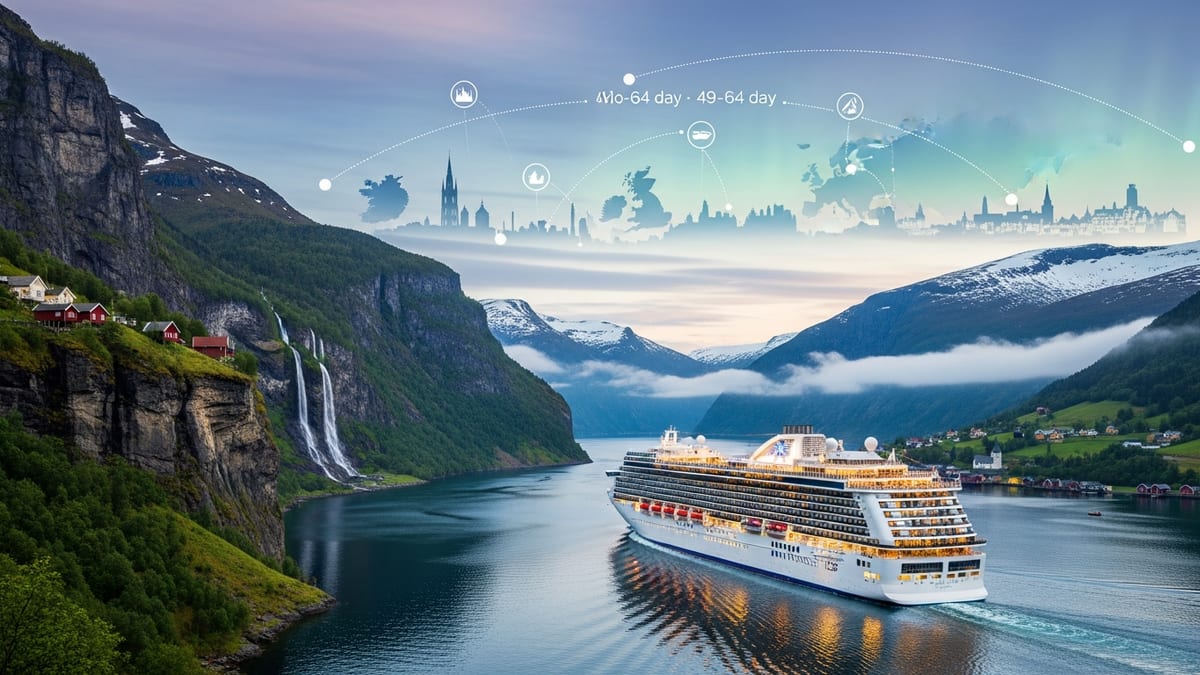
How the Plus and Premier packages work in 2026
Princess Cruises sells its vacations with a bare "Standard" fare and two upgrade bundles, Princess Plus and Princess Premier, which roll popular extras into a fixed daily rate. For 2026 sailings, publicly available information shows that pre‑cruise pricing in most markets now sits at about 65 dollars per person per day for Plus and 100 dollars per person per day for Premier on most ships, with slightly higher pricing on the new Sun Princess and Star Princess.
According to the line’s published terms, both packages must generally be purchased at least four days before departure to secure the lower rate; buying later typically adds around 5 dollars per person per day. The packages apply to the first and second guests in a cabin and cover a defined set of inclusions rather than operating as open onboard credit.
The headline promise is savings compared with buying each element separately. Cruise industry coverage notes that Princess advertises approximate savings of 50 percent for Plus and around 70 percent for Premier when guests use all of the core components regularly over the course of a voyage. Whether individual travelers actually see that level of value depends heavily on how they cruise day to day.
What Princess Plus now includes
For 2026 departures, Princess Plus is positioned as the mid‑tier upgrade that bundles most of the high‑demand extras. Company materials and travel trade briefings indicate the package now includes a Plus beverage plan covering a wide range of beers, wines by the glass, spirits and cocktails up to a set price cap, along with specialty coffees, bottled water, soft drinks and mocktails, typically up to 15 drinks per person per day.
Plus also wraps in MedallionNet Max Wi‑Fi for one device per guest, which is marketed as a higher‑bandwidth connection compared with the basic service, and covers daily crew appreciation charges that would otherwise be added to the onboard account. For many North American guests, those gratuities run in the region of 16 to 18 dollars per person per day when purchased separately, making this a significant part of the bundle’s face value.
Dining benefits have become a more prominent part of the Plus offer from January 2026. Official descriptions show that the package now includes four casual dining meals per guest per voyage at venues such as gastropubs or street‑food style outlets that usually carry an extra charge. On longer itineraries, those four meals do not scale up, which can dilute the effective value per day on extended cruises but still adds a fixed perk for guests who plan to sample alternative eateries.
In practice, Plus is pitched at travelers who expect to order several alcoholic or specialty drinks each day, want constant connectivity and would pay standard gratuities anyway. For guests who are light drinkers and less reliant on Wi‑Fi, the daily rate can be harder to justify, particularly on port‑intensive itineraries where many hours are spent ashore.
What distinguishes Princess Premier
Princess Premier sits above Plus as a more inclusive option that layers on extra dining, experiences and credits. For 2026, Princess promotional materials outline that Premier retains all the features of Plus, including the beverage plan, Wi‑Fi and crew appreciation, and adds unlimited casual and specialty dining across the voyage, subject to availability and venue policies.
Newer benefits brought in for 2026 itineraries include shore excursion credits tied to cruise length. Publicly available details show that guests receive 100 dollars of excursion credit on cruises of six to nine days, 200 dollars on sailings of 10 to 20 days and 300 dollars on itineraries of 21 days or more. The credits apply toward Princess‑operated tours, potentially offsetting the premium package cost for travelers who favor ship‑run excursions over booking privately.
Premier also typically includes a photo package with a set number of digital images or prints, priority features around Medallion services and various smaller perks that have evolved over time. Some entertainment experiences, such as certain art‑themed or immersive shows, have been folded into a list of inclusions on specific ships, though the exact line‑up can vary by vessel and deployment.
At roughly 100 dollars per person per day before any late‑purchase surcharges, Premier is marketed toward guests who prefer a largely all‑inclusive feel and expect to dine frequently in specialty venues or book multiple tours. Those who mainly use included main dining rooms and explore ports independently may find it more challenging to unlock the full advertised savings.
Where the value tipping points lie
Independent cruise bloggers and traveler forums have been actively dissecting the latest round of changes to Plus and Premier pricing, running sample calculations for common seven‑night itineraries. A consistent theme in those comparisons is that Plus can become cost‑effective quite quickly for guests who combine a few alcoholic drinks, specialty coffees and soft drinks each day with a reliance on fast Wi‑Fi and standard gratuities.
For example, informal breakdowns frequently assign around 60 to 70 dollars per day in notional value to a combination of beverage spending, daily service charges and a robust internet plan when purchased a la carte. When the four casual dining meals are factored in across a week, Plus often produces a modest to substantial saving for guests who regularly consume what is on offer.
Premier, by contrast, tends to show the strongest value only when guests lean heavily into specialty dining, take advantage of the full shore excursion credit and make meaningful use of the photo package. On port‑heavy itineraries, some travelers report that they cannot realistically schedule enough specialty meals or onboard experiences to justify the higher daily rate compared with Plus.
Another factor is cabin occupancy. Because packages are charged per person and usually required for both first and second guests, couples who drink and dine at different levels may need to compromise. Households traveling with older teens or young adults who do not use many alcoholic beverages sometimes find the math less favorable, even though non‑alcoholic options are included.
How changing perks affect booking decisions
The latest overhaul of Plus and Premier has removed a handful of smaller inclusions that previously attracted attention, such as certain premium desserts and fitness classes, while emphasizing dining and shore credits. Travel industry commentary suggests this shift is designed to steer guests toward revenue‑generating venues and curated excursions rather than miscellaneous treats.
At the same time, the addition of excursion credits and expanded dining in Premier is seen as an attempt to keep the package appealing after notable price increases in mid‑2025. Some commentators argue that the overall direction keeps Princess aligned with competing big‑ship lines that have steadily moved toward bundled pricing for drinks, Wi‑Fi and tips, often at similar daily rates.
For many would‑be passengers, the decision now comes down less to headline savings percentages and more to a candid look at personal habits. Those who enjoy cocktails by the pool, multiple coffees, are always online and plan to dine beyond the main restaurant most nights may view Plus or Premier as a way to lock in costs and avoid bill shock at the end of the voyage.
Others, particularly light drinkers or travelers focused on port exploration, may choose the Standard fare and purchase individual extras only when needed. With Princess continuing to adjust the balance of perks and pricing, observers expect cruisers to keep running the numbers each season to decide whether the Plus or Premier labels genuinely fit their style and budget.