


More news on this day
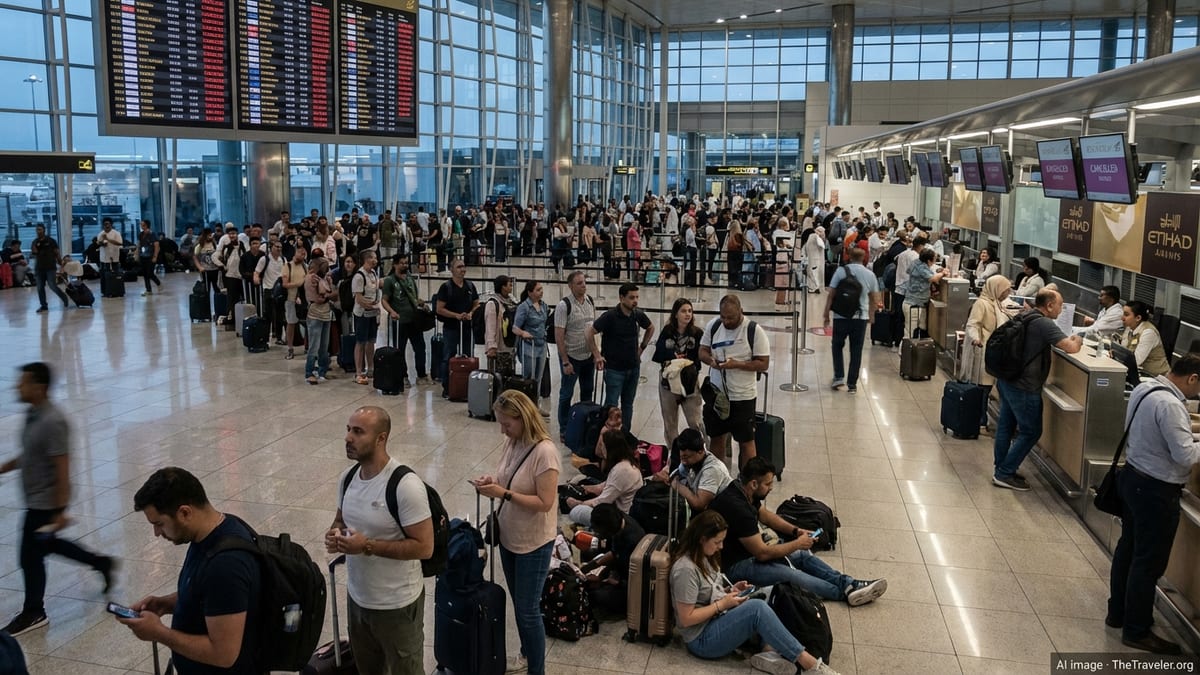
Hundreds of passengers traveling through the United Arab Emirates on July 14 faced significant disruption as 462 flights were delayed and 20 were cancelled across Dubai, Abu Dhabi, Sharjah and Ras Al Khaimah, affecting operations at leading carriers including Emirates, Etihad Airways, Air Arabia, flydubai, SpiceJet and others.
Get the latest news straight to your inbox!
Regional Tensions Spill Into UAE Flight Schedules
Published coverage on July 14 indicates that the fresh wave of disruption followed renewed regional security concerns, with knock-on effects across Gulf airspace and airport operations. While the UAE’s major hubs remained open, tighter routing and congestion over neighboring states translated into delays for both arriving and departing services.
Reports from aviation outlets show that flights between the UAE and Saudi Arabia were particularly affected after an attack on Abha International Airport, forcing airlines to divert or cancel some services on short notice. Airlines with dense networks into Saudi Arabia, India and other regional markets, including flydubai and Air Arabia, faced added operational complexity as they adjusted schedules.
Operational data compiled for the UAE’s four main international airports point to 462 delayed flights in a single day, alongside 20 outright cancellations. The disruption was concentrated in peak travel periods, amplifying congestion in terminals and compounding the impact on connections for long haul passengers using Dubai and Abu Dhabi as transit hubs.
Travel industry analysts note that while the airspace over the UAE has broadly remained open in recent regional crises, restrictions and diversions in neighboring countries can quickly cascade into extended flight times, tighter turnaround windows and reduced schedule resilience.
Dubai, Abu Dhabi, Sharjah And Ras Al Khaimah Hit Differently
Dubai International, the world’s busiest hub for international traffic, accounted for a substantial share of the delays, according to publicly available tracking data. With Emirates and flydubai operating dense banks of departures and arrivals, even modest holding patterns or reroutes can ripple across the network, pushing subsequent flights behind schedule.
In Abu Dhabi, Etihad Airways and partner carriers experienced a combination of delayed inbound flights and departure retimings as aircraft and crews fell out of their planned rotations. Aviation tracking platforms showed a noticeable build up of late arrivals into the capital, increasing pressure on ground handling teams and airport infrastructure during already busy summer travel weeks.
Sharjah International, home base of low cost carrier Air Arabia, saw a smaller overall volume of services affected but a relatively high proportion of regional flights impacted. Reports indicate that links to certain Saudi cities, including Abha, were among the most disrupted, with both outbound and inbound services adjusted or cancelled.
Ras Al Khaimah International Airport, which handles a more limited but growing range of scheduled and charter flights, also reported delays as aircraft transiting congested regional airspace arrived behind schedule. Although the absolute number of affected movements there was lower than at Dubai or Abu Dhabi, passengers still faced extended waiting times and altered departure slots.
Airlines From Gulf Giants To Budget Carriers Affected
The disruption cut across airline business models, affecting full service Gulf network carriers and low cost operators alike. Emirates and Etihad Airways, which rely heavily on precise bank structures to feed long haul connections, were forced to retime some services as arrivals from key regional gateways ran late, limiting the transfer windows for onward flights.
Flydubai, which operates extensive point to point services across the Middle East, South Asia and parts of Central Asia, saw particular pressure on flights to and from Saudi Arabia. According to published coverage, services linking Dubai with Abha were among those cancelled or diverted after operations at the Saudi airport were interrupted, forcing the airline to rebook or reroute passengers.
Sharjah based Air Arabia, with a network spanning the Gulf, North Africa and the Indian subcontinent, faced similar challenges on its Saudi routes. One flight between Abha and Sharjah was reported cancelled as carriers assessed the security and operational environment, highlighting how quickly events at a single airport can affect travel plans across borders.
Indian carrier SpiceJet also appeared among the airlines experiencing knock on delays, particularly on services connecting secondary Indian cities to the UAE. With many such routes operating close to capacity during the summer holiday period, even short disruptions to airspace flows can create lengthy backlogs in both directions.
Passenger Experience: Long Queues, Missed Connections, Changing Guidance
For travelers passing through UAE airports on July 14, the operational statistics translated into crowded terminals, extended waits at check in and transfer desks, and a heightened risk of missed connections. Social media posts and traveler reports described long queues at rebooking counters as airlines worked to reaccommodate passengers whose onward flights could not be held.
Airports and carriers issued a series of operational advisories throughout the day, urging passengers to monitor flight status closely and arrive early where possible. Publicly accessible airline information pages highlighted flexible options in cases of cancellation or significant delay, including rebooking on alternative dates or routes and, in some situations, travel credits or refunds.
At major hubs such as Dubai International and Abu Dhabi’s primary airport, ground teams focused on prioritizing vulnerable travelers, including families, elderly passengers and those with tight long haul connections. However, the sheer volume of affected flights meant that many travelers faced prolonged layovers and, in some cases, overnight stays arranged at short notice.
Travel agents in the region noted increased demand for real time updates and alternative routings, as passengers sought to avoid the most constrained corridors or reroute via other Gulf and South Asian hubs that were experiencing fewer operational issues.
What Travelers Should Do As Disruptions Continue
Given the fluid regional situation, travel industry guidance emphasizes preparation and flexibility for anyone scheduled to fly into or out of the UAE in the coming days. Passengers are being advised to track their flight status frequently through airline channels and flight tracking tools, particularly in the 24 hours before departure.
Travelers holding tickets with Emirates, Etihad, flydubai, Air Arabia, SpiceJet and other affected carriers are encouraged to familiarize themselves with each airline’s disruption and rebooking policies. Publicly available information typically outlines options in the event of schedule changes, including free date changes within a specified window, rerouting on alternative services, or refunds where flights are cancelled.
Experts also recommend building extra time into complex itineraries that involve tight connections, especially where journeys cross multiple regions currently experiencing airspace congestion. Booking slightly longer layovers at major hubs such as Dubai or Abu Dhabi can provide an added buffer if inbound flights are held in holding patterns or rerouted.
While the UAE’s aviation system has demonstrated resilience through previous episodes of regional tension, the events of July 14 underline how quickly conditions can shift. Travelers planning trips through Dubai, Abu Dhabi, Sharjah and Ras Al Khaimah in the short term are likely to benefit from proactive monitoring, flexible plans and close communication with their airlines or travel providers.