


More news on this day
Ten flights operated by regional carriers Republic Airways and Endeavor Air were grounded at John Glenn Columbus International Airport in June 2026, disrupting key links to New York City, Montreal and popular Mexican leisure destinations at the start of the busy summer travel period.
Get the latest news straight to your inbox!
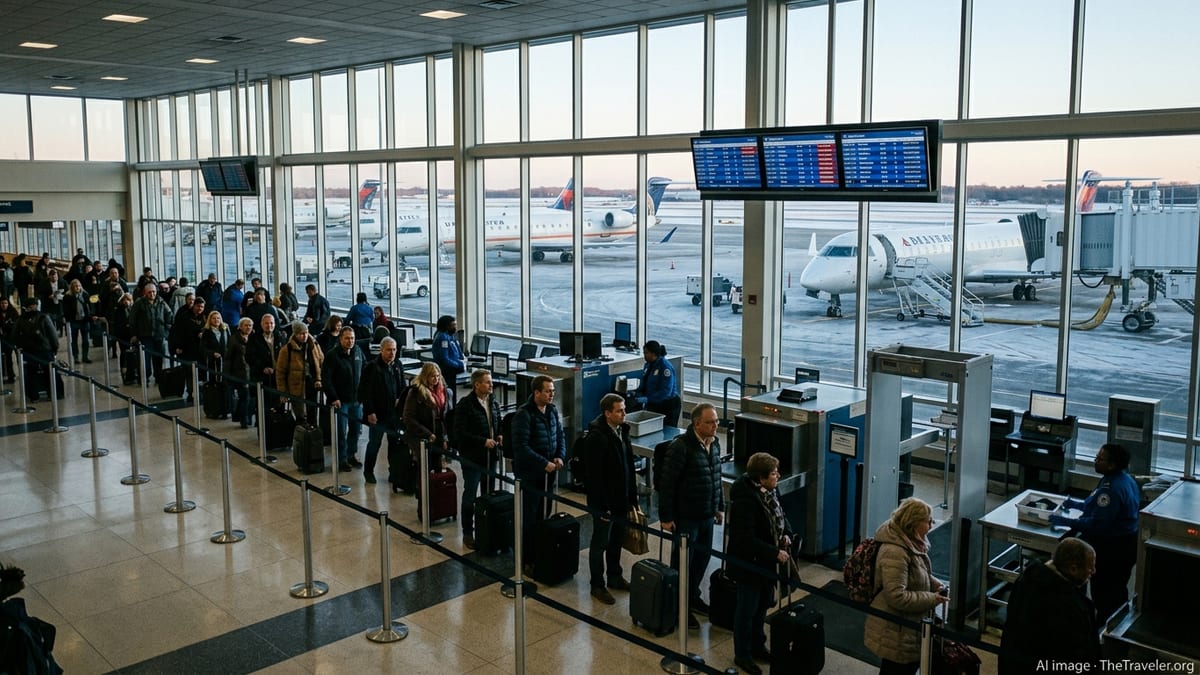
Groundings Hit Regional Links at a Critical Summer Moment
The grounding of 10 flights at Columbus involved services operated under major airline brands but flown by Republic Airways and Endeavor Air, two of the largest regional carriers in the United States. The affected departures and arrivals were concentrated on high-demand routes linking Columbus with New York area airports, Montreal and Mexican beach destinations served seasonally from Ohio’s capital.
Regional airlines such as Republic Airways and Endeavor Air operate many of the shorter routes that connect mid-sized cities like Columbus to major hubs. When even a small cluster of flights is pulled from schedules in a single day, travelers can face longer delays in rebooking because replacement options are limited and many services are already running close to capacity during peak season.
Publicly available flight-status feeds and airport schedule snapshots for June show a pattern of cancellations and schedule gaps on regional jets that typically handle these cross-border and East Coast connections. While the total number of grounded flights was modest compared to overall daily traffic, the impact was amplified by the strategic importance of the affected routes for both business and leisure itineraries.
The timing of the disruptions, just as airlines move into the core of the June to August high season, increased the potential for knock-on effects across connecting networks, especially for passengers relying on Columbus to reach onward long-haul flights in New York or international gateways in Canada and Mexico.
Operational Strains Behind the Cancellations
Republic Airways and Endeavor Air operate under capacity-purchase agreements, flying regional jets on behalf of major carriers and feeding traffic into hub airports such as New York’s LaGuardia and John F. Kennedy. Industry coverage in recent months has pointed to a fragile balance between available aircraft, crew staffing and maintenance requirements at many regional operators.
Regional fleets are highly sensitive to even small operational shocks. A cluster of aircraft routed for unscheduled inspections, a pocket of severe summer weather along the Eastern seaboard or short-notice crew unavailability can quickly translate into targeted cancellations on shorter sectors. Airlines typically prioritize preserving long-haul and trunk domestic flights, which can leave regional spokes like Columbus more exposed when schedules must be trimmed.
In June 2026, travel-industry tracking shows a wider pattern of stress across North American networks, including weather-related rebooking waivers, temporary ground delays at congested East Coast hubs and schedule adjustments tied to fleet optimization. Within that context, the 10 grounded flights at Columbus appear consistent with selective pruning of regional operations to stabilize overall performance, rather than a shutdown of specific routes.
Published route maps for Endeavor Air continue to list Columbus among its served cities, and Republic Airways remains closely tied to hub flying for several major brands. The June groundings therefore appear to reflect short-term operational strain rather than a formal withdrawal from the Columbus market.
Disruption for Travelers Bound for New York, Montreal and Mexico
The impact of the grounded flights was most keenly felt by travelers bound for New York City, where regional jets provide frequent service into LaGuardia and occasionally other area airports, enabling same-day business trips and tight connections to transatlantic departures. With several services removed from the schedule, passengers reported having to shift to less convenient departure times or routings through alternative hubs in the Midwest and Southeast.
For Montreal, where cross-border capacity from mid-continent U.S. cities is comparatively limited, the loss of even a small number of Columbus flights constrained options for both corporate travelers and tourists connecting to European and domestic Canadian networks. Same-day connections that previously relied on precise timing between regional arrivals and long-haul departures became more difficult to guarantee.
Mexico-bound passengers faced particular challenges on seasonal routes focused on leisure markets such as Cancun and other resort areas. These services tend to operate only a few times per week from Columbus, and a grounded flight can mean multi-day delays in rebooking or the need to start trips from larger hubs like Chicago, New York or Dallas instead. For group vacations and package holidays, that disruption can cascade into missed hotel nights and tour departures.
Reports from travelers on social platforms and aviation forums indicate that affected customers were often re-accommodated on alternative routings via major hubs, sometimes involving longer total travel times or overnight connections. Some passengers described significant fare differences when switching to competing carriers at short notice, particularly on New York and Mexico routes where summer demand is strong.
Limited Alternatives at John Glenn Columbus International
Columbus has steadily grown its air service portfolio, with airport documents for 2026 highlighting expanded domestic connectivity and a mix of seasonal international flights, including links to popular Mexican destinations. Even with that growth, however, the airport remains more reliant on regional jets than larger coastal hubs, and that reliance shapes the impact of any disruption at carriers like Republic and Endeavor.
Airport schedules for June show a robust set of year-round domestic routes operated by several major U.S. airlines and low-cost competitors. Yet nonstop international options remain relatively thin, especially compared to larger Midwestern gateways. When regional partners ground flights, travelers from Columbus often must choose between waiting for the next available departure on the same route or accepting reroutes through cities such as Atlanta, Chicago or Detroit.
For New York, alternatives from Columbus include services on other carriers to airports such as LaGuardia and Newark. However, during peak summer periods those flights frequently run close to full, limiting spare capacity to absorb passengers from grounded regional operations. For Montreal, indirect routings via Toronto or U.S. hubs can involve customs and immigration processing at intermediate points, adding complexity to trips that would otherwise be simple nonstop hops.
These dynamics underscore the continuing vulnerability of mid-sized U.S. airports when disruptions arise in the regional aviation sector. While Columbus has attracted new domestic and seasonal international services, its dependence on a handful of regional operators to link travelers to global networks remains a structural risk during periods of operational stress.
What June’s Turbulence Signals for Summer Travelers
The June 2026 groundings at Columbus offer an early signal of the pressures facing regional air travel as the summer season ramps up. Aviation analysts and travel publications have noted that while mainline carriers have largely restored pre-pandemic capacity on many long-haul and trunk routes, regional networks continue to operate with tighter margins on aircraft availability and staffing.
For travelers in and out of Columbus, the episode reinforces several practical lessons. Monitoring flight status closely in the 24 hours before departure, building longer connection buffers on itineraries that rely on New York or Montreal hubs and considering alternate routings or departure days can help mitigate the risk of disruption when regional services are under strain.
At the same time, the resilience of the broader network means that most passengers are still able to reach their destinations, albeit sometimes with added complexity. Columbus remains connected to a wide range of domestic and international markets, and the grounded flights in June represent a fraction of overall activity. However, the experience illustrates how quickly conditions can change for regional flyers, particularly on seasonal or cross-border routes that lack dense schedules.
As airlines continue to adjust their summer 2026 operations, Columbus travelers heading for New York, Montreal or Mexico may find that flexibility on timing, routing and even airport choice within a region is increasingly valuable. The June disruptions highlight how important regional carriers remain in stitching together the broader North American air travel map, even when only a handful of flights go unexpectedly quiet.