


More news on this day
Richmond International Airport experienced a turbulent start to the busy summer travel stretch as regional carriers Republic Airways and Endeavor Air canceled and diverted multiple flights, igniting long lines, missed connections, and widespread confusion for passengers across several major airline networks.
Get the latest news straight to your inbox!
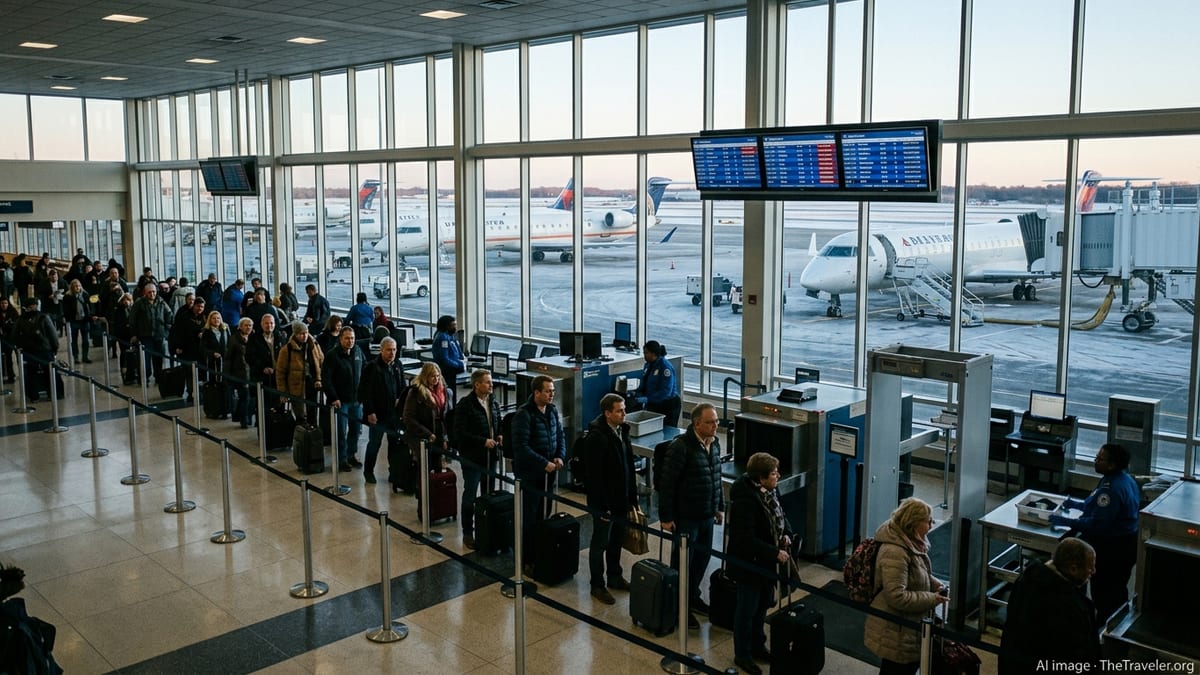
Regional Partners at the Center of a Disrupted Morning
Publicly available flight-tracking data and airport activity reports indicate that a concentrated wave of cancellations involving Republic Airways and Endeavor Air rippled through Richmond International Airport, disrupting departures to major hubs and unraveling connections across the United States. The two regional operators fly under the banners of large mainline carriers, meaning a single canceled regional leg often breaks an entire chain of onward journeys.
Republic Airways operates as American Eagle, Delta Connection, and United Express, while Endeavor Air serves exclusively as Delta Connection. Industry documents show that route selection, schedules, and pricing for these flights are controlled by their mainline partners, yet the regional affiliates provide the aircraft, crews, and day-to-day operation of the services. When those operations seize up, the effects are quickly felt at smaller and mid-sized airports like Richmond.
At Richmond, this structural dependence on regional partners left passengers facing abrupt gate-screen changes from “on time” to “canceled,” along with rolling delays as crews and aircraft were repositioned. Travelers bound for large hubs such as Atlanta, New York, Chicago, and Washington reported missed connections, rebookings stretching into the next day, and difficulty securing seats on already crowded alternative flights.
The turmoil unfolded against a broader backdrop of strain in the regional airline sector, where staffing, aircraft availability, and tight utilization schedules leave little margin for error. Observers note that once a handful of early-morning flights cancel or depart late, the disruption can compound for hours as aircraft and flight crews fail to arrive where the schedule assumes they will be.
Knock-On Effects Across National Networks
The cancellations at Richmond did not occur in isolation. Recent aviation coverage has documented a series of disruptive episodes at major hubs, including substantial cancellation spikes at Chicago O’Hare and Washington Dulles, driven largely by the same tier of regional carriers that connect smaller cities to national and international networks. Those events exposed how quickly localized problems can cascade into widespread travel headaches.
In practice, Richmond’s role as a spoke feeding larger airline hubs means that a canceled regional departure is often the first visible symptom of stress emerging elsewhere in the system. If mainline carriers are managing tight turnarounds at their hubs, any imbalance in crew resources, maintenance availability, or weather-related flow control can lead to regional legs being cut or delayed in order to protect longer-haul services.
For passengers, the effect is the same regardless of the root cause: boarding passes suddenly invalid, connection times erased, and customer-service counters flooded. Reports from recent disruptions at other airports suggest travelers often discover that their entire multi-stop itinerary hinges on a single regional hop, such as a Richmond-to-hub sector operated by Republic or Endeavor. When that flight disappears from the board, rebooking may require rerouting through different hubs or even switching airlines.
With the summer travel period now underway, analysts warn that any renewed wave of thunderstorms, air traffic control constraints, or technical outages could again push regional carriers over the edge, particularly in the busy corridor of East Coast and Midwestern hubs that handle much of Richmond’s connecting traffic.
Structural Vulnerabilities in the Hub-and-Spoke Model
The events at Richmond highlight the underlying fragility of the hub-and-spoke architecture that still defines much of U.S. domestic aviation. Under long-standing capacity-purchase agreements, regional carriers like Republic and Endeavor supply aircraft and crews while flying exclusively under the brands of major airlines. Revenue flows to the mainline carriers, while the regionals receive fixed payments tied to completed flights and performance metrics.
This model enables large airlines to serve smaller markets with frequent service, but it can also create concentrated points of failure. When pilot or maintenance staffing is tight, regional operators have limited flexibility to absorb schedule shocks. If aircraft or crews end up out of position because of earlier delays, subsequent flights from secondary airports can be cut from the schedule with little warning.
Regulatory filings and airport master plans for Richmond show that regional jets make up a significant portion of the airport’s commercial operations. With limited gate capacity and a schedule that banks numerous departures around peak connection windows, even a modest cluster of cancellations can quickly congest terminal areas and ticket counters, as passengers from multiple scrapped flights compete for a finite number of available seats later in the day.
Aviation commentators note that these vulnerabilities are not unique to Richmond. Recent studies of transportation resilience in the broader Washington and mid-Atlantic region point to mounting pressure on passenger infrastructure, with regional airports particularly exposed when airlines reduce slack in their systems in pursuit of efficiency.
Passenger Experience: Long Lines, Limited Options
For affected travelers, the Richmond disruptions translated into long queues at check-in halls and customer-service desks, as well as crowded seating areas filled with passengers waiting for updates. Social media posts from similar recent incidents at nearby airports show passengers attempting to manage last-minute changes through airline apps, call centers, and gate agents, often encountering conflicting information as schedules shift in real time.
Because Republic and Endeavor flights are sold under the flight numbers of their mainline partners, many passengers are unaware they are booked on a regional-operated service until a cancellation occurs. At that point, they must navigate differing policies on rebooking, vouchers, and accommodations, which can vary based on whether the disruption is categorized as within the airline’s control, weather-related, or the result of air traffic restrictions.
Travel advocates note that federal rules generally entitle passengers to refunds when flights are canceled and travelers choose not to fly, while separate customer-service commitments published by many airlines outline meal vouchers, hotel coverage, or confirmed seats on the next available flight in certain circumstances. In practice, however, the speed and clarity with which these remedies are provided can differ significantly from airport to airport and carrier to carrier.
At Richmond, the mix of mainline and regional operations added another layer of complexity, particularly for passengers connecting to or from international services via large hubs. Missed onward flights can trigger passport, visa, and onward-booking complications, leaving travelers with difficult decisions about whether to push journeys back by a day or attempt creative reroutes through alternative gateways.
What the Meltdown Signals for Summer Travelers
The Richmond episode serves as an early-season warning for travelers planning trips in the coming weeks. Publicly available data on recent disruptions at multiple U.S. airports suggest that regional carriers remain a pressure point in the national aviation system, especially on routes feeding major connecting hubs.
Analysts observing these patterns recommend that passengers departing from regional and mid-sized airports build additional buffer time into itineraries that rely on tight domestic connections. Choosing earlier departures, avoiding last flights of the day where possible, and monitoring itineraries closely in the 24 hours before travel can help reduce the risk of becoming stranded if cascading cancellations reappear.
For airport operators and policymakers, Richmond’s rough day underscores the importance of contingency planning and clear communication. Airport emergency and delay-management plans typically call for coordination with airlines, ground handlers, and government partners when large numbers of passengers are disrupted, with an emphasis on providing timely information, basic amenities, and accessible channels for assistance.
While the immediate operational shock at Richmond has begun to ease, the incident underscores how quickly normal schedules can unravel when regional airlines face simultaneous pressure from weather, staffing, or network constraints. With the broader U.S. system already stretched by peak-season demand, the latest meltdown at a key Virginia gateway is likely to intensify scrutiny of how mainline carriers and their regional partners manage resilience in the months ahead.