

More news on this day
Train service through Walnut Creek’s busy Bay Area Rapid Transit station was halted after an apparent collision involving a person on the tracks, disrupting evening commutes and raising fresh concerns about safety and reliability on one of the system’s key suburban hubs.
Get the latest news straight to your inbox!
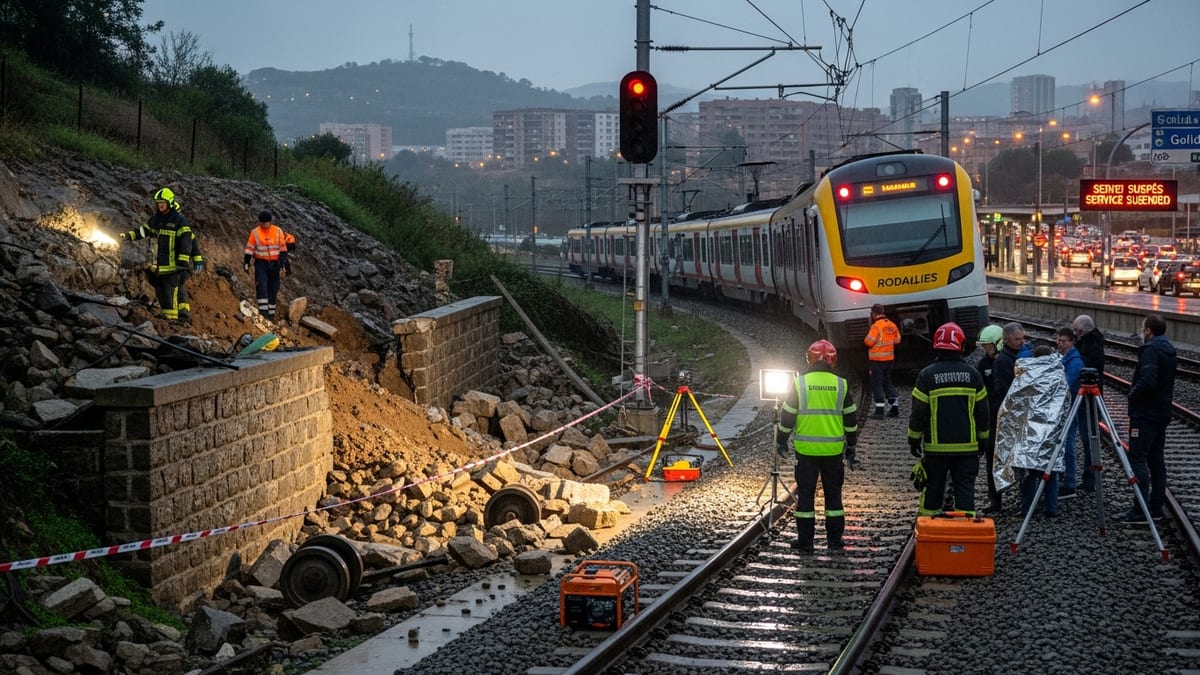
Service suspension and initial reports
According to early coverage from Bay Area news outlets, trains were stopped in both directions at Walnut Creek station following reports that a person had been struck by a train. Initial information described an apparent collision on or near the station platform area, prompting an immediate halt to service as emergency responders accessed the tracks and cordoned off part of the facility.
Publicly available transit updates indicated that trains on the Antioch to San Francisco line were being held outside the station or turned back short of Walnut Creek while the situation was assessed. Riders reported crowded platforms at neighboring stations and significant gaps between trains as dispatchers worked to reroute service around the affected segment.
Local coverage described a heavy emergency presence in and around the elevated station structure, which sits just off Interstate 680 and serves as one of the primary gateways between central Contra Costa County and the San Francisco and Oakland job centers. The disruption unfolded during a period of steady weekday ridership, heightening the impact on commuters and travelers headed toward evening activities in the region.
As of the latest updates available at the time of writing, details about the person involved and the exact sequence of events had not been fully clarified in public reporting, and transit bulletins were emphasizing that service remained disrupted while crews worked in the trackway.
Impact on riders and regional travel
The stoppage at Walnut Creek quickly rippled across the broader BART network. With trains no longer moving through the station, riders bound for Concord and other eastern Contra Costa communities faced unexpected delays and, in some cases, were advised to exit at earlier stations and seek alternate transportation. For travelers heading west toward Oakland and San Francisco, reduced train frequencies and intermittent station closures added uncertainty to the evening rush.
Published service alerts and local traffic reports indicated that nearby roads experienced heavier congestion as some passengers shifted to rideshare services or personal vehicles. Walnut Creek station is surrounded by large parking structures and freeway access ramps, and any disruption in rail operations often translates into increased vehicle traffic on Ygnacio Valley Road, North Main Street, and the I-680 and Highway 24 corridors.
The station also functions as a key transfer point for local and regional buses, including County Connection routes serving Rossmoor, Shadelands, downtown Walnut Creek, and neighboring communities. With rail service halted or reduced, these bus connections became especially important, yet they were themselves subject to crowding and delays as passengers adjusted plans on short notice.
Social media posts and rider forums captured a familiar mix of frustration and resignation from passengers caught in the disruption. Some described missed appointments and extended trip times, while others focused on the human toll of an incident involving a person on the tracks, expressing concern for those directly affected.
Safety context at Walnut Creek station
Walnut Creek is one of BART’s older suburban stations, opened in the early 1980s and built on an elevated alignment above a busy commercial district. Public documents describing the station layout highlight multiple stairways, escalators, and elevator connections from street level to the fare gates and platforms, as well as extensive parking areas and bus bays clustered around the structure.
Regional transportation planning reports note that incidents involving people on the tracks, whether accidental or intentional, are a recurring challenge across the BART system and other rail networks. While collisions are relatively rare compared with the total number of daily trips, each episode prompts a full shutdown of the track segment involved, both to allow emergency access and to preserve the scene for any subsequent inquiry.
In recent years, agencies and advocacy groups have pointed to a range of measures used in rail systems worldwide to reduce track intrusions, from full-height platform screen doors to increased station staffing, targeted public education campaigns, and expanded behavioral health outreach. BART has explored some of these options in planning studies, while also investing in upgraded train control and monitoring technology intended to improve overall safety and reliability.
Walnut Creek’s role as a major suburban park-and-ride hub means that any serious incident at the station can affect thousands of daily riders. The latest collision reports are likely to renew local discussions about how best to balance open, accessible station design with added protections that can deter or prevent access to the trackway.
Alternatives and guidance for travelers
When service is interrupted at Walnut Creek, riders often rely on a mix of alternate rail routing, bus connections, and regional transit options. Publicly available BART guidance encourages travelers to consider nearby stations such as Pleasant Hill to the north or Lafayette to the west when closures or delays make Walnut Creek difficult to access.
Regional bus networks provide another layer of redundancy. Transit maps show several County Connection lines linking Walnut Creek to Concord, Pleasant Hill, Danville, and other communities, with schedules adjusted periodically to better match BART’s operating hours. During unplanned incidents, riders may face longer waits or crowded vehicles, but these services can still offer a path around localized rail stoppages.
In addition, Bay Area transit resources highlight transbay buses and ferries that can substitute for BART in some travel patterns, particularly for passengers whose primary goal is to reach downtown San Francisco. While these options may require careful timing and additional transfers, they can provide a degree of resilience when a critical node like Walnut Creek is temporarily out of service.
For travelers in the immediate aftermath of the reported collision, the most consistent advice in public service updates was to check real-time information before beginning a trip, allow extra time for connections, and be prepared to adjust routes based on evolving conditions at the station.
Ongoing questions about reliability and rider confidence
The apparent collision and resulting shutdown at Walnut Creek arrives at a moment when BART is already under scrutiny for its long-term financial outlook and service reliability. Public reporting on regional transit funding debates has frequently cited high-profile disruptions as a factor influencing rider confidence and future ridership growth.
While many of the most serious incidents involve circumstances beyond the immediate control of transit staff, each new disruption at a major hub adds to a cumulative sense of instability for regular riders. For commuters who depend on consistent trip times to reach workplaces, schools, or medical appointments, unexpected stoppages can contribute to decisions about whether to continue relying on rail service or seek alternatives.
At the same time, transportation planners and safety advocates point out that rail remains one of the safest ways to travel on a per-passenger basis, and that incidents involving people on the tracks, though deeply concerning, represent a small fraction of total system activity. They argue that sustained investment in infrastructure, station design improvements, and coordinated mental health and social services can further reduce risks while preserving the accessibility that makes transit a vital part of the Bay Area’s mobility network.
As more detailed information about the Walnut Creek incident becomes available through public channels, attention is likely to focus both on the specific circumstances of the collision and on the broader strategies needed to ensure that one of the region’s busiest suburban stations can operate safely and reliably for years to come.