


More news on this day
Riyadh Air has launched direct services between Riyadh and Bangkok, marking a new phase in tourism ties between Saudi Arabia and Thailand as both countries compete for regional travel growth.
Get the latest news straight to your inbox!
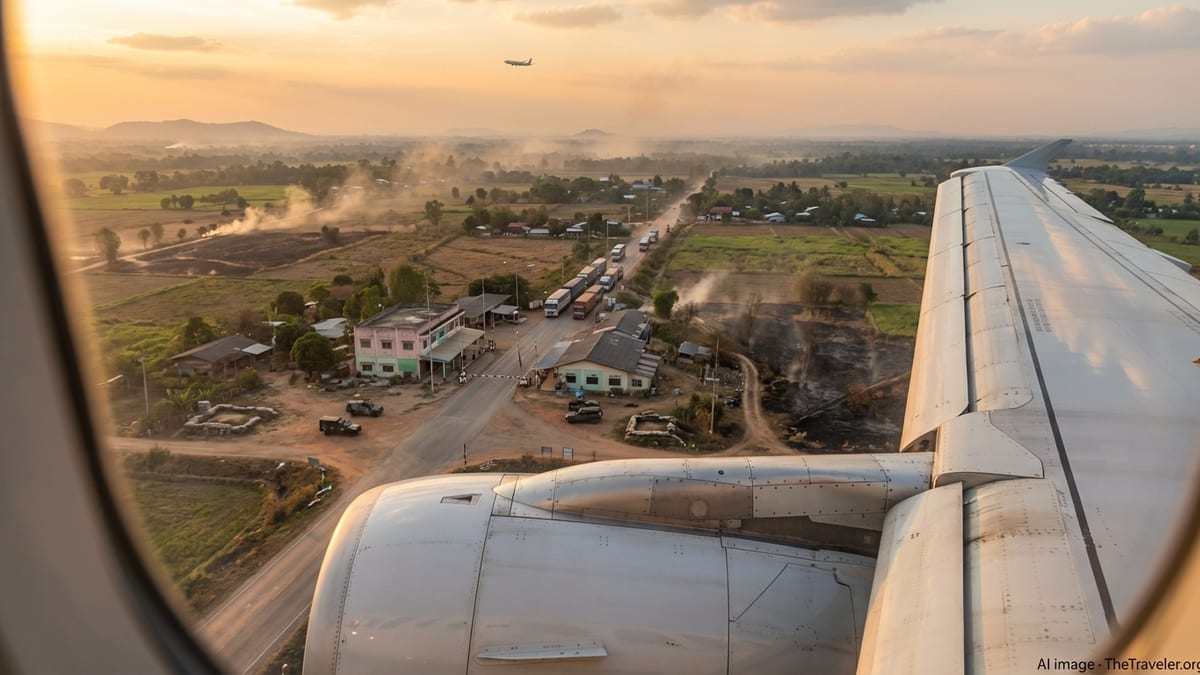
New Direct Route Connects Two Fast-Growing Tourism Hubs
The new Riyadh–Bangkok service places Thailand firmly on the map for the Saudi start-up carrier, which is positioning Riyadh as a global hub. Riyadh Air’s published route map now lists Bangkok among its initial international destinations, highlighting the Thai capital’s importance for both leisure and connecting traffic across Asia.
According to recent coverage from Thai media, the route is being launched with three weekly flights between King Khalid International Airport and Bangkok’s main Suvarnabhumi Airport. Reports indicate that tourism authorities on both sides are treating the service as a strategic link intended to grow visitor numbers and facilitate broader economic cooperation.
The timing aligns with an aviation rebound in Southeast Asia and with Thailand’s ongoing efforts to restore international arrivals after the pandemic. Tourism has historically accounted for a significant share of Thailand’s GDP, and policymakers are looking to diversify source markets beyond traditional visitors from East Asia and Europe.
For Saudi Arabia, the new route contributes to its ambition to build a major global transfer hub in Riyadh, complementing wider investments in airports, tourism infrastructure and hospitality as part of its long-term economic transformation plans.
Diplomatic Reset Sets the Stage for Tourism Expansion
The direct connection comes just a few years after Thailand and Saudi Arabia fully restored diplomatic relations in early 2022, ending a three-decade freeze. Public information from both governments shows that the normalization quickly led to new agreements in trade, labour and tourism, as well as the lifting of long-standing travel restrictions between the two countries.
Thai government data indicates that bilateral investment flows have risen since ties were restored, and tourism is a central part of this renewed engagement. Official figures from Thailand’s public relations agencies show that the country welcomed more than 96,000 Saudi visitors in 2022, with expectations for further growth in 2023 and beyond as flight capacity expanded.
On the Saudi side, the Ministry of Tourism has steadily widened access for foreign visitors through an e-visa system covering dozens of countries, including Thailand. Saudi Arabia’s official news agency reported in late 2023 that Thailand was among the nations added to its visitor e-visa list, allowing Thai residents to apply online for leisure, business and religious travel.
This parallel liberalization of travel regimes has made it easier for citizens of both countries to visit each other, setting a supportive policy backdrop for new nonstop services like the Riyadh Air Bangkok route.
Passenger Demand Builds on Earlier Carriers and Visa Changes
The Riyadh–Bangkok launch builds on a trend that has been developing over the past two years. Earlier, other airlines had already introduced direct flights linking the Saudi capital and Thailand, creating a proof of concept for the market. Industry presentations from the Tourism Authority of Thailand list a regular Riyadh–Bangkok connection in the summer 2024 schedule, with additional frequencies planned for the winter season.
Visa reforms have helped underpin that demand. Thai government portals outline expanded visa exemption policies for a large group of countries, including Saudi Arabia, allowing eligible visitors to stay in Thailand for up to 30 days for tourism. Separate guidance from Thailand’s Ministry of Foreign Affairs notes that a bilateral memorandum on visa exemptions for diplomatic and official passports with Saudi Arabia took effect in late 2023, reducing friction for official visits and high-level exchanges.
For Thai travellers, Saudi Arabia’s rollout of an online visitor visa has made it considerably easier to reach key Saudi destinations such as Riyadh, Jeddah and the Red Sea coast. Saudi tourism reports show that the country surpassed 100 million annual visitors in 2023, several years ahead of its Vision 2030 target, underscoring the broader demand environment into which the Riyadh–Bangkok route is being launched.
Analysts of the Thai economy have also highlighted the importance of diversifying inbound tourism markets. Research on Thailand’s outlook for 2025 notes that new and expanded routes from the Middle East, including additional services from Saudi Arabia, are expected to support the next leg of tourism recovery.
Strategic Gains for Airlines, Tourism Boards and Travelers
For Riyadh Air, adding Bangkok strengthens its positioning in the competitive Southeast Asia market and offers feed from Thailand into its planned long-haul network. Publicly available information on the airline’s strategy describes an ambition to serve more than 100 destinations across six continents, using Riyadh as a connecting hub between Asia, Europe and Africa.
Bangkok is one of Asia’s busiest international gateways, with Suvarnabhumi Airport handling tens of millions of passengers each year. The new flights are expected to offer Saudi-based travellers a direct link not only to Thailand’s capital but also to its network of domestic destinations, from Phuket and Krabi to Chiang Mai, via same-day connections on Thai and regional carriers.
Tourism organizations in both countries are using the route’s launch as an opportunity to promote tailored offerings. Reports from Thai tourism channels highlight a focus on attracting high-spending visitors from the Gulf, emphasizing wellness, shopping and family travel. In parallel, Saudi Arabia is positioning itself to Thai travellers as a destination for cultural tourism, religious visits and new coastal resorts on the Red Sea.
Travel industry observers expect that competition on the Riyadh–Bangkok corridor, including services from other Gulf and regional airlines, could keep fares competitive while expanding schedule choices. This may further stimulate two-way traffic, particularly during peak holiday periods and major religious seasons.
Outlook: Deeper Connectivity and Broader Economic Links
The launch of Riyadh Air’s Bangkok service is being widely interpreted in the region’s travel press as a sign that Thai–Saudi ties have moved from symbolic normalization to practical connectivity. With direct air links now available on multiple carriers, both countries are better positioned to convert diplomatic momentum into sustained visitor flows.
Thai tourism authorities have publicly stated ambitions to raise arrivals from the Middle East, while Saudi planners seek to boost the number of international tourists visiting the Kingdom for non-pilgrimage travel. Increased capacity between Riyadh and Bangkok aligns with both sets of goals and may encourage joint marketing campaigns, trade events and investment in hospitality projects catering to visitors from each other’s markets.
Looking ahead, travel planners will be watching load factors and seasonal demand patterns on the new route, particularly during Thailand’s high season and key Saudi holiday periods. If the service performs strongly, it could pave the way for added frequencies or secondary Thai destinations, further embedding the partnership in the region’s aviation and tourism landscape.
Industry data and policy moves on both sides indicate that this is unlikely to be a one-off development. Instead, Riyadh Air’s direct Bangkok flights appear to be part of a broader shift toward closer Thai–Saudi tourism cooperation and more diversified visitor flows across Asia and the Middle East.
Riyadh Air route map and destinations
Nation Thailand coverage of Riyadh–Bangkok launch
Saudi Gazette report on restoration of Thai–Saudi relations