


More news on this day
A major rockslide in Colorado’s Clear Creek Canyon has shut a key stretch of U.S. Highway 6, triggering a travel advisory this morning for drivers who rely on the scenic but narrow route between Golden and Black Hawk.
Get the latest news straight to your inbox!
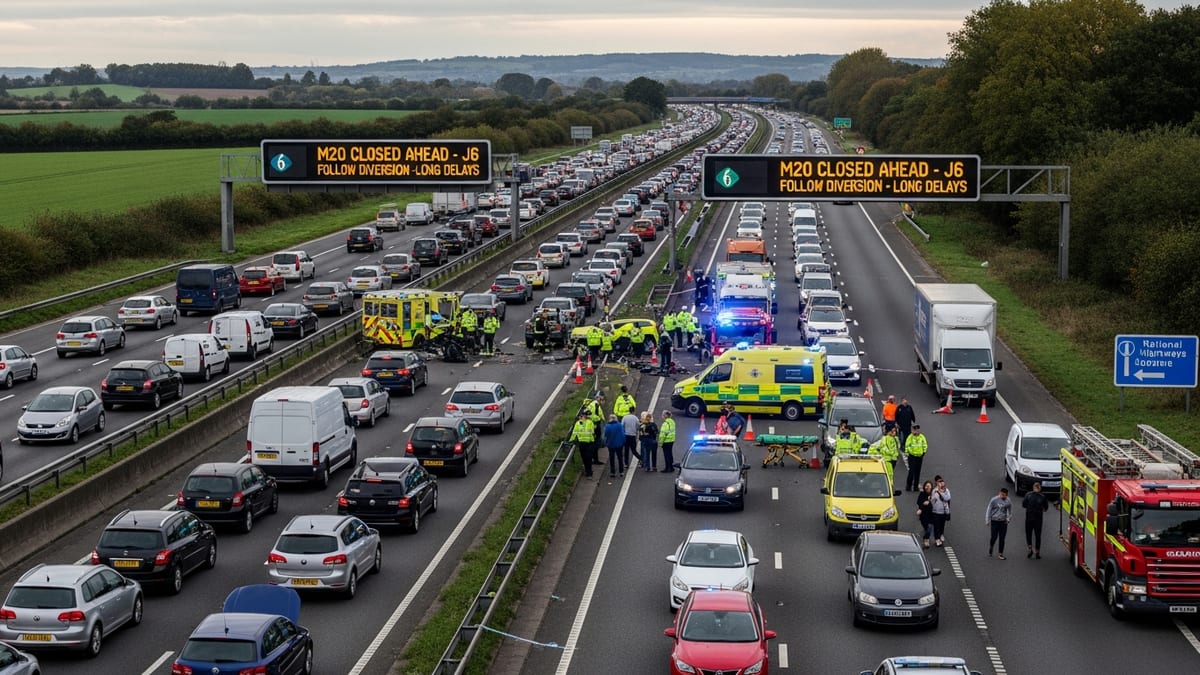
US 6 Shut Between Golden and Clear Creek Junction
Publicly available information from state transportation channels indicates that both directions of US 6 are closed through Clear Creek Canyon after rocks and mud tumbled onto the roadway west of Tunnel 3. The slide followed a period of heavy rain and has covered a significant portion of the highway, cutting off through traffic in a corridor that funnels commuters, casino visitors and outdoor travelers.
Coverage from regional news outlets describes multiple debris fields along the canyon floor, with boulders and loose material spread across the pavement. The closure stretches from the US 6 and State Highway 58 interchange near Golden to the junction with State Highway 119, affecting access to several canyon recreation areas as well as the primary route toward Black Hawk and Central City.
Initial assessments shared in official advisories characterize the event as a rockslide rather than a full hillside failure, but transportation crews are treating the corridor as unstable until specialists can complete safety checks. The timing at the height of the summer travel season significantly raises the impact on both local traffic and visitors.
Colorado transportation planners have routinely flagged Clear Creek Canyon as vulnerable to falling rock because of steep walls, freeze-thaw cycles and intense summer storms. The latest closure underscores how quickly conditions can change in narrow mountain corridors, even on otherwise dry days.
Stability Concerns Extend Closure Timeline
Road managers are indicating that US 6 is expected to remain closed for much of the day as teams work through both cleanup and geotechnical inspections. Crews are using heavy equipment to remove rock piles estimated to extend for more than 150 feet along the roadway, with depths reported to be several feet in some areas.
Specialist geohazard teams are also examining the canyon walls above the slide zone to identify any loose material that could still come down. This step typically involves visual inspection, scaling work to dislodge unstable rock, and in some cases the installation or repair of rockfall fencing. Until that screening is completed, transportation bulletins emphasize that there is a risk of additional debris reaching the highway.
The extended timeline reflects a focus on long term safety rather than a rapid, partial reopening. Even once initial debris is cleared, previous incidents in similar terrain have shown that secondary slides can occur as saturated slopes continue to settle. As a result, reopening is being framed as dependent on ongoing safety evaluations rather than a fixed hour on the clock.
For canyon residents and businesses, that means a day of disrupted deliveries and commutes. For travelers heading toward the high country, it means rethinking routes with little advance notice, highlighting the value of checking real time road conditions before leaving home.
Detours Shift Traffic to Interstate 70
Travel advisories point drivers to Interstate 70 as the primary alternative for moving between the Denver metro area and destinations such as Black Hawk, Idaho Springs and the Central City Parkway. For those starting in Golden, the most common workaround involves heading east or north to connect with I 70, then looping back west through the larger interstate corridor.
This detour keeps vehicles on higher capacity roads, but it concentrates more traffic into an interstate that already carries a heavy volume of commuter and recreational travel, particularly on summer mornings. Drivers can expect slower speeds near the usual pinch points, including the approaches to the Floyd Hill area and the segment between Golden and Idaho Springs.
Local roads that parallel the canyon are limited and generally not designed to handle a sudden influx of diverted highway traffic. Public notices are encouraging visitors to avoid relying on minor canyon side roads or neighborhood streets as ad hoc shortcuts, both for safety reasons and to reduce impacts on residents.
Transit connections in the immediate canyon corridor are also constrained while US 6 is closed. While regional bus and shuttle services along I 70 continue to operate, options to reach specific trailheads and climbing areas in Clear Creek Canyon are significantly reduced until normal traffic resumes.
Impact on Outdoor Recreation and Local Economy
Clear Creek Canyon is a high profile recreation area, drawing climbers, hikers, anglers and sightseers throughout the summer. The timing of the rockslide on a weekday morning still affects a substantial number of visitors, as many travelers schedule early departures to avoid afternoon storms and peak crowds.
Climbing access in particular is heavily dependent on pullouts and parking along US 6. With the highway closed, many of those access points are currently unreachable by vehicle. Guides, outfitters and local shops that serve canyon visitors are likely to see cancellations or schedule changes as travelers pivot to other Front Range destinations.
Casinos and entertainment venues in Black Hawk and Central City also feel the effects when their most direct connection to the Denver area is disrupted. While I 70 and State Highway 119 provide alternative approaches, the psychological impact of a closure and images of rock covered pavement can discourage some same day trips, especially from casual visitors.
At the same time, the event renews an ongoing conversation about the resilience of mountain transportation networks in the region. As traffic volumes rise and extreme weather events become more frequent, the balance between keeping scenic byways open and managing rockfall hazards continues to challenge planners and communities.
Advice for Drivers Planning Mountain Trips
Travel advisories for US 6 are being issued alongside broader reminders for drivers heading into Colorado’s high country at the height of summer. Public guidance stresses the importance of checking statewide road condition maps and traffic cameras, especially for routes that run through canyons or tight mountain passes where alternatives are limited.
Motorists are encouraged to allow extra travel time today and to build flexibility into their plans in case the closure of US 6 through Clear Creek Canyon is extended or additional restrictions are required. In practice, that can mean choosing departure times outside of the busiest morning and late afternoon windows, carrying extra water and supplies, and identifying at least one backup route before starting a trip.
Travel safety campaigns in Colorado also repeatedly warn drivers not to stop or turn around within narrow canyon sections when confronted with a sudden closure. Instead, the safest option is to proceed to designated turnaround points or use marked exits to rejoin larger highways such as I 70.
With cleanup and inspections still underway, today’s closure of US 6 is a reminder that conditions in mountain corridors can change quickly. For travelers, staying informed and remaining flexible are key to navigating unexpected disruptions while crews work to restore one of the Front Range’s most heavily used canyon routes.