


More news on this day
Major Russian aviation hubs in Moscow and St. Petersburg have reported 159 delayed flights and 26 cancellations in a single day, disrupting thousands of passengers and underscoring mounting operational strains across the country’s air network.
Get the latest news straight to your inbox!
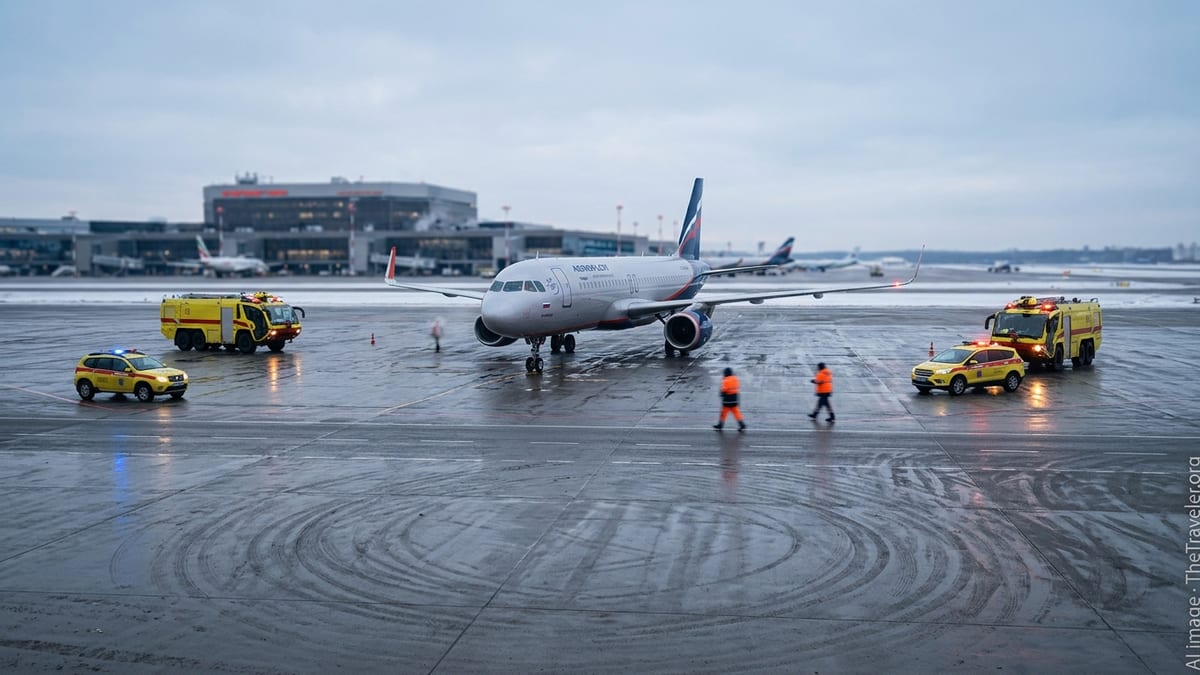
Operational Turmoil at Sheremetyevo and Pulkovo
Publicly available airport data and industry reports indicate that Sheremetyevo International Airport in Moscow and Pulkovo Airport in St. Petersburg collectively registered 159 delays and 26 flight cancellations within the latest 24-hour reporting window. The disruptions affected a mix of domestic and international services, impacting travelers at two of Russia’s busiest gateways.
According to published coverage from travel and aviation outlets, Sheremetyevo accounted for the largest share of irregular operations, with the majority of delays and more than half of the cancellations. Pulkovo, the primary air hub for northwest Russia, also reported a significant number of affected flights as tight aircraft rotations and congested schedules left little room to absorb disruptions.
The irregular operations created crowded terminals, repeated schedule changes on departure boards, and long waits at check-in and security. Passengers connecting onward through Moscow or St. Petersburg faced missed connections and rapid rebooking, with some journeys extended by many hours or shifted to the following day.
Airlines most exposed to Russia’s domestic and regional network, including national and regional carriers operating from both hubs, appeared to bear the brunt of the delays. Industry commentators note that carriers have increasingly resorted to rescheduling and proactive cancellations to prevent cascading knock-on effects across their networks.
Weather, Airspace Restrictions and Systemic Strain
The latest wave of delays comes amid a broader pattern of strained operations across Russian aviation in 2026. Earlier in the year, heavy snow and strong winds in Moscow triggered widespread schedule disruptions and forced airports to operate with extended de-icing times and reduced runway capacity. Similar episodes in St. Petersburg have seen banks of departures pushed back as airfield crews work to keep taxiways and runways clear.
Beyond weather, repeated security-related airspace restrictions have periodically halted or slowed operations at Moscow-area and St. Petersburg airports. Previous shutdowns at Sheremetyevo, Vnukovo and Pulkovo have shown how quickly temporary suspensions can ripple through the system, leaving aircraft and crews out of position and compressing already tight turnarounds when flying resumes.
Insurance and risk-analysis data cited in Russian business coverage indicate that lengthy delays and cancellations have risen sharply year on year, with delays of two hours or more and cancellations following initial delays both increasing. Analysts attribute this trend to a combination of infrastructure pressure, airspace constraints, and tighter fleet availability.
For travelers, the result is a network that is more vulnerable to sudden shocks. A single episode of heavy snowfall, a burst of congestion, or an unexpected restriction on arrivals and departures can quickly translate into dozens of delayed or canceled flights at Moscow and St. Petersburg hubs.
Impact on Travelers and Domestic Tourism
The spike of 159 delays and 26 cancellations adds to a growing list of disruptions that have reshaped travel decisions within Russia. Trade bodies monitoring tourism trends report that demand for domestic air travel has softened in recent weeks, with some travelers citing concerns about persistent delays, airport closures and schedule volatility.
Accounts shared through local media and online forums describe families and business travelers facing extended airport stays, unscheduled overnight stops and complicated rebooking processes. In some cases, travelers heading to Russia’s southern resorts or returning from overseas holidays have reported being stranded for several days while waiting for available seats on replacement flights.
Industry observers note that such experiences can have a lasting effect on traveler behavior. Some passengers are opting for alternative routes or different modes of transport where possible, while others are building longer buffers into their itineraries, arriving earlier to connecting cities or scheduling important meetings a day after planned arrival.
Tourism associations warn that, if irregular operations persist at current levels, peak holiday seasons could see mounting dissatisfaction among both domestic and inbound visitors. Hoteliers and tour operators are already factoring in a higher probability of late arrivals and last-minute cancellations when planning transfers and check-in logistics.
How Airlines and Airports Are Responding
Airlines operating from Sheremetyevo and Pulkovo have been adjusting schedules, consolidating lightly booked flights and, in some cases, cancelling services earlier in the day to avoid late-night backlogs. Publicly available operational data show that more carriers are choosing to preemptively trim rotations when conditions deteriorate, rather than allowing delays to accumulate across multiple sectors.
Airports, for their part, have highlighted investments in ground-handling capacity and winter operations, including expanding de-icing fleets, increasing the number of staff on peak shifts and refining traffic management plans during periods of constrained airspace. Earlier episodes of heavy snow in Moscow and St. Petersburg prompted temporary reinforcement of ground crews and deployment of additional equipment to keep runways operational.
Aviation analysts following Russia’s market argue that such measures may mitigate, but not fully offset, the structural challenges currently weighing on the country’s air transport system. Limited fleet flexibility, regulatory constraints on international operations and recurring security-related restrictions can all compound the impact of even routine operational issues.
Nonetheless, experts note that airlines are gradually refining their contingency planning. By cancelling chain-delayed flights earlier, adjusting aircraft rotations and prioritizing heavily trafficked routes, carriers aim to reduce the number of passengers left waiting in terminals when large disruption events occur.
What International and Domestic Travelers Should Expect
For travelers planning journeys through Moscow and St. Petersburg in the coming weeks, the latest figures from Sheremetyevo and Pulkovo serve as a cautionary signal. Travel specialists recommend allowing generous connection times, particularly when itineraries involve separate tickets or low-cost carriers that do not automatically protect onward segments.
Passengers are also advised, in publicly available guidance, to monitor airline apps and airport information boards closely on the day of departure, as departure times at Russian hubs can shift repeatedly in short increments. For those traveling long-haul to or from Russia, selecting schedules with earlier arrivals in connecting cities can provide a buffer if outbound flights from Moscow or St. Petersburg are delayed.
Travelers with fixed commitments, such as cruises, rail departures or major events, may wish to build at least one extra day into their itineraries in case of disruption. Travel insurance policies that explicitly cover missed connections and long delays are also receiving renewed attention among passengers booking trips involving Russian airports.
With 159 delays and 26 cancellations recorded in a single day at Sheremetyevo and Pulkovo, the latest disruptions highlight how sensitive Russia’s aviation system remains to a range of operational stresses. For now, both domestic and international travelers transiting through Moscow and St. Petersburg are planning with more caution, additional time and, increasingly, a backup plan.