

More news on this day
A Ryanair flight due to arrive in Liverpool has been delayed by more than 16 hours, according to multiple reports, leaving passengers facing an unexpected overnight disruption and renewed questions over how long delays are communicated and managed.
Get the latest news straight to your inbox!
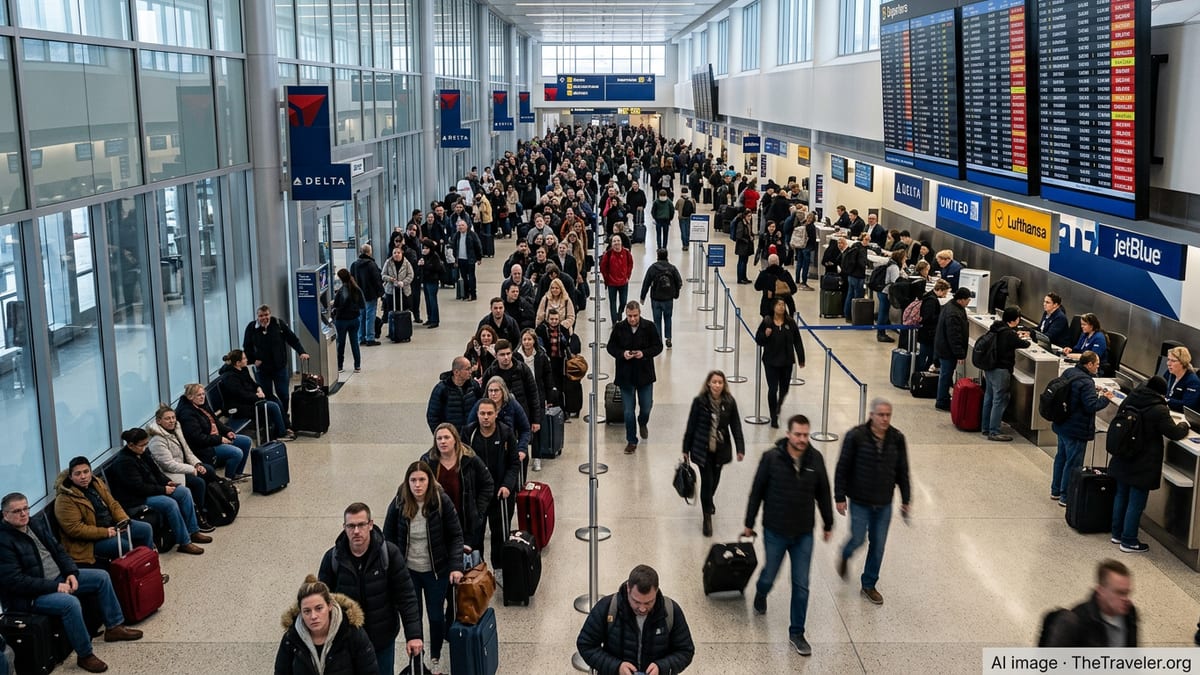
Long delay leaves passengers facing overnight disruption
Reports indicate the Liverpool-bound service was originally scheduled to operate on Sunday, with passengers expecting to land later that same day, but departure was repeatedly pushed back until the flight eventually left the following day. The total disruption exceeded 16 hours, placing the delay among the more severe schedule interruptions seen on short-haul European routes in recent months.
Travellers posting on social media described long periods of waiting with limited information, frequent changes to departure estimates and uncertainty over whether the flight would eventually depart or be cancelled. Some said they chose to abandon their trip altogether rather than continue to wait through the rolling delays.
Publicly available flight-tracking data for the service show a pattern of serial rescheduling, with the aircraft ultimately departing many hours after its planned slot. While such extended delays remain rare compared with shorter disruptions of one or two hours, they tend to attract heightened attention because passengers are more likely to be stranded away from home or forced to rearrange accommodation and onward travel.
Ryanair issues statement citing operational disruption
In a statement released after the incident, Ryanair acknowledged the lengthy delay and apologised to affected customers. The airline said the disruption was linked to operational issues outside the Liverpool route itself, pointing to knock-on effects from an earlier rotation that left the aircraft and crew out of position for the scheduled service.
The company said passengers were offered rebooking options on the next available flights and could request refunds if they chose not to travel. Ryanair also stated that it had provided care and assistance in line with applicable regulations, including vouchers for refreshments and help arranging accommodation for those who needed to stay overnight.
The carrier added that while it aims to operate its schedule as planned, factors such as air traffic control restrictions, weather at earlier destinations and crew working-time limits can combine to create significant delays when an aircraft is already running behind schedule. According to the airline’s published customer commitments, minimising knock-on disruption and restoring normal operations quickly are described as key priorities when such events occur.
Passenger rights under UK261 and EU261 rules
The incident has drawn renewed attention to the protections available to air travellers under UK and European regulations governing delays and cancellations. Under UK261 and EU261, passengers on flights departing from the United Kingdom or European Union are entitled to care such as meals, refreshments and communication assistance once delays exceed certain thresholds, typically starting at two hours depending on distance.
For longer disruptions, including those exceeding five hours, passengers who decide not to travel may be entitled to a refund of the unused portion of their ticket, as well as a return flight to their original point of departure where applicable. In cases in which an overnight stay becomes necessary, airlines are expected to provide or reimburse reasonable hotel accommodation and associated transport between the airport and hotel.
Financial compensation can also be payable when flights arrive three hours or more late at their final destination, provided the delay is not caused by what the regulations describe as extraordinary circumstances beyond the airline’s control, such as severe weather or certain types of air traffic control restrictions. In practice, disputes can arise over whether the underlying cause of a disruption falls within this definition, particularly when delays originate from complex chains of operational events.
Scrutiny of delay handling and communication
The Liverpool-bound delay comes amid wider scrutiny of how low-cost carriers handle significant disruptions and communicate with passengers. Consumer advocates argue that timely, accurate updates are as important as the practical support provided, particularly when delays stretch into the night and affect families, older travellers or those with connections that cannot be rebooked easily.
Recent cases highlighted in consumer forums and travel coverage have pointed to inconsistencies in how delay reasons are described in different channels, from app notifications to formal responses in compensation claims. These discrepancies can have implications for whether passengers qualify for fixed-sum compensation under statutory regimes.
Ryanair has previously stated in general policy documents that it complies with all obligations under UK261 and EU261 and that it provides care, refunds or re-routing options where required. The airline also encourages customers to use its official channels to submit claims and upload receipts when seeking reimbursement for hotels, meals or alternative transport purchased during long delays.
What affected travellers can do next
For passengers on the heavily delayed Liverpool flight, the next step typically involves gathering evidence such as boarding passes, booking confirmations and screenshots of any notifications that indicate the timing and cause of the disruption. This documentation can support requests for refunds, reimbursement of expenses or statutory compensation where eligibility criteria are met.
Travel specialists generally advise passengers to submit claims directly through the airline’s online forms in the first instance, retaining copies of all correspondence. If a claim is rejected and the traveller believes regulations have been misapplied, it may be possible to escalate the case to an alternative dispute resolution body or the relevant national enforcement authority, depending on where the flight originated.
While lengthy delays of more than 16 hours remain the exception rather than the rule on busy European routes such as Liverpool, the episode underscores how disruptive a single severely delayed service can be for those on board. It also highlights the ongoing importance of clear communication, consistent explanations and full compliance with passenger rights frameworks when schedules unravel.