


More news on this day
Recent attacks on airports in Saudi Arabia, including a strike that killed two people linked to falling drone debris near a key oil facility, have triggered fresh travel warnings and renewed concerns over aviation safety in the Gulf kingdom.
Get the latest news straight to your inbox!
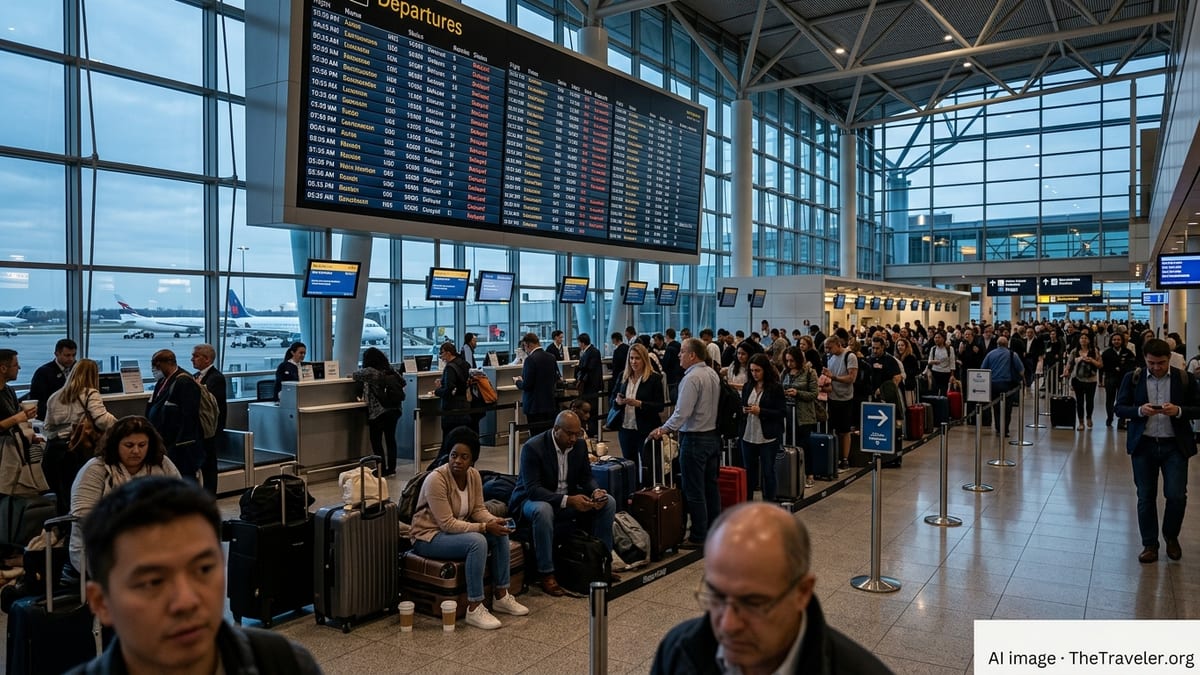
Latest attacks on Saudi aviation and oil infrastructure
Publicly available information from regional media and international outlets shows that Saudi Arabia has faced a series of serious security incidents affecting both its airports and energy sites during October 2026. The deadliest involved multiple missile and drone strikes on Riyadh’s King Khalid International Airport earlier in the month, killing more than a dozen people and injuring hundreds, including foreign nationals. Separate reports indicate that at least two foreign workers died when debris from an intercepted drone fell near the Shaybah oil field in the kingdom’s southeast.
On October 21, attention shifted to the country’s eastern Gulf coast when an attack on King Fahd International Airport near Dammam killed one resident and injured several others, according to initial casualty tallies cited in international coverage. The strike underscored that the threat now reaches beyond the capital region, affecting airports that serve as important hubs for both domestic and regional traffic.
These incidents form part of a broader escalation linked to Yemen’s Houthi movement, which has publicly claimed responsibility for several recent strikes on Saudi territory, including the high-casualty attack on Riyadh’s main airport. The group has warned that Saudi airports and airspace are considered military targets, prompting concern among airlines, insurers and travelers who rely on the country’s role as a major transit and pilgrim gateway.
While Saudi aviation authorities report that flight operations are gradually resuming at affected airports after temporary closures, damage to terminal infrastructure, aircraft and runways has caused delays, diversions and cancellations. Local media coverage also highlights visible increases in security checks and military activity in the skies above major cities.
New government travel advisories and risk assessments
In the wake of the Riyadh airport strike and subsequent attacks, several governments have updated their advice for citizens considering travel to or through Saudi Arabia. The United States recently elevated its advisory for the kingdom to a Level 3 “Reconsider travel,” citing the risk of missile and drone attacks on airports and other critical infrastructure, as well as potential disruptions to air traffic and access restrictions around key facilities.
The updated U.S. guidance notes that government employees in Saudi Arabia now require special authorization to use any airport in the country, reflecting a more cautious stance toward domestic flight movements. Travelers are urged to remain aware of the security environment, monitor commercial flight status closely, and be prepared for sudden changes in airport operations or airspace closures.
The United Kingdom has also revised its travel advice for Saudi Arabia, adding specific references to the recent strike on King Khalid International Airport and warning of an ongoing threat from terrorism targeting aviation. Official pages highlight that the Riyadh airport has been struck multiple times in October and stress that further attacks are considered possible. Travelers are encouraged to check with airlines before departure and to factor potential delays and diversions into their itineraries.
Other governments, including several in Europe, the Gulf and Asia-Pacific, have issued security alerts or updated advisories that reference the October attacks on Saudi airports. Many of these notices point to the possibility of sudden airport closures, rerouted flights and extended layovers, particularly for passengers transiting through Riyadh or flying on routes that cross Saudi airspace.
Impact on airlines, routes and transit passengers
For airlines operating to and from Saudi Arabia, the spate of attacks has translated into operational and commercial challenges. According to published airline statements cited in regional coverage, carriers have temporarily suspended or reduced certain services to Riyadh in the days immediately following the deadliest strikes. Some have rerouted flights to Jeddah or Dammam when conditions allowed, while others have opted to avoid Saudi airports entirely until risk assessments are updated.
Riyadh’s King Khalid International Airport is a major hub for Saudia and an important stopover point for regional carriers linking Asia, Europe and Africa. The temporary shutdowns and partial resumptions have left transit passengers facing cancellations, missed connections and unexpected overnight stays. Travel forums and social media posts from recent days show would‑be travelers weighing whether to change itineraries to avoid Saudi hubs, particularly when traveling with families or on tight schedules.
Insurance and liability considerations are another factor influencing airline decisions. While insurers generally continue to cover flights to Saudi Arabia, repeated attacks on airports can lead to higher premiums and additional security conditions. Industry analysts quoted across international coverage suggest that if the current pattern of strikes continues, airlines may shift more capacity to alternative hubs in the Gulf and beyond, at least in the short term.
Despite these concerns, flights into Saudi Arabia have not stopped entirely. Reports indicate that a limited number of departures and arrivals continue at both Riyadh and other major airports, with carriers operating under enhanced security protocols and in close coordination with local aviation authorities on timing and routing.
What travelers need to know before flying to or via Saudi Arabia
For travelers with upcoming trips involving Saudi airports, careful preparation has become essential. Government advisories and airline notices emphasize the importance of checking flight status frequently in the days and hours before departure, as schedules may change at short notice if security conditions worsen or if new debris is detected near runways and approach paths.
Travelers are also encouraged to review the latest country‑specific security advice from their own foreign ministry or state department, paying particular attention to sections related to aviation and critical infrastructure. Some governments now recommend avoiding nonessential itineraries that rely on transiting through Riyadh, especially where flexible alternatives exist via other regional hubs. Those who must travel are advised to keep contact details updated with their airline and to allow extra time for security screening and potential rerouting.
In addition, published guidance from diplomatic missions in Saudi Arabia highlights that passengers should follow all on‑site instructions from airport personnel and security staff, avoid gathering near windows or observation decks during periods of heightened alert, and refrain from photographing missile or drone interceptions, which may be restricted by local regulations. Travelers are advised to carry sufficient funds, essential medications and a change of clothes in hand luggage in case of unexpected overnight delays.
For visitors heading to religious sites or conducting business in Saudi Arabia, using flexible booking options and fully refundable tickets can provide added resilience if conditions deteriorate. Travel experts quoted across regional media suggest that those particularly concerned about security may wish to route via airports that have not been directly affected by recent attacks, while still recognizing that the wider region remains exposed to shifting geopolitical risks.
Regional security outlook and implications for future travel
The attacks on Saudi airports and energy infrastructure come amid a broader escalation in the conflict involving Yemen’s Houthi movement and regional powers. Public reporting over recent weeks describes a pattern of strikes on civilian and military targets across the kingdom, as well as retaliatory air operations. This has raised questions over how long Saudi Arabia can maintain normal levels of commercial air traffic if major hubs remain at risk.
Security analysts cited in open sources note that airports are particularly symbolic and disruptive targets, given their importance to trade, tourism and religious pilgrimage. Damage to these facilities not only affects passengers but also cargo flows and supply chains that depend on rapid, reliable air connections. Persistent attacks could gradually deter airlines, investors and tourists, reshaping travel patterns in the Gulf.
For now, Saudi authorities continue to emphasize the resilience of the country’s aviation sector, pointing to rapid repair work at affected terminals and efforts to strengthen air defenses around major cities. However, the combination of recent fatalities, high numbers of injured travelers and expanding geographic scope of the attacks is likely to keep international attention focused on Saudi airspace in the weeks ahead.
Travelers planning journeys that involve Saudi Arabia will need to watch the evolving security picture closely, remain flexible with itineraries and stay alert to further advisory updates. The recent deaths linked to airport and drone‑related incidents have shifted risk calculations for many would‑be visitors, ensuring that safety concerns will remain central to decisions about flying to, from or through the kingdom.