


More news on this day
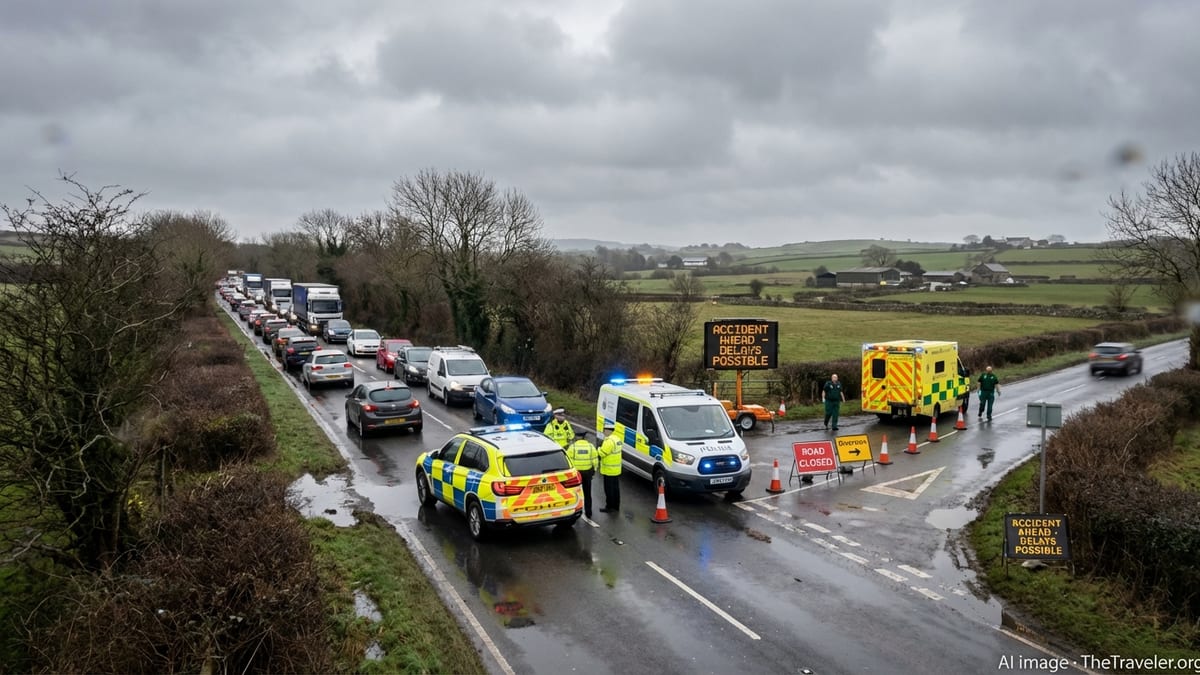
Drivers and pedestrians in Preston are being advised to allow extra time and plan alternative routes as a new phase of works around Friargate South introduces fresh diversions, restricted vehicle access and expanded pedestrian space from today.
Get the latest news straight to your inbox!
Active Preston works enter new phase at Friargate South
The latest diversions form part of the wider Active Preston programme, a Levelling Up Fund backed package of schemes intended to prioritise walking, cycling and public transport in and around the city centre. Publicly available council documents describe the Friargate South changes as a key active travel corridor linking the railway station, the university area and the main shopping streets.
According to published traffic regulation information, the Friargate Area order covers a cluster of streets between Ringway and the core pedestrianised zone, including sections of Friargate itself, Orchard Street, Market Place and connecting side roads. The legal orders allow the highway authority to prohibit general through traffic, introduce one way systems, adjust loading arrangements and formalise new pedestrian crossings to support the reconfigured street layout.
The latest phase at Friargate South follows earlier experimental measures that removed through motor traffic from much of Friargate and redirected buses to Corporation Street and Ringway. Council reports indicate that the permanent scheme now being introduced is intended to lock in those changes, extend the traffic restricted area closer to Ringway and complete paving and public realm works that had previously stopped short of the busy junctions at the southern end of the street.
These works sit alongside separate, ongoing temporary traffic regulation orders on nearby streets such as Market Street and Cheapside, creating an intricate network of partial closures and diversions across the northern and western edges of the city centre. Motorists using satellite navigation are being advised, via official roadworks portals, to check that live updates are enabled and to follow on street signage where it conflicts with pre planned routes.
What changes for drivers from today
The making of the Friargate Area traffic order introduces a series of new restrictions that come into effect as the diversion phase begins. The order provides powers for prohibitions of driving on key sections of Friargate except for pedal cycles, permit holders and authorised service vehicles, removing much of the remaining through traffic that previously used the corridor as a link between Corporation Street and the shopping streets.
Parking and loading patterns are also being redefined. Permanent order schedules show new double yellow line no waiting restrictions on short stretches of Friargate and adjoining streets such as Edward Street and Union Street, designed to keep junctions and narrowed carriageways clear as pavements are widened. In some cases existing bays are being converted to loading only, with time limited access, in order to maintain servicing for nearby businesses without allowing general long stay parking in the redesigned spaces.
For drivers approaching the city centre from the west along the A583, which becomes Friargate and then Fylde Road, the combination of the new order and the diversion layout means fewer options to turn into the traditional shopping streets at short notice. Council mapping indicates that through movements for private cars will be largely channelled along Ringway, with signed routes to city centre car parks via Corporation Street, Heatley Street and alternative access points rather than via Friargate South itself.
Bus gate enforcement in the wider area is already well established, with previously reported penalty data showing tens of thousands of fines at nearby locations following earlier changes. With the Friargate South works now live, motorists who attempt to follow historic habits through the city centre face a greater risk of entering restricted streets or bus only sections unintentionally, particularly at peak times when traffic is heavy and signage can be harder to spot.
Pedestrian routes extended and resurfaced
Alongside the traffic restrictions, the Friargate South phase focuses heavily on improving walking conditions around the southern end of Friargate and towards Ringway. Earlier transport planning documents for Preston highlighted the potential to extend pedestrian priority southwards, creating a largely traffic free spine from the university quarter and Adelphi roundabout down through the heart of the city centre.
The current works include new and upgraded crossing points at the junctions where pedestrianised or semi pedestrianised sections of Friargate meet busier roads. Council material on the Active Preston programme points to wider footways, new surfacing materials and decluttered street furniture as key features aimed at making the area more attractive and easier to navigate on foot, particularly for visitors arriving from the railway station and bus interchanges.
Retailers and hospitality businesses located on or near Friargate South can expect a period of disruption while surfacing and kerb works are completed, with temporary pedestrian diversions likely to reroute footfall along side streets at different stages of the programme. However the long term ambition, according to the published scheme descriptions, is for a more continuous pedestrian environment that links Friargate to Market Place, Orchard Street and the covered markets area without significant conflicts with traffic.
Active travel advocates have previously pointed to the already pedestrianised section of Friargate as a sign of the street’s changing role in Preston’s retail geography, with a shift away from being a traffic corridor and towards a mixed retail and leisure space. By extending similar design principles towards Ringway, the Friargate South project aims to reinforce that trend and provide clearer, safer walking routes between key destinations on both sides of the inner ring road.
Impacts on public transport, deliveries and access
The redirection of traffic around Friargate South interacts with earlier changes to bus routing introduced when the central section of Friargate was first pedestrianised. Under those previous phases, many services were switched to run along Corporation Street and Ringway, with bus gates and dedicated lanes installed to prioritise scheduled services over general traffic. The new measures do not introduce a completely fresh network but consolidate the preference for buses to avoid Friargate South and instead use the surrounding arterial roads.
Publicly available order schedules note that access exemptions continue to apply for certain categories of vehicles, including authorised buses, emergency services and, in specified loading windows, delivery and servicing vehicles. Businesses that rely on early morning goods deliveries are likely to see revised access arrangements, with some loading permitted directly from Friargate South at defined times and other activity shifted to side streets where new loading provision has been marked out.
Residents and blue badge holders within the affected streets are typically covered by permit based exemptions referenced in the Friargate Area order. However, the detailed qualifying criteria and application process are handled separately from the traffic order itself, and travellers are being advised in public communications to check with the relevant council departments or published guidance before relying on direct vehicle access through the restricted sections.
Taxi access is another area that may be affected as the diversions settle in. While the legal documents focus largely on categories such as buses, cycles and permit holders, local licensing and highways teams have scope to designate specific ranks or access corridors for hackney carriages and private hire vehicles on the fringes of the pedestrian focused zone. Until any updated arrangements are fully publicised, passengers may find that pick up and drop off points are shifted slightly further from certain venues within the Friargate South area.
Advice for visitors and city centre commuters
For commuters, public updates about the Friargate South works consistently emphasise the importance of planning ahead. Drivers approaching from out of town are encouraged to study diversion plans before setting off, particularly if they are unfamiliar with Preston’s recent changes to bus gates and pedestrian priority areas. Using park and ride where available, or switching to rail and then walking into the centre along signed pedestrian routes, can help avoid the most congested sections around Ringway and Corporation Street.
Visitors arriving by train will find that the evolving street layout is designed to make walking into the core retail area more intuitive, but temporary fencing, machinery and partial closures may still create pinch points while works are underway. Wayfinding signs are being used around Friargate South and the adjacent streets to indicate step free routes, alternative crossings and connections to key attractions such as the markets, St George’s Shopping Centre and the university quarter.
Cyclists benefit from the general reduction in through traffic on Friargate South, as the underlying Friargate Area order explicitly allows pedal cycles where general motor traffic is prohibited. However, during the construction period, short sections of temporary dismount zones or narrow shared spaces may appear where contractors are working close to the usual desire lines. Riders are therefore being urged in public messaging to travel at low speed through the central area and be prepared to follow signed alternatives at short notice.
While the overall scheme is framed as a long term investment in a more walkable and less car dominated city centre, the initial period as new restrictions take effect is likely to feel disruptive, particularly for those who have not followed earlier phases of the project. Anyone travelling through Preston over the coming days is advised to allow additional time, pay close attention to new signs around Friargate South and consider leaving the car at home when practical, especially for short trips that can be completed on foot or by bike.