


More news on this day
Travelers across the West Coast and beyond faced severe disruption on June 25, 2026, as Seattle-Tacoma International Airport reported around 80 delayed flights and three cancellations, snarling operations for Alaska Airlines, Delta Air Lines, United Airlines and American Airlines on heavily traveled routes to Los Angeles, San Francisco, New York and Vancouver.
Get the latest news straight to your inbox!
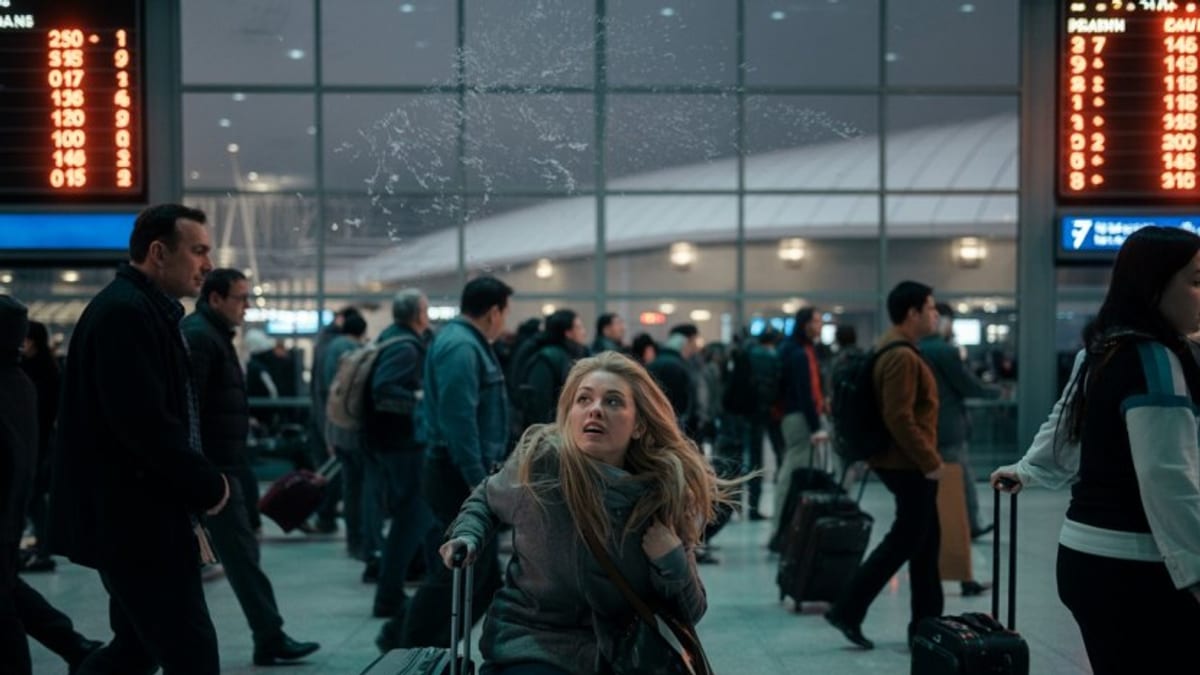
Delays Ripple Across Key Domestic and Transborder Routes
Publicly available flight-tracking and industry reports indicate that the disruption at Seattle-Tacoma International Airport concentrated on some of the airport’s busiest corridors, including multiple departures and arrivals serving Los Angeles, San Francisco, New York-area airports and Vancouver. These city pairs rank among the most heavily used business and leisure routes in the Pacific Northwest, meaning relatively small operational issues can quickly cascade into significant scheduling problems.
The pattern of delays affected both morning and afternoon banks of flights, complicating same-day turns and onward connections. Travelers headed from Seattle to Los Angeles and San Francisco reported extended gate holds and rolling departure estimates, while some flights on longer sectors, including to the New York area and Vancouver, encountered knock-on delays originating from late inbound aircraft.
Although only three flights were reported as fully canceled, those cancellations came on routes with limited remaining seats during peak travel hours, forcing some passengers to rebook onto later departures or reroute through alternate hubs. With several major carriers operating overlapping networks from Seattle, disruptions on one airline’s schedule contributed to tighter capacity across competing services on the same routes.
Alaska, Delta, United and American Confront Operational Strain
Alaska Airlines, which maintains one of its principal hubs at Seattle-Tacoma, appeared prominently across the delay boards, reflecting how concentrated its network is in and out of the airport. Public flight status pages showed a mix of late departures on core West Coast routes and select services linking Seattle to California and other western gateways. As the region’s dominant carrier, any irregular operations at its home base tend to have an outsized impact on local travelers.
Delta Air Lines, which has built Seattle into a significant transpacific and transcontinental hub, also experienced schedule pressure. Flights from Seattle to Los Angeles and to East Coast destinations were reported operating off schedule, contributing to missed connections for some passengers continuing on to international services. The combination of high summer demand and tight aircraft utilization left limited room to absorb extended ground times without affecting subsequent departures.
United Airlines and American Airlines, which run competitive schedules from Seattle to their own coastal and midcontinent hubs, were likewise swept up in the wider disruption. Even where individual flights were still able to depart close to schedule, the broader environment of delays and the need to accommodate displaced travelers from canceled services increased congestion at gates and customer service counters.
Weather, Congestion and a Tight Summer Schedule
According to published coverage and operational data, a mix of factors likely contributed to the difficult operating day at Seattle-Tacoma. Seasonal weather patterns in late June can bring low clouds or changing wind conditions that require additional spacing between arrivals and departures. When this interacts with already busy summer schedules, even minor slowdowns in air traffic flow can create bottlenecks.
At the same time, airlines across the United States are running near-peak capacity as leisure and business travel remain strong. Aircraft are often scheduled for closely timed turnarounds, particularly on short-haul segments linking hubs such as Seattle with Los Angeles, San Francisco and Vancouver. Once one or two rotations begin running behind, it can be challenging to recover without resorting to trimming flights or accepting extended delay windows.
Industry data published by federal transportation agencies in recent months has highlighted a broader national trend of rising delay averages at major coastal airports, particularly where runway work, airspace constraints or rapid demand growth have converged. Against that backdrop, a difficult operating day at a hub like Seattle-Tacoma amplifies these existing pressures, especially when multiple major carriers are all trying to protect their schedule integrity at the same time.
Passenger Experience Marked by Uncertainty and Long Waits
For travelers on June 25, the operational challenges translated into long lines and uncertainty. Reports from the terminal described crowded departure areas where passengers repeatedly refreshed airline apps to track shifting departure estimates. Families on summer holidays, business travelers on tight schedules and international passengers connecting through Seattle all faced the prospect of missed events, rebooked itineraries or shortened stays.
As delays accumulated, rebooking options on the most popular routes narrowed. Flights from Seattle to Southern California and the Bay Area are frequent, but high load factors meant that same-day alternatives for those whose flights were significantly delayed or canceled were limited. On long-haul routes to the New York area or onward to Vancouver and other international gateways, finding compatible connections became even more difficult, particularly for those traveling in groups.
Some passengers turned to alternative arrangements, including routing through other West Coast hubs or shifting to later-day departures where seats were still available. However, each adjustment added complexity to an already strained system, as airlines attempted to match available aircraft and crews with a rolling wave of schedule changes while also managing customer-service backlogs at call centers and airport desks.
Broader Implications for Summer Travel Through Seattle
The day of disruption at Seattle-Tacoma comes as airlines and airports across North America brace for one of the busiest summer travel seasons in recent years. With demand concentrated on popular coastal corridors and transborder links, including those between Seattle and Los Angeles, San Francisco, New York and Vancouver, even isolated episodes of congestion can have outsize regional impacts.
Travel experts note that when an airport that functions as both a local origin and a connecting hub experiences significant delays, ripple effects can spread quickly across multiple networks. In this case, the involvement of Alaska, Delta, United and American meant that a single day of irregular operations in Seattle had the potential to touch travelers whose journeys began or ended in distant cities, not just those based in the Pacific Northwest.
Going forward, publicly available industry analysis suggests that travelers using Seattle-Tacoma, particularly on peak days and on popular coastal and transborder routes, may benefit from allowing additional buffer time for connections and considering earlier departures where possible. As airlines continue to operate dense schedules with limited slack, episodes like the June 25 disruption highlight how vulnerable even well-served routes can be when operational challenges and heavy demand converge.