


More news on this day
Coordinating a vacation for several adults, a pack of grade‑schoolers and a couple of exhausted teenagers can strain even the closest friend group, but a growing number of families are discovering that cruises are solving problems that land trips rarely can.
Get the latest news straight to your inbox!
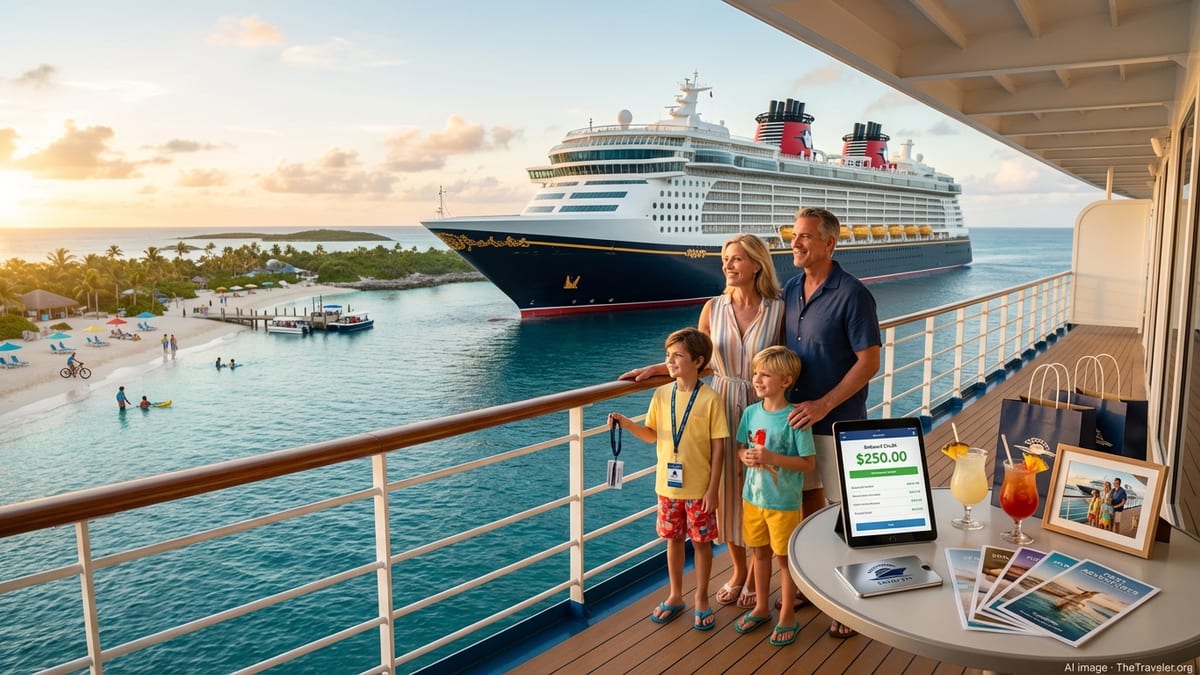
Group Travel Growing, Cruises Lead The Way
Recent industry research points to a sharp rise in trips that bring multiple generations or family-friend “pods” together, reflecting a wider post-pandemic focus on shared experiences over individual bucket-list getaways. Surveys from cruise associations and family travel organizations show that multigenerational and extended-family vacations now account for roughly one third of all family trips, with many travelers specifically naming cruises as their preferred format.
Data from the Cruise Lines International Association indicates that cruise holidays have surpassed pre-2019 passenger levels and that nearly one third of guests now sail with three or more generations or a large blended group. Analysts say these travelers are attracted by the promise of a single home base and a predictable budget, advantages that become more important as party size increases and attention spans shrink.
Family-travel researchers also note that parents and caregivers are prioritizing convenience after several years of disrupted schooling and work routines. Instead of juggling rental cars, restaurant reservations and activity bookings, they are looking for trips that reduce daily decision-making while still offering meaningful time together. Large-ship cruises, in particular, are emerging as one of the few products designed from the outset to deliver both independence and togetherness for groups that span toddlers to grandparents.
One Ship, Many Vacations For Kids And Adults
For parents traveling with friends and a wide range of children, one of the biggest challenges is finding a destination where everyone can get what they want without constantly negotiating. Cruise ships attempt to address this by segmenting spaces and activities by age and interest, layering supervised kids’ clubs, teen lounges, water parks and casual eateries alongside adults-only pools, spa areas and cocktail bars.
On many contemporary ships, children as young as preschool age can join complimentary, staff-led programs for much of the day, freeing parents to explore ports, linger over meals or simply rest. Older kids and teenagers often gravitate to game zones, sports courts and late-opening lounges, which allow them to socialize away from younger siblings while remaining in a controlled, easy-to-find environment.
For adults, particularly those traveling with friends, the same vessel can feel like an entirely separate vacation. While one group lines up for waterslides or character meet-and-greets, others can attend wine tastings, live music performances or enrichment lectures. Because everyone returns to the same ship each evening, groups can reconvene for dinner or shows without debating transportation or splitting ride-share fares.
Travel planners say this “many vacations in one” structure is a key reason cruises are gaining favor among blended friend groups who travel with their children. Parents who might have very different ideas of what constitutes a relaxing holiday can still opt into shared moments, such as beach excursions or family photo sessions, while enjoying radically different daytime routines.
Logistics Simplified For Large, Kid-Focused Groups
Beyond the onboard amenities, one of the strongest arguments for cruising with multiple families and children is logistical simplicity. Instead of coordinating villa rentals, grocery runs and restaurant bills for a dozen or more people, travelers typically pay a single fare that covers lodging, most meals and much of the entertainment. That predictability makes it easier to divide costs between households and to communicate expectations well in advance.
Embarkation ports also play a role. Major cruise hubs in North America and Europe now support a wide range of short and weeklong itineraries, allowing friend groups to pick routes that work with school calendars and limited vacation time. In many cases, travelers can drive to port cities, avoiding complex flight itineraries for young children and reducing the risk that delayed connections will scatter the group.
Cruise itineraries further streamline planning once onboard. Port days are fixed, published long before departure and often come with a menu of shore excursions organized by the cruise line. Families that wish to stay together might choose beach breaks or wildlife tours, while more adventurous travelers book independent experiences. Either way, everyone is back on the same ship each evening without having to coordinate meeting spots in unfamiliar cities.
This structure can be especially helpful when several parents are juggling nap schedules, picky eaters and varying budgets. If one child melts down in the middle of an activity, their family can easily return to the ship without ending the day for everyone else. The sense of a reliable base removes some of the pressure that can fuel conflict on traditional group trips.
Trends Shaping Family-Friendly Cruise Options
As demand for multigenerational and group family cruises has increased, major lines have expanded the range of hardware and programming aimed at these travelers. Newer ships are launching with larger family cabins, more interconnecting staterooms and flexible dining policies, which make it easier to seat several nuclear families together without long waits.
Program directors are also tailoring activities to encourage both independent and shared time. Many vessels now schedule family trivia sessions, deck parties and early-evening shows that work for mixed-age audiences, followed by late-night entertainment geared to adults only. Youth clubs increasingly incorporate STEM projects, cultural workshops tied to ports of call and themed evenings for tweens and teens who may be traveling with school friends as well as siblings.
Some cruise brands have introduced itineraries specifically marketed toward families and friend groups, such as school-holiday sailings with extra children’s programming or voyages that focus on destinations known for beaches and soft adventure rather than demanding sightseeing. In river cruising and expedition sectors, operators are testing family departures with age-appropriate guides and gear so that children can safely participate in activities such as kayaking, glacier walks or city cycling tours.
Industry observers say these changes reflect both economic opportunity and evolving expectations. Families are willing to invest more in travel that creates shared memories, but they are also quicker to abandon brands that cannot balance safety, fun and flexibility for all members of a large party.
Choosing The Right Cruise For A Friends-And-Kids Trip
For travelers considering a cruise with friends and a full roster of children, analysts point to several factors that can influence how well the trip works for everyone. Ship size and design are central; the largest vessels offer the most facilities and often the most extensive kids’ clubs and water features, but they can feel overwhelming for those who prefer quieter spaces. Smaller ships may trade headline-grabbing attractions for a more relaxed atmosphere and easier wayfinding.
Itinerary length and port mix matter as well. Shorter three to five night sailings are often recommended for first-time cruisers or groups with very young children, while longer voyages provide more time to settle into routines and explore a wider range of destinations. A route that alternates port days with sea days can give families a rhythm that includes both active excursions and downtime on board.
Cabin configuration is another practical concern when multiple households travel together. Linked staterooms, family suites and options with extra bathrooms can reduce morning bottlenecks and bedtime disputes. Some groups opt to cluster cabins along the same corridor for convenience, while others intentionally spread out to give each family more privacy.
Advisers emphasize the value of setting expectations in advance around shared and independent time. Agreements about which meals will be taken together, whether children can sign themselves out of clubs, and how adults will divide supervision can help prevent friction. When handled thoughtfully, travelers report that cruising with friends and kids can transform what is often a complicated puzzle into a manageable, even repeatable, tradition.