


More news on this day
Severe weather around Denver International Airport on June 28 led to 237 delayed flights and one cancellation, slowing operations at one of the country’s busiest summer travel hubs and affecting passengers across domestic and international networks.
Get the latest news straight to your inbox!
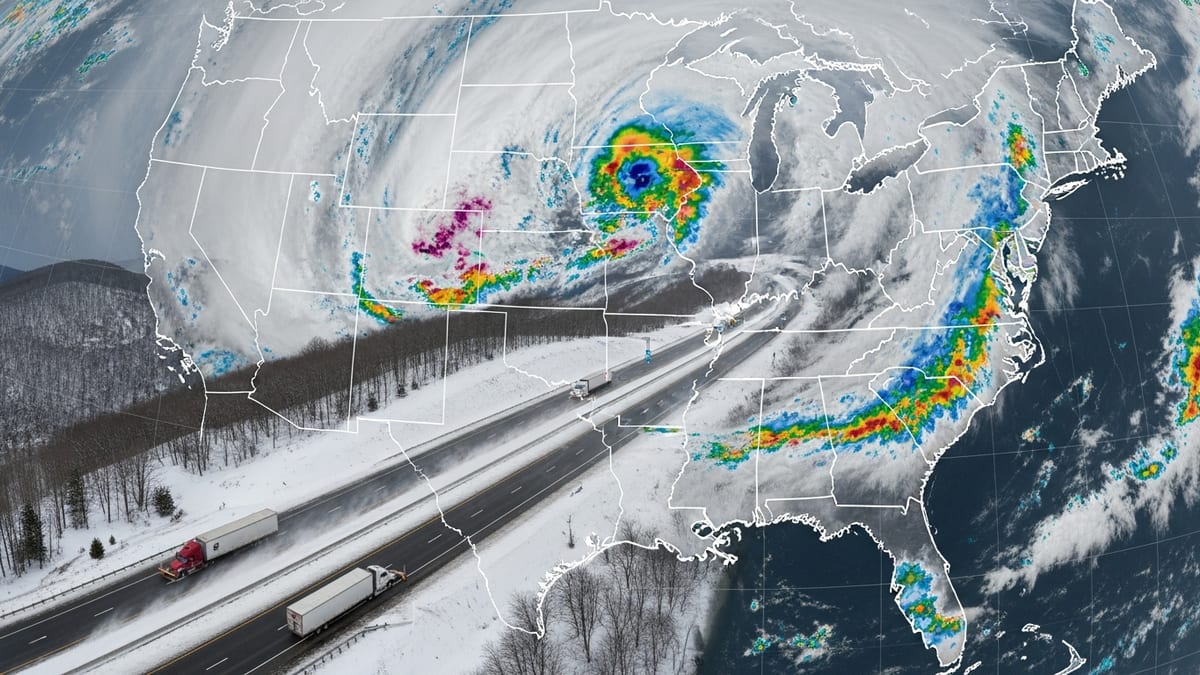
Thunderstorms Slow Traffic at Key Rocky Mountain Hub
Publicly available flight tracking data and industry coverage indicate that Denver International Airport recorded 237 delays and a single cancellation as strong storms moved across the Front Range on Sunday. The disruption affected departures and arrivals throughout the afternoon and evening as air traffic managers adjusted routes and spacing between aircraft for safety.
Reports describe a combination of heavy rain, low clouds and thunderstorms developing over the metro area, a pattern that frequently challenges operations at this high‑elevation airport during the warm season. Lightning in particular can temporarily halt ramp activity, keeping ground crews from loading baggage and pushing back aircraft, which can quickly translate into rolling delays across the schedule.
The overall number of delays far outpaced cancellations, reflecting an operational focus on keeping flights operating, even at reduced speeds and with extended ground times. While this approach helps limit the volume of stranded passengers, it often results in late‑running aircraft and missed connections, especially when storms linger into the evening.
Ripple Effects for Major Airlines and Key Routes
Coverage from aviation and travel outlets notes that the impact extended across a wide range of airlines using Denver as a hub or focus city, including United Airlines, Southwest Airlines, Frontier Airlines, American Airlines and Delta Air Lines. These carriers connect Denver to dozens of domestic destinations as well as long‑haul international routes, so localized storms can have outsized effects on the broader U.S. air network.
Among the routes most affected were flights linking Denver with other large hubs such as Chicago, New York, Los Angeles, Las Vegas, Phoenix and Dallas. Flight disruption reports also highlight knock‑on effects for long‑haul services to cities such as London, Frankfurt, Tokyo and Mexico City, as late‑arriving aircraft and crews constrained departure times.
Because Denver functions as a major connecting point for transcontinental and transatlantic itineraries, a delay of even an hour or two can cause travelers to miss onward flights in other hubs. Industry analyses frequently point out that this sort of cascading impact can continue into the following day, as aircraft and crews end up out of position from their planned rotations.
Summer Pattern of Storm‑Driven Disruptions
Meteorological briefings from the Federal Aviation Administration and regional media have recently highlighted an active pattern of thunderstorms affecting Colorado and the central United States. Earlier in June, the Denver area experienced ground stops and extended arrival delays due to severe storms and tornado watches, underscoring how quickly convective weather can constrain airport capacity during peak travel hours.
Denver’s location on the High Plains east of the Rocky Mountains exposes it to fast‑developing afternoon and evening thunderstorms throughout the summer. Aviation specialists note that these systems can produce sudden wind shifts, turbulence and lightning, conditions that require conservative spacing between flights and can temporarily close portions of the airspace or runway system to protect safety.
Traffic management initiatives such as ground delay programs and reroutes are frequently used to manage these weather events. While they help maintain safe operations, they also tend to concentrate delays at busy periods, particularly in the late afternoon when both storm activity and passenger demand are highest.
Guidance for Passengers Navigating Weather Delays
Consumer travel resources and airline advisories consistently recommend that passengers treat Denver as a weather‑sensitive connection point during the storm season. Travelers are encouraged to monitor forecasts closely, build extra time into itineraries that pass through the region and consider earlier departures when possible to reduce the risk of late‑day convective disruptions.
Published guidance from the FAA and airline customer service channels stresses the importance of checking flight status frequently on official apps and airport information displays, particularly on days when thunderstorms are in the forecast. Same‑day rebooking options and flexible travel alerts, when available, can provide alternatives for passengers facing long delays.
Analysts also note that travel insurance and credit card protections may offer compensation for extended delays or missed connections on some itineraries. However, coverage often varies depending on whether the disruption is categorized as a weather event or an operational issue, so travelers are advised to review policy terms in advance.
Denver’s Role in a Strained Summer Air Network
The latest disruption comes amid a broader summer marked by periodic congestion and weather‑related issues across the U.S. aviation system. Data aggregators tracking performance at major airports have pointed to recurring patterns of storm‑driven delays at large inland hubs, where convective weather can arrive quickly and persist for hours.
Denver’s position as one of the busiest airports in North America means that any reduction in capacity can quickly send ripples through airline schedules nationwide. Industry performance reports for the year to date show that even when cancellations remain limited, sequences of moderate delays can significantly affect on‑time reliability for both airlines and airports.
As peak vacation travel continues, observers expect weather to remain a key variable in day‑to‑day performance at Denver and other major hubs. The episode of 237 delays and one cancellation highlights how a single day of active storms can reshape travel plans for thousands of passengers, even when the vast majority of flights ultimately depart.