


More news on this day
A new luxury wilderness lodge called Three Little Bears Retreat is drawing attention near Great Smoky Mountains National Park, blending upscale lodging with safari-style excursions in one of the United States’ most visited protected landscapes.
Get the latest news straight to your inbox!
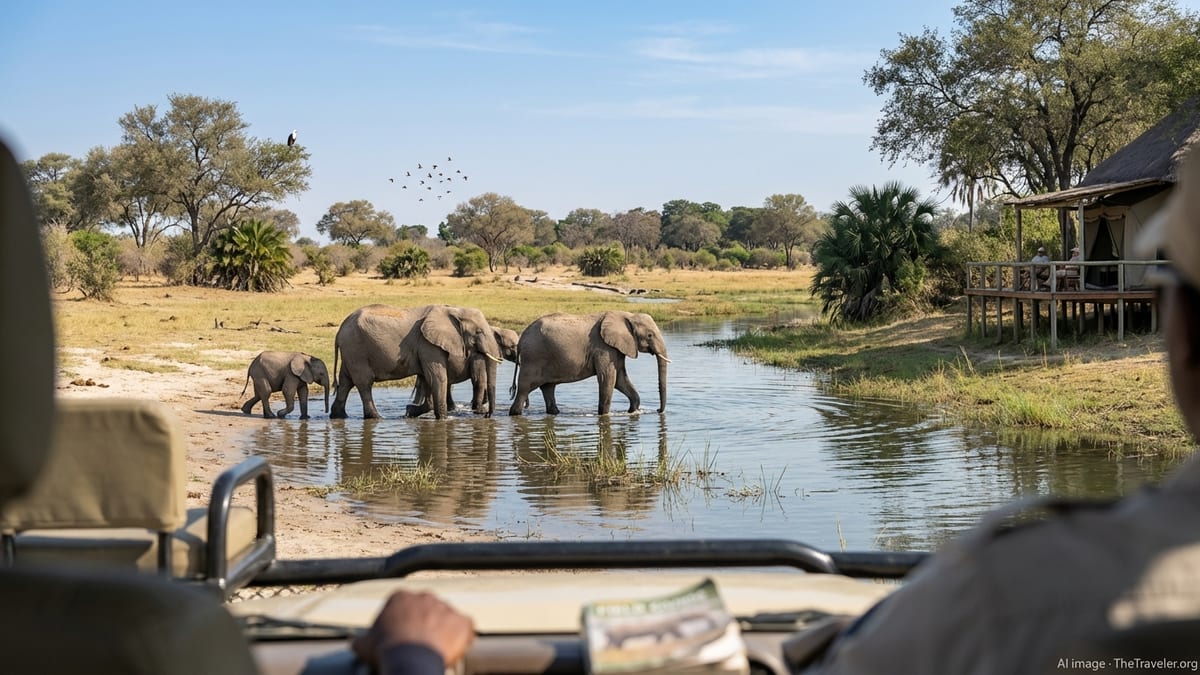
High-End Hideaway on the Edge of the Park
Positioned near the gateway communities that ring Great Smoky Mountains National Park, Three Little Bears Retreat is marketing itself as a secluded base camp for travelers who want close access to the park’s trailheads while staying in a more insulated, high-comfort environment. Publicly available information places the retreat among a growing cluster of boutique cabins and lodges serving visitors who prefer design-focused accommodations over traditional roadside motels or large resorts.
The property follows a broader Smokies trend toward smaller-scale, experience-driven lodging that emphasizes wooded privacy, mountain views and modern amenities. Regional travel guides show an expanding inventory of cabins, glamping sites and wilderness lodges positioned along less congested approaches to the park rather than in the busiest commercial corridors.
Three Little Bears Retreat appears to be targeting couples, multigenerational families and small groups seeking an all-in-one stay, with lodging, curated activities and concierge-style trip planning tied together under a single brand. That model is increasingly common in destinations where visitor numbers are climbing and planning a park visit requires more advance logistics.
Safari-Style Adventures in Appalachia
While traditional African safaris focus on big game, the safari-style concept in the Smokies is centered on guided exploration and wildlife viewing in a temperate forest ecosystem. Materials describing Three Little Bears Retreat highlight small-group excursions that resemble a rolling nature tour more than a backcountry expedition, with an emphasis on comfort and interpretation rather than technical challenge.
Guided outings typically combine scenic overlooks, waterfalls and historic sites with opportunities to spot black bears, white-tailed deer, wild turkeys and a wide range of birdlife at safe distances. Public information about wildlife management in the national park underscores the importance of observing animals without approaching or feeding them, a message that guided operators in the area increasingly incorporate into their briefings.
These safari-style tours also mirror a wider experiential travel trend, in which visitors seek storytelling and context alongside landscapes and wildlife. In the Smokies, that often includes discussion of the region’s cultural history, former homesteads and the ecological recovery of forests that were heavily logged before the park was established.
Cabin Comforts Meet Wilderness Aesthetic
Three Little Bears Retreat adds to a slate of lodging businesses near the park that frame themselves as wilderness escapes while maintaining hotel-level comforts. Promotion of similar properties in the region points to features such as expansive decks, hot tubs, outdoor fire pits and floor-to-ceiling windows intended to bring mountain scenery into the living space.
The retreat’s styling leans into a contemporary cabin aesthetic, with natural materials, warm lighting and subtle references to the area’s black bear population. In practice, that means finishes such as wood paneling and stonework are combined with high-speed connectivity, climate control and fully equipped kitchens or kitchenettes, placing the property firmly in the luxury segment rather than in rustic camping.
Industry observers note that this blend of wilderness imagery and high-end amenities is one of the main drivers behind strong year-round demand for cabin rentals around the Smokies. Travelers are drawn to the idea of being enveloped by forest and ridgelines, but many still expect hotel-standard bedding, spa-style bathrooms and reliable digital access after a day on the trails or scenic roads.
Rising Demand Around America’s Busiest National Park
Great Smoky Mountains National Park remains one of the most heavily visited national parks in the United States, receiving millions of visitors each year. That volume has created heightened pressure on nearby communities to expand and diversify lodging and activity offerings to capture overnight stays rather than day-trip traffic alone.
Recent regional travel guides highlight how new boutique accommodations, adventure outfitters and food and beverage venues are increasingly marketing themselves together, positioning the Smokies not only as a park visit but as a broader mountain holiday. Three Little Bears Retreat is emerging within this ecosystem as one of several properties invested in curated nature experiences and higher-end stays.
Local tourism materials also point to a gradual shift away from purely seasonal visitation patterns. Fall color and summer vacation remain peak periods, but interest in spring wildflower viewing and quieter winter escapes is growing. Luxury retreats with fireplaces, hot tubs and insulated interiors are well suited to capitalize on this four-season appeal.
Balancing Immersion, Access and Conservation
The rise of luxury nature retreats close to national parks has raised ongoing questions about how to balance guest comfort with environmental impact. Publicly available information on outdoor ethics in the Smokies emphasizes practices such as staying on marked trails, properly storing food and minimizing waste, principles that high-end operators are under increasing pressure to support through guest education.
Safari-style adventures like those marketed by Three Little Bears Retreat sit at the nexus of these considerations. On one hand, guided experiences can help concentrate use along appropriate routes and reinforce safe wildlife viewing distances. On the other, any increase in visitor activity near sensitive habitats requires careful planning to avoid disturbing animals or contributing to congestion at popular overlooks and trailheads.
As luxury wilderness options expand around Great Smoky Mountains National Park, travelers are presented with more ways to experience the region’s forests, rivers and ridgelines without sacrificing comfort. The success of properties such as Three Little Bears Retreat is likely to depend not only on the quality of their cabins and excursions, but also on how effectively they align with evolving expectations around sustainability and responsible nature tourism.