


More news on this day
Travelers at San Diego International Airport faced significant disruption over the weekend as 68 flight delays and three cancellations rippled across the schedule, snarling high-demand routes to London, Las Vegas and Portland and highlighting mounting pressure on the busy coastal hub at the height of the summer travel season.
Get the latest news straight to your inbox!
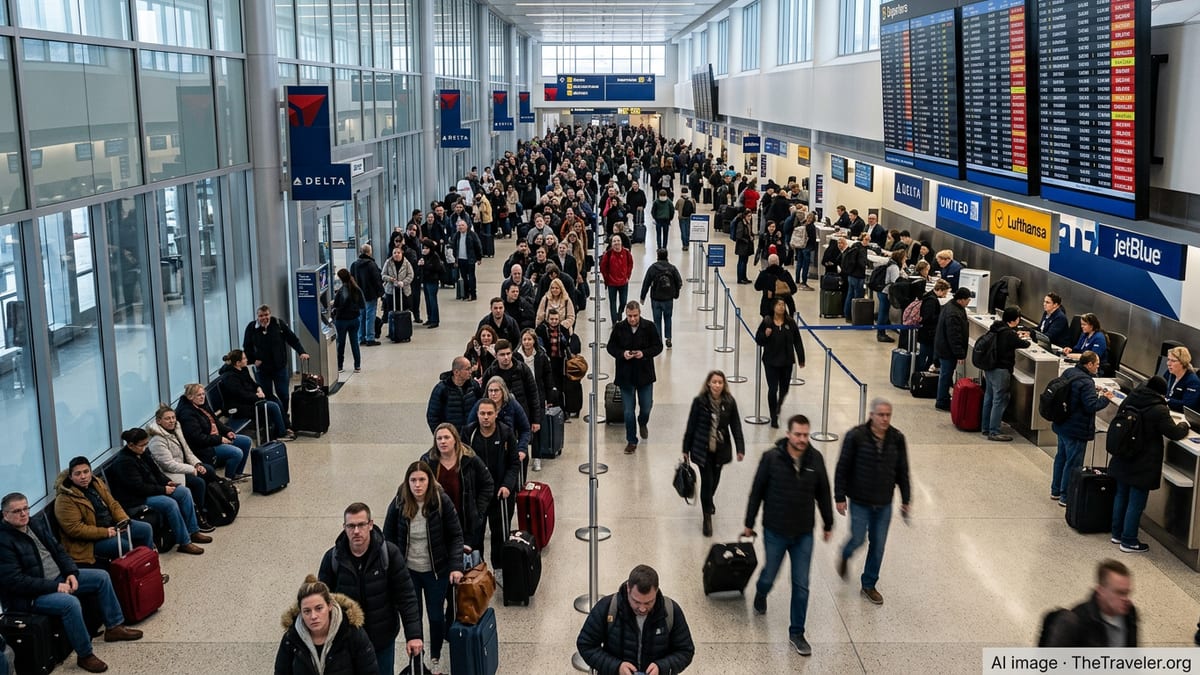
Heavy Operational Strain at a Growing Hub
The latest disruption at San Diego International comes as the airport manages peak summer traffic with a constrained airfield and intensive construction activity. Publicly available traffic reports show San Diego handling hundreds of daily departures and arrivals, with non-stop links to major domestic markets and long-haul destinations such as London Heathrow. The mix of short-haul shuttle flights and time-sensitive transatlantic services leaves little margin when delays begin to stack up.
On the day of the disruption, tracking data indicated a ground delay program in effect for San Diego, signaling that arrivals and departures were being metered to manage congestion. When these programs are combined with normal seasonal crowding, even modest scheduling issues can cascade into dozens of late departures, missed connections and scattered cancellations.
Industry analyses have repeatedly flagged San Diego’s limited runway capacity and busy peak banks as risk factors for knock-on delays. With airlines continuing to add frequencies to popular western gateways such as Las Vegas and Portland, and maintaining prized international services to London, operational resilience is increasingly tested whenever adverse conditions or minor disruptions emerge.
High-Impact Routes: London, Las Vegas and Portland
The disruption was felt most acutely on three key routes: the transatlantic link to London and high-frequency services to Las Vegas and Portland. London Heathrow is one of San Diego’s busiest international markets, typically served by a single daily long-haul flight. Even a moderate delay on this route can create complex rebooking challenges, as passengers rely on onward European and Middle Eastern connections that operate on tight hubs-and-spokes schedules.
By contrast, Las Vegas and Portland are shorter segments but operate with dense schedules that connect San Diego to broader networks. Flights between San Diego and Las Vegas feed both leisure traffic and domestic connections, while Portland links Southern California with the Pacific Northwest and onward services to the interior of the United States. Delays on these routes have an outsized effect on travelers who are attempting to make same-day connections.
Schedule and performance data for San Diego regularly highlight Las Vegas and Portland among the airport’s most heavily used domestic destinations. When irregular operations strike, carriers often face the difficult choice between preserving key trunk services and trimming frequencies in secondary time slots, which can explain why relatively few outright cancellations accompany a large number of delayed flights.
Why So Many Delays but Few Cancellations
The imbalance between 68 delays and three cancellations reflects a wider pattern in airline disruption management. Operational data from recent seasons indicate that carriers increasingly prefer to operate flights later than planned rather than cancel outright, in order to retain revenue, keep aircraft positioned where they are needed and reduce the cost and complexity of reaccommodating passengers.
At San Diego, this approach can mean aircraft waiting longer on the ground for available gates, or holding for departure slots allocated under traffic management initiatives. For travelers, the result is often a rolling delay, where departure times are revised in small increments as airlines coordinate crews, aircraft utilization and limited gate space.
Aviation performance studies also show that unscheduled factors, such as congestion-related holding and gate conflicts, account for a substantial share of total delay minutes at airports of San Diego’s size. When multiple banks of flights for Las Vegas, Portland and other western gateways depart within similar time windows, even a short operational hiccup can spread rapidly across the board.
Passenger Experience and Knock-On Effects
For passengers, the latest wave of disruption translated into longer-than-expected waits at departure gates, stressful connection windows and late-night arrivals into connecting hubs. Social media posts and traveler forums over recent months have documented similar experiences at San Diego, with users citing crowded gate areas, late-arriving aircraft and extended taxi times as recurring pain points.
Disruptions on the London route can be particularly challenging for travelers whose plans hinge on tight onward connections in Europe. A significant delay from San Diego can cause missed departures on subsequent long-haul segments, forcing rebookings that may push itineraries back by a full day during busy periods when alternative seats are limited.
On the shorter Las Vegas and Portland routes, the immediate consequences are more likely to involve missed domestic links, rescheduled hotel check-ins and lost time at the beginning or end of leisure trips. For frequent travelers, repeated episodes of disruption can influence decisions about preferred departure times or even airport choice within Southern California.
What Travelers Can Do During Ongoing Summer Turbulence
The turmoil at San Diego International is unfolding against a broader backdrop of elevated delays across the United States, as air traffic systems juggle summer weather, construction projects and strong demand. Travel advocacy groups and airline customer guidance consistently recommend that passengers traveling through delay-prone hubs build in additional buffer time, particularly when their itineraries include a long-haul leg such as San Diego to London.
Choosing earlier departures on key routes to Las Vegas and Portland can reduce exposure to afternoon and evening congestion, when traffic volumes and weather-related slowdowns tend to peak. Travelers are also encouraged to monitor their flight status through airline channels, keeping an eye on gate changes and revised departure estimates that may arrive in a series of updates rather than a single announcement.
For those already affected by long delays or cancellations, consumer guidance notes that options vary depending on the cause of disruption and the airline’s policies. While U.S. regulations do not mandate standardized compensation in many delay scenarios, airlines often provide meal vouchers, hotel accommodation or rebooking assistance when operations are significantly disrupted. Passengers are advised to retain documentation of delays, as it can be useful when seeking redress or filing claims under airline or third-party coverage.
The latest episode at San Diego International underscores how quickly conditions can deteriorate at a constrained, high-demand airport and serves as a reminder that flexible planning, careful timing and close monitoring of flight information are essential tools for navigating an increasingly unpredictable summer travel landscape.