


More news on this day
A shelter-in-place alert in Bucks County, Pennsylvania, was lifted on Wednesday after a freight train derailment in Bensalem Township sparked concerns about a possible hazardous materials release near residential neighborhoods and busy commuter rail lines.
Get the latest news straight to your inbox!
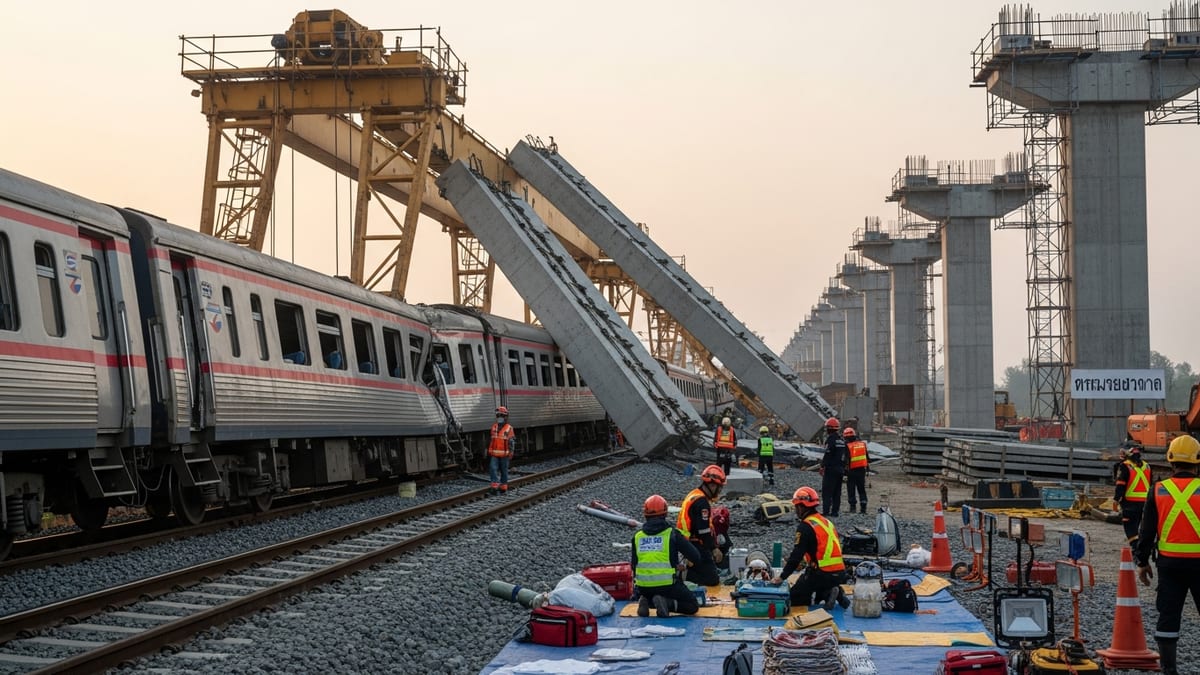
Derailment near Bensalem neighborhoods and commuter corridor
The derailment occurred Tuesday afternoon in Bensalem Township, in the area between Street Road and the Neshaminy Falls station on the SEPTA West Trenton Line, according to published coverage from Philadelphia-area outlets. Initial reports indicated that between five and ten freight cars left the tracks, ending up scattered along the rail corridor close to homes and local businesses.
Images and video shared in local news reports showed multiple freight cars off the rails and resting at angles along the ballast and embankments. The affected line carries freight traffic through suburban Bucks County alongside key commuter rail infrastructure, increasing public concern as early details emerged.
Publicly available information indicates there were no immediate reports of injuries among rail workers or members of the public. Passenger rail services in the vicinity experienced disruptions while emergency crews assessed the site, but there were no widely reported long-term shutdowns of the regional transit network.
Rail traffic through the corridor was halted while responders evaluated the condition of the derailed cars and the surrounding area. The scene remained active into the evening as authorities coordinated between local agencies, rail operators and hazardous materials teams.
Hazmat response and precautionary shelter-in-place
Bucks County emergency management listings and local television coverage described the incident as a hazardous materials situation out of an abundance of caution. Freight consists moving through the region can carry a mix of commodities, including potentially dangerous chemicals, prompting a strong initial response when cars leave the tracks.
According to regional news reports, residents in the immediate vicinity of the derailment were urged to shelter in place, keeping doors and windows closed while responders worked to confirm what materials were involved and whether any leaks had occurred. Some homes and businesses closest to the tracks were also evacuated as a precaution during the early stages of the response.
Hazmat units, fire crews, and emergency medical personnel from surrounding jurisdictions were dispatched to the scene. Their tasks included air monitoring, visual inspection of tank cars and other rolling stock, and establishing a secure perimeter to keep bystanders away from the wreckage.
The shelter-in-place guidance and limited evacuations reflected standard rail emergency protocols, which call for conservative protective actions until the contents of affected cars can be verified and any damage can be inspected at close range.
No hazardous leaks found as restrictions lifted
By later in the day, publicly available information from multiple outlets indicated that emergency teams had not detected any leaks of hazardous materials from the derailed freight cars. Local television and radio coverage reported that air monitoring around the site did not show dangerous readings, easing earlier fears of a chemical release.
With no evidence of active leaks or explosions, evacuation instructions for nearby properties were lifted, and the broader shelter-in-place alert was canceled. Residents reported receiving notifications that they could resume normal activities, although many remained cautious as crews continued work on site into the night.
Rail cars remained off the tracks as specialized heavy equipment and recovery teams mobilized to begin the process of re-railing or removing damaged equipment. That work, along with inspections of track and signal systems, is expected to continue before full rail operations resume through the corridor.
While restrictions have been lifted, some road closures and localized detours around the derailment area are likely to persist during cleanup and repair, according to local traffic and travel updates.
Impact on residents and regional travel
The derailment occurred in a densely developed pocket of Bucks County where rail lines pass close to residential neighborhoods, shopping centers and major roadways, including Street Road. The combination of freight activity and commuter services in the corridor has long made it a critical piece of infrastructure for the northern suburbs of Philadelphia.
Reports from local media and social platforms indicate that many residents experienced a period of uncertainty as sirens, helicopters and emergency alerts followed one another in quick succession. For several hours, people in the shelter-in-place zone stayed indoors while awaiting confirmation that the situation posed no immediate health threat.
Travelers using nearby roads reported congestion and delays as police and fire vehicles staged in the area and certain approaches to the tracks were blocked. Commuter rail riders also faced service changes and potential delays while the incident was managed, though regular operations began to recover once the hazardous materials risk was ruled out.
For visitors and travelers passing through Bucks County, the derailment served as a reminder that rail incidents can temporarily disrupt local mobility, even without injuries or chemical releases. Publicly available guidance often recommends monitoring local news, transit alerts and municipal social media feeds when such events occur.
Ongoing investigation and rail safety context
Attention is now turning to the cause of the derailment, which has not yet been publicly detailed. According to early coverage from regional outlets, investigators are expected to examine track conditions, train speed, equipment integrity and recent maintenance records as part of the review.
National and state data show that freight train derailments, while relatively infrequent compared with the total volume of rail movements, can have outsized community impacts when they occur near populated areas or when hazardous materials are involved. As a result, emergency managers in rail corridors frequently conduct planning and exercises to prepare for rare but high-consequence events.
In Bucks County and across Pennsylvania, recent derailments in other communities have prompted renewed public interest in what it means to receive a shelter-in-place alert, how long such instructions might remain in effect and what resources are available for residents seeking information. Publicly available materials from emergency management agencies typically advise residents to stay informed, sign up for alert systems and keep basic supplies on hand in case they are asked to remain indoors for extended periods.
For now, the Bensalem derailment appears to have concluded without injuries or confirmed hazardous releases, according to the most recent reporting. Cleanup, track repair and a formal investigation are expected to continue in the coming days, and rail travelers through the area may encounter periodic delays as the corridor returns to normal operations.