


More news on this day
Residents near a freight train derailment in Feasterville, Pennsylvania, have been cleared to return to their homes after emergency crews lifted evacuation and shelter-in-place instructions issued when several rail cars left the tracks on Tuesday afternoon.
Get the latest news straight to your inbox!
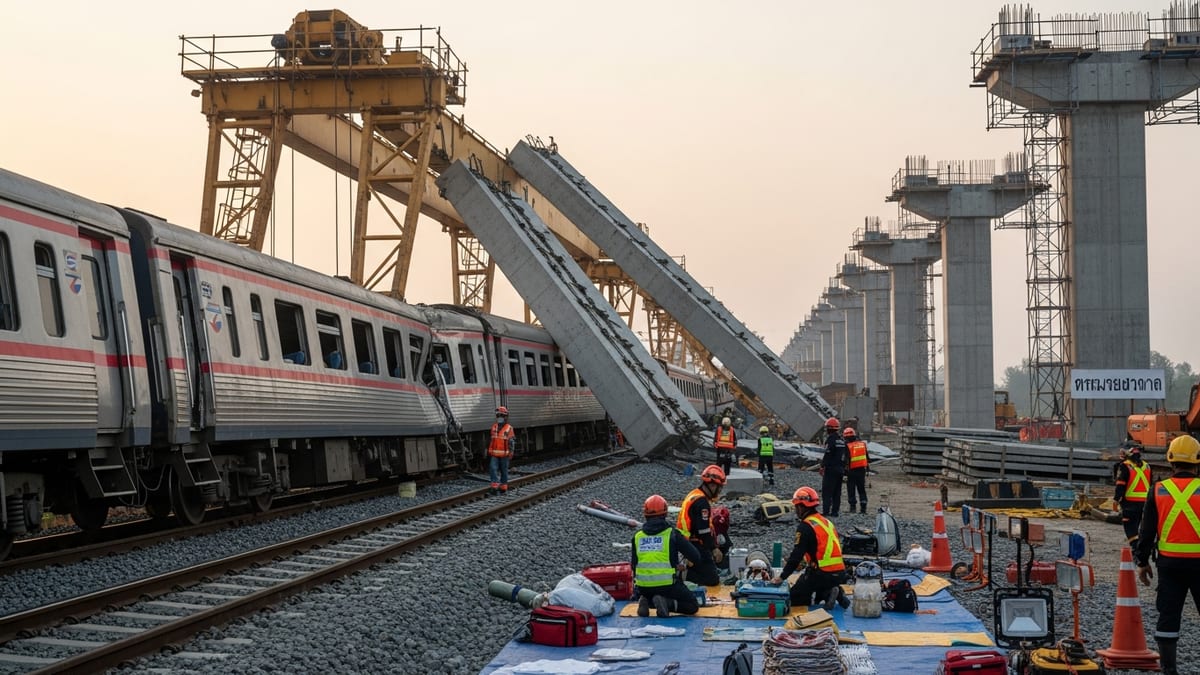
Evacuation Orders Lifted After Hazmat Response
Publicly available information shows that a freight train derailed on June 30, 2026, in the Feasterville-Trevose area of Bucks County, prompting initial concerns about possible hazardous materials. Several freight cars left the tracks near a corridor between Street Road and the Neshaminy Falls station, leading local agencies to restrict access to the area while the situation was assessed.
Reports from regional news outlets indicate that residents in parts of Bensalem Township and nearby neighborhoods were first instructed to shelter indoors and, in some cases, to evacuate as a precaution. Fire, police, emergency medical services and specialized hazardous materials teams converged on the site to evaluate the railcars and monitor the air.
By early evening, according to published coverage, those evacuation and shelter-in-place instructions were lifted after teams completed initial inspections and air-quality checks. Residents were informed that they could return to homes and businesses around the derailment zone, although road closures and a visible emergency presence remained in place as the response continued.
Media summaries of official briefings suggest that there were no widespread injuries reported in connection with the derailment. Rail employees and first responders remained on scene into the night to stabilize the equipment and coordinate cleanup.
What Is Known About the Derailment
Regional television and newspaper reports describe the incident as involving a freight train traveling through a mixed residential and commercial corridor in Bucks County. Between five and ten railcars are reported to have left the tracks, with several ending up at angles across the rail bed and alongside the right-of-way.
Coverage from local outlets notes that the train was operated by a major freight railroad and was believed to be carrying a mix of cargo, including some cars labeled for hazardous materials. That labeling triggered a conservative safety posture, bringing in hazmat units from Bucks County and neighboring jurisdictions while specialists worked to identify the contents of affected cars and check for leaks.
According to information made public by emergency management officials and relayed through local media, no significant release of hazardous chemicals was detected in the area around the derailment. Air monitoring and visual inspections were used to determine whether vapors, smoke or visible spills were present before restrictions on nearby residents were relaxed.
Authorities have not yet publicly identified a cause for the derailment, and reports indicate that investigators from federal and state agencies are expected to review track conditions, train speed, equipment performance and recent maintenance records. That process typically takes weeks or months before any findings are released.
Impact on Feasterville Residents and Local Travel
The derailment and associated safety measures brought immediate disruption to daily life in the Feasterville-Trevose and Bensalem area. Publicly available updates from local agencies, cited in regional coverage, describe road closures near Bristol Road, Brownsville Road and Old Lincoln Highway, creating detours for commuters and residents returning from work.
Some households closest to the tracks were temporarily unable to access their homes while the evacuation instructions were in place. Others who were told to shelter inside were advised to close windows and avoid outdoor activity until air monitoring confirmed that no dangerous substances were detected.
Transit riders also faced delays and service changes. Reports from Philadelphia-area media indicate that rail operations along the affected corridor were suspended while the derailed freight cars were secured and crews assessed potential track damage. Passenger services were expected to resume only after inspection and clearance by rail safety personnel.
Even after residents were allowed to return, the presence of hazmat vehicles, heavy equipment and law enforcement near the tracks underscored the scale of the response. For many in this suburban community, the long line of emergency trucks and the sight of toppled freight cars served as a stark reminder of the risks associated with busy rail corridors that run close to homes and businesses.
Ongoing Cleanup and Safety Assessment
Following the initial emergency phase, the focus has shifted to cleanup and technical evaluation of the damaged train and rail infrastructure. Published accounts highlight that specialized contractors and railroad crews have begun work to re-rail or remove the affected cars, clear debris and inspect the ballast and ties for structural damage.
Industry practice, described in transportation safety summaries, typically involves a detailed examination of wheelsets, couplers and track components after a derailment. Data from the locomotive and any event recorders are expected to be reviewed, and soil testing may be conducted if there is any suspicion that fuel, lubricants or other substances reached the ground.
Railroad representatives have not yet provided a public timeline for when full freight traffic will resume through the Feasterville corridor. However, news outlets in the Philadelphia region report that restoring normal operations is contingent on both physical repairs and signoff from investigators who must ensure that the immediate cause of the derailment has been addressed.
Environmental monitoring is also likely to continue in the short term. Even in cases where no hazardous release is initially detected, agencies sometimes maintain periodic air and surface testing around derailment sites to reassure residents and document conditions for future reference.
Community Concerns and Broader Rail Safety Context
The Feasterville derailment has renewed questions among residents and local leaders about freight rail safety in densely populated suburbs. Recent derailments across the United States have drawn national scrutiny to older infrastructure, train length and the transport of hazardous materials through communities where homes, schools and shopping centers sit close to active lines.
Publicly available data from transportation agencies show that overall train accident rates have declined over the past decade, but high-profile derailments that trigger evacuations or hazmat responses continue to attract significant concern. Safety advocates point to these incidents as evidence of the need for stronger inspection regimes, improved track maintenance and upgraded tank car standards.
In Bucks County, early community reaction documented on local forums and in neighborhood interviews cited by regional media reflects a mix of relief and unease. Many residents have expressed gratitude that they are able to return home and that the derailment did not result in a major chemical release. At the same time, the temporary evacuation orders and prominent hazmat presence have fueled calls for more information about the materials that regularly move through local rail corridors.
Transportation analysts note that the investigation into the Feasterville derailment could inform broader discussions about rail safety measures in Pennsylvania and beyond. As crews work to clear the site and restore service, residents are expected to watch closely for updates on both the cause of the derailment and any steps proposed to reduce the risk of a similar event in the future.