

More news on this day
New York’s LaGuardia Airport is grappling with days of severe disruption after a sinkhole discovered near Runway 4/22 forced a shutdown of one of the airport’s two runways, triggering widespread delays and cancellations at the start of the busy Memorial Day travel period.
Get the latest news straight to your inbox!
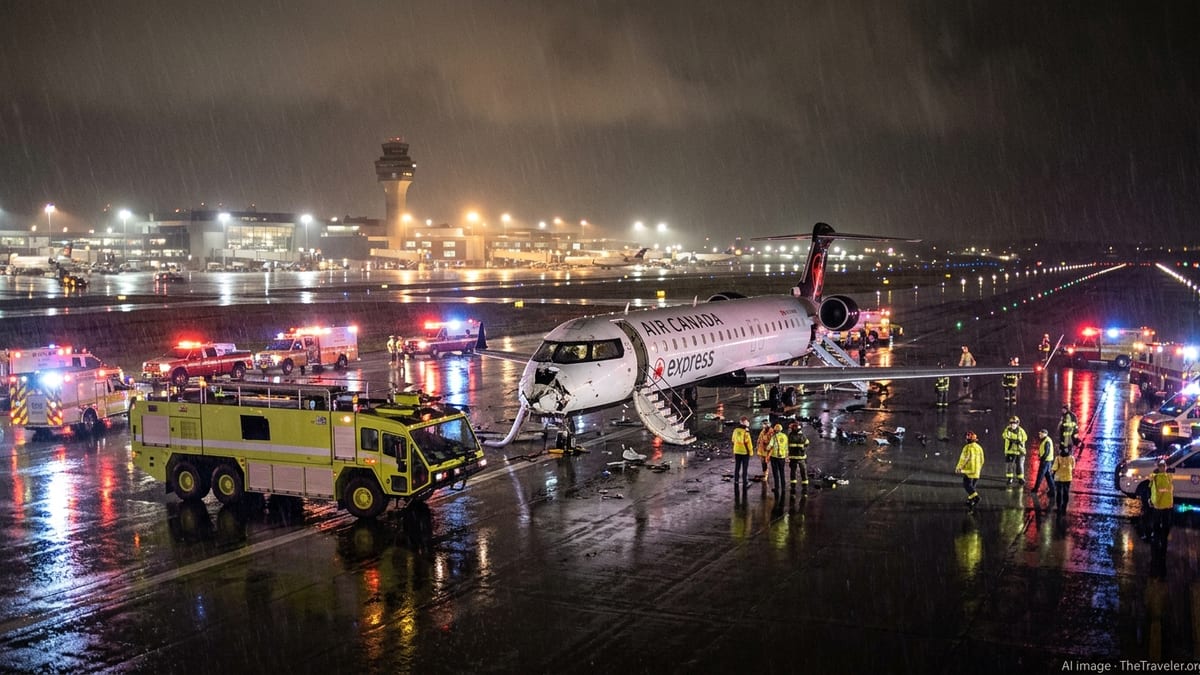
Runway 4/22 Closure Slashes Capacity at Key New York Hub
Publicly available information indicates that Port Authority crews identified the sinkhole late Wednesday morning during a routine airfield inspection, leading to an immediate closure of Runway 4/22. The affected strip is one of only two runways at LaGuardia, an airport that routinely handles high-frequency shuttle traffic along the U.S. East Coast and to nearby Canadian cities.
With Runway 4/22 out of service, all traffic has been funneled onto the intersecting Runway 13/31. Aviation trackers and airport operations data show that this single-runway configuration has sharply constrained the number of arrivals and departures LaGuardia can handle in each hour.
Several industry summaries report that more than 400 flights have been canceled or significantly delayed since the issue emerged, as airlines consolidate schedules and trim frequencies to reduce congestion. The impact has rippled well beyond New York, affecting flights and crews positioned throughout domestic and transborder networks.
The reduced capacity comes as LaGuardia heads into one of the heaviest travel stretches of the year, with passenger volumes building into the Memorial Day weekend and early summer vacation period.
Ground Delay Programs and Lengthy Waits for Travelers
Federal Aviation Administration status boards on Friday list LaGuardia under a ground delay program, citing a runway obstruction and ongoing construction activity. Average arrival delays are posted at around an hour and a half, with additional departure holds of at least 15 to 30 minutes depending on time of day and destination.
These systemwide flow controls mean many flights are now experiencing extended gate holds before pushback, followed by long taxi queues as aircraft wait their turn for the single active runway. Social media posts and airline updates describe passengers spending hours on board before either departing or returning to gates to be rebooked.
Published coverage from multiple outlets notes that thunderstorms in the New York region have compounded the disruption, periodically reducing visibility and slowing the rate at which aircraft can safely arrive and depart. The combination of adverse weather and a compromised runway has left carriers with little flexibility to recover once delays begin to cascade through the schedule.
For some travelers, particularly those on short-haul routes, flight cancellations have become more common than long rolling delays. Airlines often cancel early frequencies to create space later in the day, an approach designed to stabilize operations but one that leaves many passengers scrambling for alternatives.
Repair Timeline and What Is Known About the Sinkhole
According to airport statements cited in news reports, the sinkhole was found adjacent to Runway 4/22 rather than in the main touchdown zone, but close enough to raise concerns about the integrity of the pavement and subsurface structure. Emergency construction and engineering teams have been working around the clock to stabilize the affected area and assess underlying causes.
Initial public updates suggested repairs might allow the runway to reopen as early as Thursday. Subsequent briefings, summarized by regional broadcasters, pushed that target into Friday, reflecting the complexity of fully evaluating and filling a void beneath heavily loaded airfield pavement.
Engineers typically approach such problems conservatively, excavating damaged sections, compacting fill material, and restoring multiple layers of base and asphalt before a surface is cleared for jet traffic. In the case of LaGuardia, which sits on reclaimed shoreline and infill, past infrastructure studies have noted that soil conditions can vary significantly over short distances.
As of Friday late morning, publicly available operational data still show LaGuardia operating on a single-runway basis. Airport and aviation updates indicate that a reopening of Runway 4/22 is anticipated sometime Friday, subject to final inspections, weather conditions, and satisfactory performance tests.
Airlines Adjust Schedules and Waive Fees
Major carriers serving LaGuardia have responded to the disruption by adjusting schedules, re-timing flights, and offering travel waivers that allow passengers to change plans without typical penalties. Airline advisories circulated over the last two days encourage customers with flexible itineraries to rebook for later dates or to use alternative New York area airports such as John F. Kennedy International or Newark Liberty International where possible.
Operational summaries compiled by aviation news outlets suggest that some airlines have proactively thinned their LaGuardia schedules during peak hours to reduce gridlock. Others have opted to upgauge aircraft on remaining flights, consolidating passengers from multiple canceled departures onto fewer, larger jets.
For business travelers and commuters on high-frequency shuttle routes to Boston, Washington and other Northeast cities, these changes have translated into fewer departure options and crowded standby lists. Some travelers have shifted to rail or intercity bus services on short notice, particularly for trips that can be completed in a few hours on the ground.
Airlines and industry analysts also note that crew availability is a growing concern. As aircraft and staff reach federally mandated duty limits following hours of unexpected holding and diversions, carriers must juggle resources to keep remaining flights operating.
What Passengers Should Expect Heading Into the Weekend
With repairs still under way and a firm reopening time for Runway 4/22 yet to be widely confirmed, travelers bound for or connecting through LaGuardia on Friday and into the weekend are being urged by airlines and airport updates to plan for continued disruption.
Public guidance from carriers emphasizes the importance of monitoring flight status frequently, enrolling in text or app alerts, and arriving at the airport with additional time to clear security and navigate potentially crowded terminals. Same-day schedule changes may become more common as airlines respond to evolving capacity and weather conditions.
Travel experts monitoring the situation suggest that passengers with nonessential trips consider rebooking for later in the week once operations have had time to normalize. Those who must travel are advised to keep essential items and medications in carry-on bags, as irregular operations increase the risk of delayed or misrouted checked luggage.
While the sinkhole itself is a localized infrastructure issue, the disruptions at LaGuardia highlight the broader vulnerability of highly utilized urban airports that depend on a limited number of runways. As the busy summer season begins, industry observers note that the episode may renew discussions about resilience, maintenance and long-term planning at one of the country’s most critical air travel gateways.