


More news on this day
A Southwest Airlines flight operating as WN596 from Chicago Midway to Las Vegas on July 16 experienced a lengthy delay and an unexpected diversion to Ontario International Airport in Southern California, creating a cascade of missed connections and travel disruptions for passengers across the United States.
Get the latest news straight to your inbox!
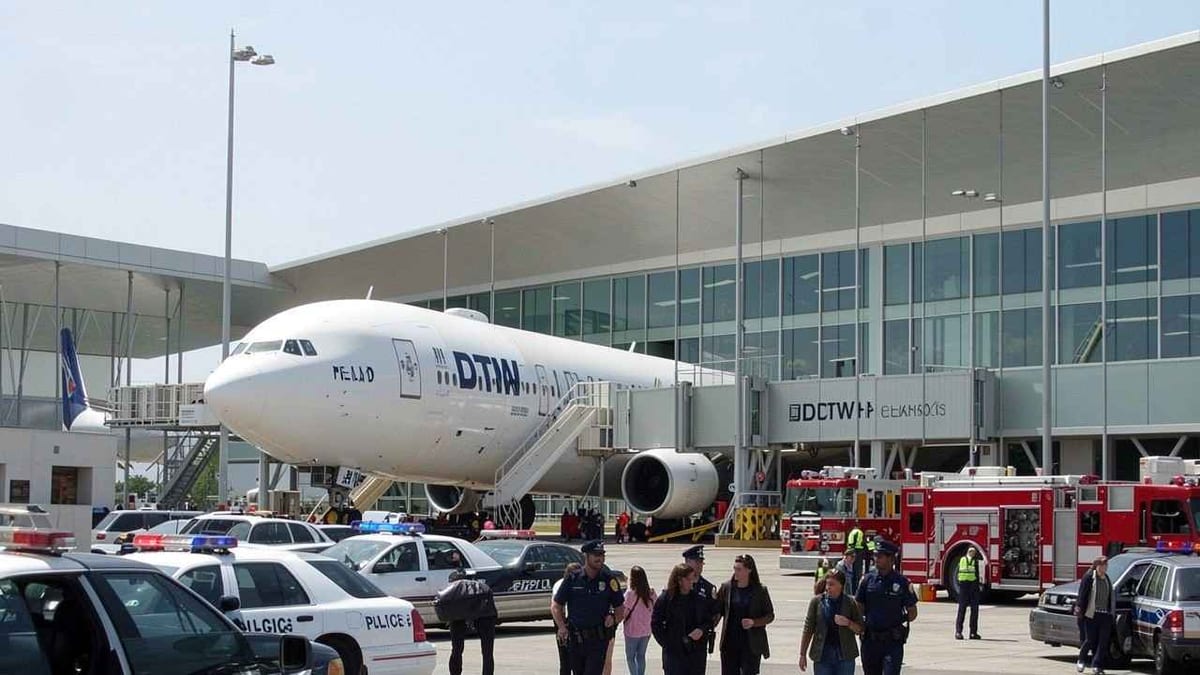
What Happened to Southwest Flight WN596
Publicly available flight-tracking data for Southwest Airlines WN596 on July 16 shows a multi-leg schedule that included service from Chicago to Las Vegas, with the aircraft later operating between Ontario and Las Vegas. The Chicago to Las Vegas sector, scheduled in the evening, was held on the ground for an extended period before departure, pushing the flight well behind its planned arrival time into Nevada.
As the delay lengthened, the airline adjusted its routing. Instead of a direct Chicago to Las Vegas arrival followed by onward late-night flying, operational data indicates the aircraft was routed through Ontario International Airport. Ontario, located east of downtown Los Angeles, frequently serves as a relief and diversion field when traffic, weather, or congestion affects operations at Las Vegas and other regional hubs.
The diversion meant that customers expecting a straightforward Chicago–Las Vegas trip found their flight terminating in Ontario before continuing toward Nevada on a later segment. For many travelers, this change effectively transformed a relatively short domestic hop into an extended overnight journey.
While the underlying cause of the initial delay and rerouting had not been detailed in official incident summaries as of July 17, patterns in regional traffic suggested a combination of late-arriving aircraft, tight turn times, and downstream congestion between Southern California and Las Vegas contributed to the disruption.
Why Ontario Became the Alternate Landing Point
Ontario International Airport has increasingly become a key diversion and recovery airport for flights serving the Las Vegas and greater Los Angeles markets. Located away from the most congested coastal airspace, it offers available runway capacity and gate space that can be critical when schedules begin to unravel at larger hubs.
Recent days have seen several carriers using Ontario as a diversion point during periods of heavy traffic and weather-related constraints around Las Vegas. Aviation enthusiast reports and flight-tracking histories show multiple long-haul and domestic services temporarily routed into Ontario before repositioning to Las Vegas once conditions improved and ground stops were lifted.
In this context, Southwest’s decision to send the delayed WN596 to Ontario aligned with broader industry practice. By moving the aircraft to a less congested airport, the airline had more flexibility to refuel, reset crew duty times if necessary, and reschedule onward segments, including late-night flights between Ontario and Las Vegas that were already part of the broader network.
For passengers, however, the operational advantages of Ontario as a diversion field were offset by the immediate challenges of being delivered to an unexpected airport, often far from pre-booked hotels and onward connections in Las Vegas.
How the Delay Rippled Through the Southwest Network
Southwest’s network relies heavily on aircraft and crew turning multiple short and medium-haul segments in a single day. When a significant delay occurs on one leg, it can quickly ripple through subsequent flights, affecting travelers who may never set foot in the original departure city.
In the case of WN596, the late departure from Chicago and the diversion to Ontario meant that onward flights using the same aircraft were pushed into the early hours of July 17. This created missed connections for passengers booked on late-night and early-morning departures from Las Vegas and other Western gateways, including those connecting to cities across the Mountain West and West Coast.
Historical studies of U.S. aviation patterns show that once a delay passes a certain threshold, it tends to propagate through the national airspace system, particularly at busy hubs and focus cities. Even a single delayed aircraft can translate into hundreds of affected travelers as seat inventories tighten, rebooked passengers crowd remaining flights, and crews reach legally mandated duty limits.
Reports from travelers on other Southwest services on July 16 and 17 described long lines at customer service desks, limited same-day rebooking options, and crowded gate areas as the airline worked to absorb the knock-on impact of disrupted evening operations.
Passenger Experience and Options After Significant Delays
Southwest’s published customer resources describe “significant delay” thresholds in which travelers are expected to arrive at their destination at least three hours later than planned on a domestic itinerary. In such cases, customers are typically offered the opportunity to move to an alternative Southwest flight to the same destination, subject to seat availability, at no additional fare difference.
When a flight diverts to an unscheduled airport such as Ontario, options can become more complex. Some travelers may be placed on later flights to the original destination, while others may choose to end their journey at the diversion airport and arrange ground transportation or overnight accommodation at their own expense, depending on the circumstances and personal travel needs.
Publicly available guidance from the airline emphasizes that most rebooking after delays or diversions can be managed through digital channels once updated itineraries have been loaded into the system. However, during widespread disruptions, high call volumes and heavy demand on self-service tools can slow the process, prompting many passengers to wait in line at airport counters to secure seats on the next available departure.
Accounts shared on aviation forums and social media in mid-July indicated that some Southwest customers affected by the WN596 disruption and related delays were rebooked onto flights later on July 17, while others accepted travel several days out due to tight capacity on peak summer routes.
What Travelers Can Learn From the WN596 Disruption
The experience of passengers on Southwest Flight WN596 underscores how quickly a routine domestic leg can be affected by broader operational pressures. A single late-arriving aircraft, constrained gate availability, or weather-related flow restrictions in a busy region can turn an evening nonstop into a multi-airport journey that stretches well beyond the original schedule.
Travel analysts often recommend that passengers traveling to high-demand leisure destinations like Las Vegas during the summer build in extra time, particularly when they have essential connections, events, or cruises scheduled after arrival. Choosing earlier departures, avoiding the last flight of the day when possible, and allowing generous layovers can reduce the risk that a rolling delay or diversion will derail an entire trip.
The WN596 disruption also highlights the role of secondary airports such as Ontario in keeping the national air traffic system moving during peak demand. While diversions can be frustrating in the short term, they can help prevent aircraft and crews from being stranded, enabling airlines to restore regular schedules more quickly in the days that follow.
For now, the July 16 saga of WN596 serves as a reminder that even in a highly optimized domestic network, unexpected detours remain a feature of air travel, and that flexibility, contingency planning, and close attention to real-time flight information remain essential tools for any traveler.