


More news on this day
Air travel in 2026 is shaping up to be significantly more expensive as Spain joins the United Kingdom, Germany, Thailand, Japan, Singapore, Malaysia and other major global hubs in rolling out steep increases in airport fees and passenger taxes that are embedded in ticket prices.
Get the latest news straight to your inbox!
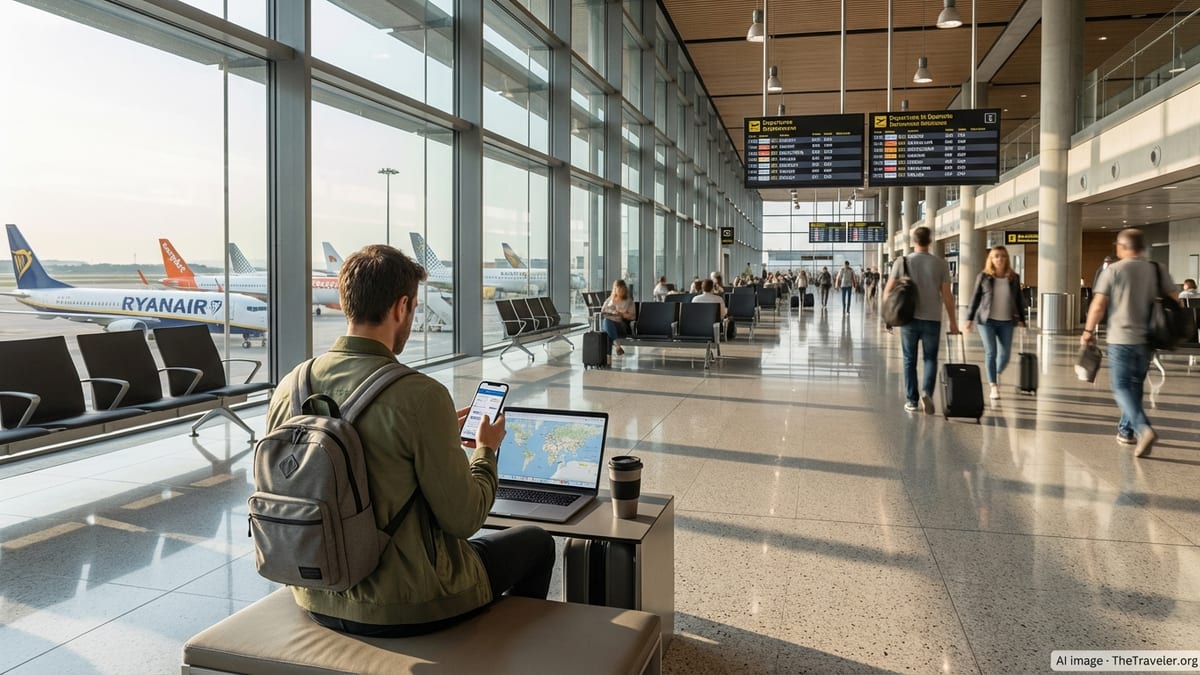
Spain Ends Tariff Freeze With 6.44 Percent Airport Charge Rise
Publicly available information from Spain’s competition regulator shows that airport operator Aena has received approval for a 6.44 percent rise in regulated airport tariffs for the 2026 season, ending roughly a decade of frozen or minimal increases. The decision covers core charges such as passenger, landing and security fees across the national network, from Madrid Barajas and Barcelona El Prat to busy leisure gateways in the Balearic and Canary Islands.
The increase translates to about 0.68 euro more per passenger on average, lifting the typical airport charge to slightly above 11 euros per departing traveler. While that figure may appear modest in isolation, analysts point out that it represents the highest average charge since Aena’s stock market listing and adds to a growing stack of airport and government surcharges facing passengers in Europe.
Aena has argued in public documents that the higher tariffs reflect rising energy, security and cleaning costs, as well as the need to recoup income lost during the pandemic years. Industry groups counter that any rise in fixed charges, regardless of size, tends to be magnified when passed through airline pricing models, particularly on low cost routes where taxes and fees already account for a large share of the final ticket.
Budget carriers focused on Spain’s coastal and island markets have warned in recent commentary that higher airport charges could weigh on price sensitive holiday traffic in 2026 and beyond, especially when combined with parallel tax hikes in several of Spain’s key source markets.
UK Air Passenger Duty Climb Adds Up To Triple Digit Surcharges
The United Kingdom is preparing one of the most visible increases to flight levies in the coming year. Government budget documents and specialist travel analysis indicate that Air Passenger Duty, the longstanding tax on departures from UK airports, will rise again from 1 April 2026, in line with retail price inflation and recent policy changes targeting premium cabins and ultra long haul flying.
Updated tables released for the 2026 and 2027 fiscal years show that economy class passengers on many routes will face single digit to mid teens increases in pounds per ticket, depending on distance band. For premium economy, business and first class seats, especially on flights exceeding 5,500 miles, the additional tax can climb well above 100 pounds per person, and in some private jet scenarios analysts describe headline rises of around 50 percent compared with the previous year.
Because Air Passenger Duty is charged per seat rather than as a percentage of the fare, it can be particularly painful on cheaper tickets. Industry commentary notes that for a short haul economy flight out of London in 2026, the tax alone can represent a substantial fraction of the total bill during promotional sales, eroding the headline appeal of low advertised fares.
Frequent flyers and loyalty program members are already being advised by travel blogs and aviation consultants to factor the higher duty into their 2026 redemption strategies, with some suggesting that trips originating outside the UK, or open jaw itineraries, may help to soften the impact on total trip costs.
Germany Tightens Climate Policy With Higher Air Passenger Taxes
Germany is moving in parallel with the UK, but under a more explicit climate policy framework. Publicly available legislative summaries describe a draft law, approved at cabinet level in early 2026, that would increase the national air passenger tax on departures from German airports from 2027, following an earlier rise in 2024.
The measure is presented as part of a package to realign the cost of flying with national emissions reduction goals and broader European climate commitments. The planned adjustment would lift per passenger charges across all distance bands, with the largest absolute increases on long haul departures from major hubs such as Frankfurt and Munich.
Airline associations have responded in policy statements arguing that Germany is already one of the highest cost aviation markets in Europe, pointing to a combination of air passenger tax, security fees and air traffic control charges. They warn that additional hikes could accelerate a shift of connecting traffic to neighboring countries with lower levies, at the expense of German airports and tourism regions.
Environmental groups and climate policy advocates, by contrast, have welcomed the direction of travel, maintaining that higher aviation taxes are necessary if rail and lower carbon alternatives are to compete effectively on key intra European routes.
Thailand, Singapore and Malaysia Push Asian Airport Charges Higher
In Asia, a fresh round of fee adjustments is converging on the 2026 travel season. In Thailand, reports from regional outlets and official notices show that the Passenger Service Charge on international departures at six Airports of Thailand hubs, including Bangkok Suvarnabhumi and Phuket, is scheduled to rise from 730 baht to 1,120 baht per person in mid 2026. The 53 percent jump adds roughly 390 baht to each outbound ticket, an increase of around one third of the base fare on some budget routes.
Thai aviation regulators have indicated in public communications that the higher charge is intended to fund expanded terminal capacity, upgraded security and improved passenger services. Travelers and tourism businesses, however, are voicing concern that the increase will make Thailand noticeably more expensive relative to regional competitors, particularly for backpackers and price sensitive long stay visitors.
Singapore, already known for relatively high airport charges, is also on an upward trajectory. Government and airport planning documents show that a series of passenger, security and development levies attached to tickets through Changi Airport are being gradually stepped up toward the end of the decade to help finance expansion and sustainability initiatives. Commentators tracking fee schedules note that by the late 2020s the combined departure charges for many passengers are projected to be materially higher than current levels.
Malaysia, while generally maintaining lower airport charges than Singapore, has implemented and adjusted a range of departure and passenger service fees at major gateways such as Kuala Lumpur International in recent years. Regional tax and travel references highlight that these fees, together with separate hotel based tourism levies, can add a noticeable supplementary cost to itineraries that combine multiple domestic and international segments.
Japan, Other Hubs and What It Means For Travelers’ 2026 Budgets
Japan is also part of the wider shift toward higher travel related charges. While its fixed international tourist tax has been in place for several years, airlines serving Japan have steadily revised fuel surcharges and surcharges embedded in tickets, as shown in published fare circulars from major carriers. From early 2026, some routes between Japan and Southeast Asia, Europe and North America will carry higher combined taxes and fees, even when base fares remain flat.
Beyond the headline markets of Europe and Asia, a growing number of long haul hubs, from the Middle East to North America, are reviewing their own aviation tax and fee structures. Industry surveys cited by aviation associations suggest that more than 50 countries now apply some form of air travel levy tied either to distance, cabin class or environmental impact, with several governments signalling further rises through the second half of the decade.
For travelers planning 2026 trips, the practical implication is that the advertised base fare will tell an ever smaller part of the pricing story. Taxes, airport fees and various surcharges can already exceed the underlying ticket price on some low cost itineraries, and the increases announced or proposed in Spain, the UK, Germany, Thailand, Japan, Singapore and Malaysia reinforce that trend.
Budget planning experts recommend that travelers build in an extra margin when setting their 2026 holiday or business travel budgets, particularly for complex multi leg journeys. Monitoring booking classes, origin points and routing options, and being flexible about departure airports where possible, may help offset at least part of the coming wave of fee and tax hikes that is set to ripple through global airfares in the year ahead.