


More news on this day
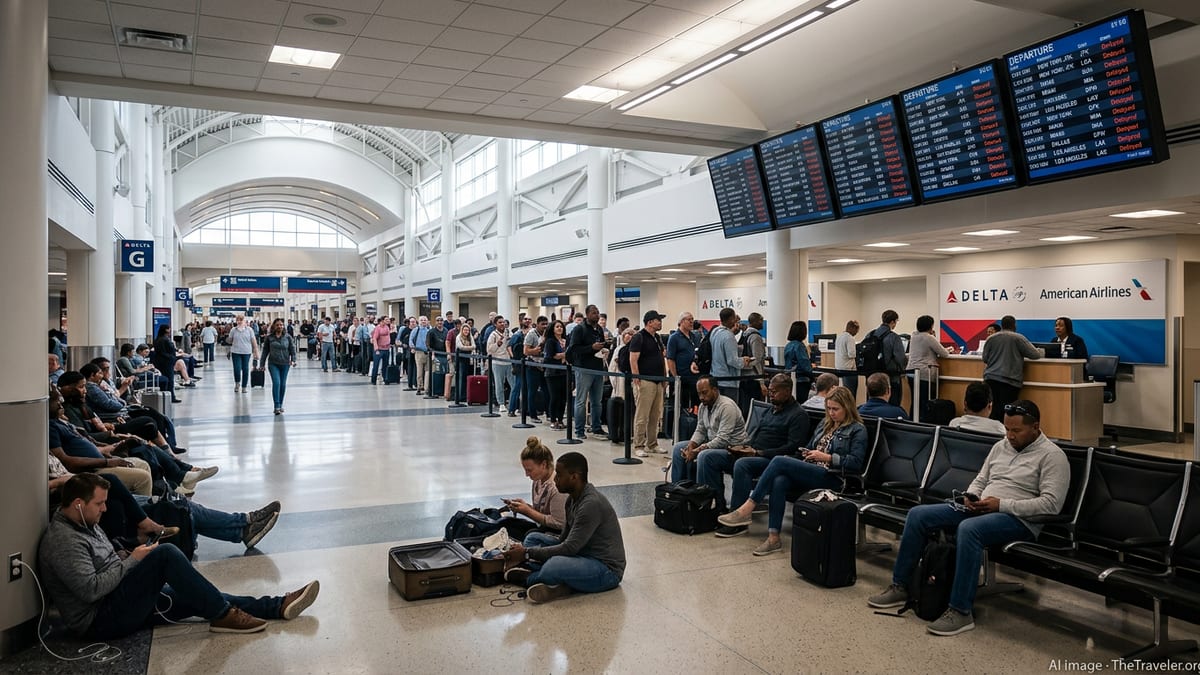
Reports indicate more than 500 SpiceJet passengers were affected at New Delhi’s Indira Gandhi International Airport (IGI) after multiple departures faced significant delays tied to early-morning check-in and operational disruptions on Saturday, September 19, 2026.
Get the latest news straight to your inbox!
What happened at Delhi IGI and which flights were hit
Published coverage describes disruptions beginning around the early hours of September 19 at IGI Airport, with some SpiceJet counters and check-in processes impacted at Terminal 1. The ripple effects extended into flight departure times and passenger crowding, particularly for travelers trying to complete baggage drop and obtain updated boarding information.
Multiple reports identified at least several affected services, including Delhi to Leh and Delhi to Jammu departures and a Delhi to Dubai international flight. Coverage also referenced specific flight numbers among those delayed, including SG121 and SG127 (Delhi to Leh) and SG2160 (Delhi to Jammu), with later updates indicating those flights ultimately departed and arrived.
While the exact mix of delays and cancellations varied across outlets, the common thread was a concentrated period of disruption that left large groups of passengers waiting inside the terminal with limited clarity on revised departure times. Reports also described confusion at check-in areas as travelers looked for rebooking options or confirmation their flight would operate.
Why the disruption spread quickly through the morning
Reports attributed the disruption to operational issues affecting the check-in and departure flow. Some coverage described staffing-related problems at the check-in counters for certain flights during the pre-dawn window, which slowed processing for passengers arriving for early departures.
Even short interruptions in check-in can create outsized knock-on impacts at a busy hub, especially for flights with tight turnaround times. When passengers cannot check in and clear security on schedule, boarding windows compress, departure slots can be missed, and aircraft rotations later in the day may be pushed back as crews and planes wait for the schedule to stabilize.
IGI is split across terminals, and SpiceJet’s Delhi operations can involve both Terminal 1 and Terminal 3 depending on the flight. SpiceJet has previously posted passenger advisories about some domestic services operating from different terminals in Delhi, making real-time updates especially important when irregular operations occur.
Airport and airline response seen in published coverage
Published coverage said Delhi Airport teams coordinated with the airline and other stakeholders to assist passengers during the disruption. Reports described airport messaging acknowledging the issue and indicating that on-ground support was being arranged as the situation unfolded.
SpiceJet’s updates cited in coverage framed the delays as operational in nature and referenced certain flights that were delayed but later completed their journeys. Some reports noted that the morning’s issues eased after intervention from senior staff and coordination at the terminal, allowing check-in processes to restart and delayed departures to proceed.
For travelers, the most immediate challenge in this type of event is information: gate changes, revised departure estimates, and whether a flight is operating at all. Reports emphasized that crowds formed quickly around check-in and service areas as passengers sought confirmations, rebooking, and baggage handling guidance.
What passengers can do during major delays at Indian airports
When flight delays cluster around check-in or boarding, travelers generally benefit from verifying status through official airline channels and airport flight information displays before moving between queues. If a flight’s status changes repeatedly, passengers may need to document the timeline of notifications, boarding pass reissues, and any written delay or disruption acknowledgments provided at the airport.
India’s passenger protection framework, under Directorate General of Civil Aviation (DGCA) rules, outlines airline obligations for support such as refreshments or meals after certain delay thresholds and sets expectations for handling cancellations and denied boarding. Eligibility can depend on factors including delay duration and the circumstances causing the disruption.
For passengers facing long waits or overnight impacts, reports and publicly available guidance typically point to asking the airline to clarify what assistance is being offered at the airport, including meal arrangements and whether accommodation is being provided. Travelers rebooked onto later departures may also want to confirm baggage status and ensure any revised itinerary is reflected accurately across ticketing and check-in systems.
A broader pattern of SpiceJet disruptions drawing attention
The Delhi delays follow other recent disruptions involving SpiceJet that have drawn attention in published coverage, including reports of earlier passenger complaints tied to prolonged rescheduling on certain routes. Separate reporting in 2026 has also highlighted incidents of extended delays on individual flights from Delhi, underscoring how operational setbacks can quickly become passenger-facing events at a major hub.
For flyers planning near-term travel, the practical takeaway is to build extra buffer time for airport arrival and connections when schedules appear volatile and to monitor flight status closely on the day of travel. On routes with limited daily frequencies, a single delayed departure can reduce rebooking options, making early confirmation of operational status especially important.
As the busy travel season continues into late 2026, disruptions at major hubs like Delhi can cascade across networks. The September 19 incident illustrates how a localized early-morning check-in disruption can affect multiple flights and hundreds of passengers within hours, particularly when several departures are concentrated in the same time window.