


More news on this day
A sudden squall on the Maine coast sent a coastal cruise ship drifting away from its dock in Rockland Harbor on Thursday afternoon, plunging several guests into the water and damaging part of a busy marina, according to local news coverage and public information from the scene.
Get the latest news straight to your inbox!
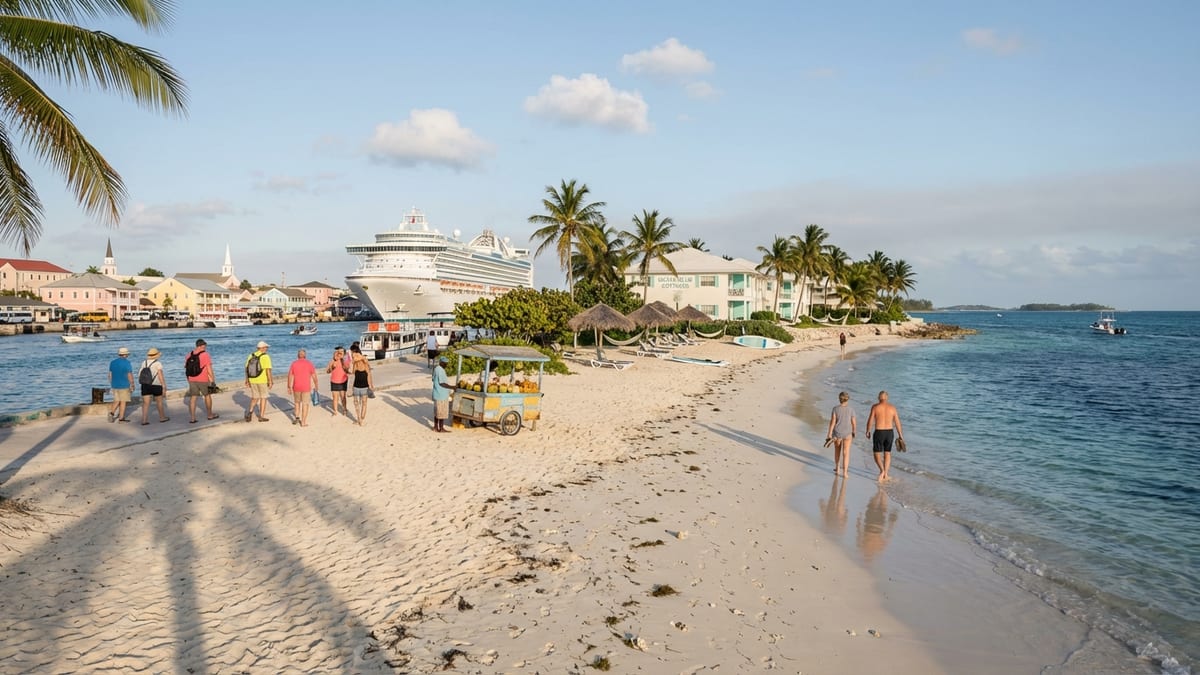
Storm Squall Turns Routine Port Call Into Emergency
The incident occurred on July 16 in Rockland, a midcoast Maine city that serves as a regular stop for small coastal cruise vessels. Published reports indicate that the small cruise ship American Independence was tied up at the city’s public landing when a fast-moving squall swept across the harbor, bringing strong winds and rougher seas.
As the wind hit, the vessel reportedly broke free from its moorings at the floats adjacent to Safe Harbor Marinas. The ship then drifted and struck part of the dock infrastructure, contributing to structural damage at the popular marina facility. Images shared by local outlets show splintered pilings and twisted sections of the dock in the aftermath.
American Independence, operated by American Cruise Lines, is a small coastal ship that typically carries fewer than 100 guests on itineraries along the Maine coast and New England. The vessel was in port as part of one of these regional cruises when the weather system moved in.
Weather data for the Rockland area on Thursday describe a brief but intense squall, a common summer feature in the Gulf of Maine that can create sudden, localized spikes in wind speed and steep chop inside otherwise sheltered harbors.
Guests Thrown Into the Water as Vessel Breaks Loose
When the mooring lines let go and the ship began to move unexpectedly, several people on or near the dock were tossed into the harbor. Initial local coverage states that four individuals ended up in the water during the incident, all believed to be cruise guests or people associated with the visit.
Accounts from the scene describe a chaotic few moments as the ship shifted and the dock bucked under the strain, sending guests off balance and into the sea. Nearby boaters and personnel on the waterfront moved quickly to help pull people from the water, with additional assistance from local emergency responders already positioned around the harbor during the stormy conditions.
Publicly available information on Friday morning indicates that the individuals who were thrown into the water were recovered and evaluated, with no deaths reported. Some passengers reportedly sustained minor injuries related to the fall and exposure, highlighting how quickly waterfront environments can become hazardous when heavy weather arrives without much warning.
The ship itself did not appear to suffer catastrophic damage, and there were no public reports of pollution or fuel release in the harbor connected with the impact. The episode nonetheless underscored the vulnerability of floating docks and coastal infrastructure when a heavy vessel begins to move unexpectedly.
Damage at Safe Harbor Marinas and Rockland Waterfront
The breakaway had an immediate impact on the dock system at Safe Harbor Marinas, which sits alongside Rockland’s public landing and serves local boaters, visiting yachts and seasonal workers. Photos published after the storm show sections of dock torn away, broken pilings and debris scattered along the waterfront, consistent with the force of a several-hundred-ton vessel pressing against the structure.
Marina operators and waterfront businesses in Rockland routinely prepare for summer storms, but reports indicate this squall arrived quickly, leaving a narrow window to add lines or move vessels before the strongest gusts. The combination of a floating cruise ship tied to smaller dock floats and a sudden spike in wind appears to have contributed to the failure of some components.
The extent of the damage is still being assessed, but the incident is likely to create at least short-term disruption for slip holders and transient boats that rely on the affected berths. Repairs may also intersect with peak tourism season in midcoast Maine, a time when Rockland typically sees a steady flow of cruising yachts, windjammer traffic and small cruise ships.
Local coverage notes that the rest of Rockland’s working waterfront, including fishing facilities and other piers, remained in operation following the storm, though some operators experienced brief interruptions while assessing their own moorings and equipment.
Renewed Attention on Cruise Safety in Maine Harbors
Maine’s coastal communities have seen a rising number of cruise ship visits in recent years, from large oceangoing vessels anchored off Bar Harbor to smaller ships sailing closer to shore along Penobscot Bay. The Rockland breakaway adds a fresh incident to ongoing discussions about how ports manage safety, environmental impact and infrastructure stress as cruise traffic grows.
Harbor safety plans in many New England communities already account for squalls and sudden wind shifts, but the Rockland episode is likely to draw attention to how small cruise ships are moored at public facilities. Specialists familiar with harbor operations often point to the importance of redundant lines, stronger attachment points and clear protocols for severe weather when larger vessels share space with recreational docks.
Publicly available information on the American Independence and similar vessels highlights that these ships are smaller than mainstream ocean liners but still carry significant mass. When tied to lighter-duty float systems, their movement can transfer heavy loads to docks not originally designed for that role, particularly during unusual wind events.
The Rockland incident also comes at a time when Maine communities are debating the broader role of cruise tourism, including issues such as congestion, local spending and environmental footprint. Safety incidents, even without major injuries, tend to sharpen public scrutiny of how cruise calls are scheduled, supervised and integrated with existing waterfront uses.
Impact on Passengers and the Summer Cruise Season
For passengers aboard American Independence, the storm turned a scenic stop in Rockland into an unplanned emergency. Travelers on small coastal itineraries often choose these ships for their access to quiet harbors and walkable towns, and an episode involving guests in the water is likely to reverberate in future trip planning and perceptions of risk.
Public information available on Friday did not indicate long-term interruptions to the ship’s itinerary beyond the immediate response and inspection period. Small coastal ships typically operate on tight seasonal schedules along the Maine coast, visiting ports such as Rockland, Camden, Belfast and other Penobscot Bay communities through late summer.
Travel industry observers note that while such weather-related breakaways are rare, they can influence how cruise lines communicate with guests about safety procedures during port calls, including guidance on staying clear of mooring lines, gangways and dock edges when conditions deteriorate.
As assessments continue in Rockland, the incident serves as a reminder to both travelers and operators that even routine days in port carry inherent maritime risks. For Maine’s cruise season, it is likely to become a reference point in ongoing efforts to balance coastal tourism with robust harbor safety practices in a region where fast-changing weather is part of daily life.