


More news on this day
Ryanair is warning summer travellers of significant delays and long queues at nine major European airports, as early experience with the European Union’s new Entry/Exit System (EES) strains passport control and pushes processing times higher at some of the continent’s busiest holiday gateways.
Get the latest news straight to your inbox!
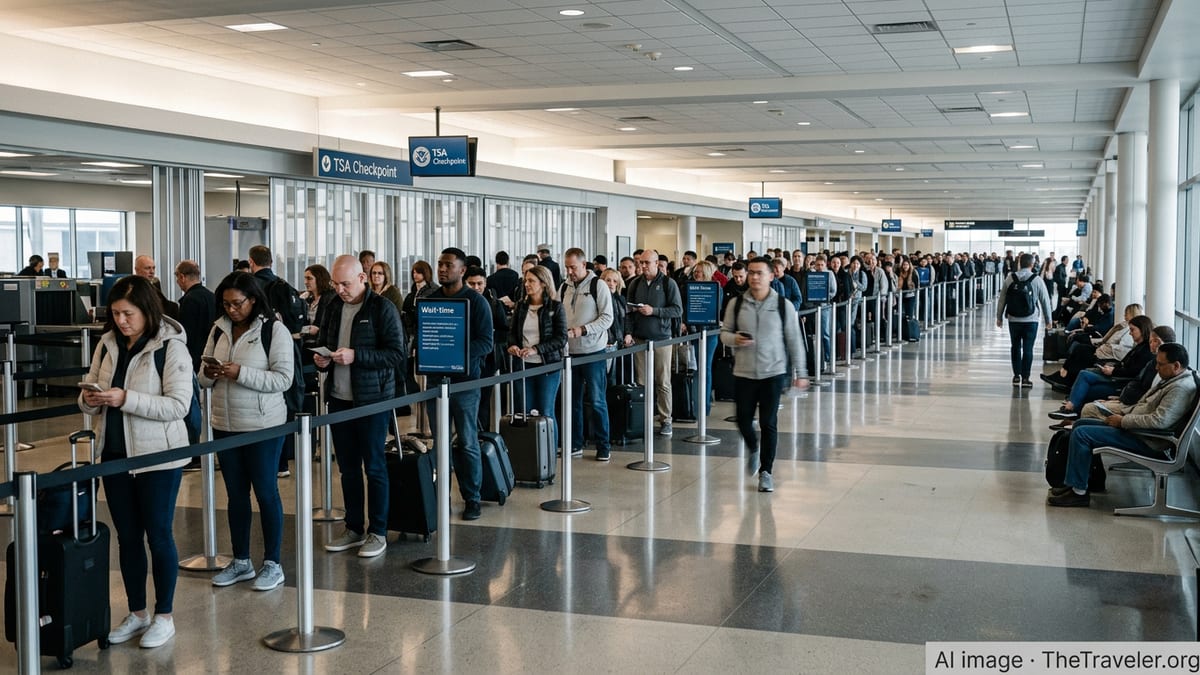
Nine airports highlighted as EES hotspots
According to recent advisories and industry coverage, Ryanair has identified a cluster of airports where the combination of peak summer traffic and the rollout of EES is already producing long lines and missed departures for non-EU passengers. The airline has been drawing particular attention to leisure-focused hubs that attract large numbers of UK and other third-country travellers.
Reports indicate that the list includes Tenerife South, Palma de Mallorca, Alicante Elche and Malaga Costa del Sol in Spain, Milan Bergamo in Italy, Krakow John Paul II in Poland and Paris Beauvais in France. Additional coverage suggests that other high-volume holiday airports in Portugal and Greece are facing similar pressures at border control during peak hours.
Publicly available information shows that congestion is most acute at passport control points where EES requires both fingerprints and facial images to be captured for first-time registrations. At airports with limited space and staffing, queues of more than an hour have been reported at busy weekend and evening banks of departures, with some passengers missing flights despite arriving well ahead of scheduled take-off.
While the airports concerned continue to operate normally, travel commentators describe the warning as an attempt to focus attention on specific bottlenecks where improvements in staffing, equipment and passenger flow are urgently needed before the busiest weeks of the holiday season.
New border checks collide with peak summer traffic
The EU’s EES, which has begun phased use at external Schengen borders, is designed to replace manual passport stamps with a shared digital record. For travellers from the United Kingdom and other non-EU countries, the new system records biometric data and entry and exit details the first time they cross the border, then verifies these records on subsequent trips.
In practice, consumer travel reports suggest that first-time enrolment is taking longer than many airports anticipated, particularly when whole families or package-tour groups arrive simultaneously. Processing times of around a minute or more per person have a compounding effect when several large flights land or depart close together, leading to lengthy queues at booths and e-gates.
Coverage in European media notes that these issues are arriving just as school holidays begin in the UK and northern Europe, traditionally the point at which leisure traffic spikes to its highest level. With charter and low cost carriers concentrating schedules around peak weekend waves, the strain on border infrastructure is being felt most intensely in resort gateways rather than capital-city hubs.
Ryanair’s public statements in recent months have repeatedly linked these structural challenges to the risk of widespread disruption if EES continues in full use through July and August. The airline argues that, without adjustments, many passengers will encounter unplanned queues and a higher risk of missing flights despite adhering to standard arrival guidance.
Calls for temporary suspension and added flexibility
In response to the mounting delays, Ryanair has urged European governments to make greater use of flexibilities built into the EES framework. Publicly available correspondence shows the carrier asking national authorities to suspend or scale back use of the system during the core summer period, echoing earlier appeals in markets such as Spain and Portugal where local tourism bodies have raised similar concerns.
Ryanair’s position is that full operation of EES should be deferred until after the peak season, giving airports more time to expand facilities, increase staffing and fine-tune procedures. Industry associations representing airports and airlines have also argued for a slower ramp-up, warning that an abrupt transition risks undermining customer confidence at a moment when European leisure demand is otherwise strong.
The European Commission has maintained that average processing times remain manageable at many locations and that member states can already pause or reduce EES checks if queues become unmanageable. Nonetheless, recent reports highlight that not all airports are using these flexibilities to the same extent, creating sharp contrasts between gateways that have invested heavily in preparation and those where resources are tighter.
As pressure builds, several national governments are reported to be reviewing contingency plans, including temporary redeployment of border officers to the worst-affected airports and closer coordination with airlines on flight scheduling. Any such measures are expected to focus on the July to September window, when passenger numbers traditionally peak.
What passengers can expect at affected airports
For travellers passing through the nine highlighted airports, the most visible impact is likely to be at passport control on both arrival and departure. Reports from early summer indicate that non-EU passengers should be prepared for extended waits, particularly at times when multiple flights to and from the United Kingdom are scheduled within short intervals.
Travel industry guidance increasingly recommends that passengers build in additional time specifically for border checks, over and above the standard advice of arriving at the airport two to three hours before departure. Families and groups that include non-EU nationals, or that know they have not yet been registered in EES, may face the longest processing times on their first trip since the system’s introduction.
Check-in, bag drop and security screening are also experiencing secondary knock-on effects when long queues at border control lead to late-arriving passengers or last-minute rushes at the gate. While these processes are generally operating within normal parameters, airport observers caution that minor incidents or staffing gaps can quickly cascade into wider disruption when terminals are already under strain.
Consumer advocates are encouraging travellers to monitor airport advisories on the day of travel, use online check-in where possible and move promptly through each stage of the departure process to minimise the risk of being caught in unexpected queues.
Wider scrutiny of Europe’s airport preparedness
The latest warnings have intensified scrutiny of how well Europe’s border infrastructure has been prepared for the twin pressures of regulatory change and robust post-pandemic travel demand. Analysts note that many of the affected airports depend heavily on British and other non-EU visitors, meaning that any friction at external borders has a disproportionate impact on their operations.
Some aviation commentators see the current queues as a symptom of broader structural issues, including underinvestment in border staffing, legacy terminal layouts and the challenge of fitting new biometric equipment into already crowded spaces. They argue that EES, while designed to modernise border management in the long term, is exposing these weaknesses in the short term.
At the same time, airport operators and national authorities are under pressure to demonstrate that lessons have been learned from previous episodes of summer congestion. With airlines publicly flagging specific pain points, there is growing expectation that targeted interventions, such as temporary staffing surges and reconfigured queuing areas, will be introduced quickly at the nine highlighted airports and any others that show similar strain.
For now, industry observers expect that a combination of operational tweaks, selective use of EES flexibilities and heightened passenger awareness will determine how disruptive the remainder of the summer becomes for travellers heading to Europe’s busiest holiday gateways.