


More news on this day
Dozens of cancellations and more than two hundred delays at St. Louis Lambert International Airport are disrupting travel across the central United States, as operations involving Southwest, SkyWest, Republic, Delta, Frontier and other carriers leave passengers stranded from Chicago to Tampa, Orlando, Charleston and additional destinations.
Get the latest news straight to your inbox!
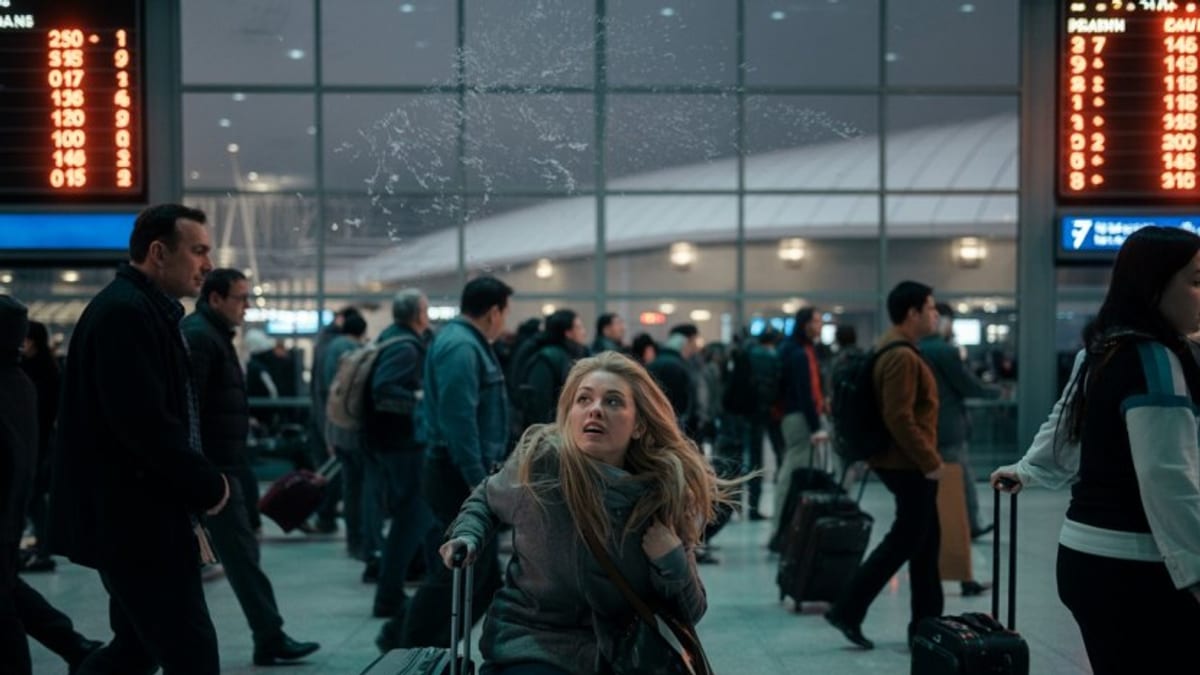
Grounded Flights and Mounting Delays at St. Louis Lambert
Publicly available flight tracking data for Tuesday, May 19, indicates at least 30 departures and arrivals involving major carriers at St. Louis Lambert have been grounded, alongside roughly 250 delayed operations. The disruption is concentrated among airlines with large regional and leisure footprints, including Southwest, SkyWest, Republic, Delta and Frontier, creating bottlenecks at both St. Louis and the airports that rely on it for connecting traffic.
Southwest, the dominant carrier at Lambert’s Terminal 2, appears particularly affected, with cancellations on routes linking St. Louis to leisure markets such as Tampa and Orlando as well as to key Midwestern connections. Historical data for services like Southwest flight WN4047 between St. Louis and Tampa show recent cancellations and repeated long delays, underscoring how individual flights can become weak points in the network when wider operational stress builds.
Regional affiliates SkyWest and Republic, which operate flights under major-brand flags, are also seeing elevated disruption. These airlines feed larger hub operations for national carriers, so even a modest number of cancellations at St. Louis can propagate across multiple city pairs as aircraft and crews fall out of position.
Frontier, a key low cost operator on routes between St. Louis and Florida, appears to be contending with the same constraints, with late running departures and rolling schedule changes reported on recent days. Combined, these strains are producing an atypically high volume of schedule adjustments for an early week travel period heading into the summer season.
Ripple Effects in Chicago, Tampa, Orlando and Charleston
The disruption is not confined to Missouri. Chicago, Tampa, Orlando and Charleston are among the destinations most directly affected as flights into and out of St. Louis encounter cascading delays. Online status boards for Chicago area airports are displaying elevated levels of late arrivals and departures tied to aircraft originating in St. Louis, a pattern that often forces rebookings and missed connections.
In Florida, Tampa and Orlando are seeing knock on impacts as well. Flight history data for several St. Louis to Florida services on Southwest and Frontier show repeated schedule changes over recent weeks, with cancellations and extended delays becoming more frequent. When an outbound aircraft from St. Louis fails to depart on time, the return leg to Missouri and subsequent rotations can suffer multi hour disruptions.
Charleston and other secondary leisure and regional markets, many of which are served by a mix of low cost carriers and regional affiliates, are particularly vulnerable because they often depend on a small number of daily flights. A single cancellation on a St. Louis rotation can remove most or all same day options, leaving travelers with limited alternatives beyond long, multi stop re routings.
Reports from passenger forums and social media channels describe crowded gate areas, long lines at customer service desks and extended waits for updated departure times at several of these airports. While such accounts are anecdotal, they are consistent with the elevated delay and cancellation statistics currently visible in public tracking tools.
Operational Strain, Weather and Network Complexity
While no single cause fully explains the disruption pattern at St. Louis Lambert, recent national data offers context. Industry wide, airlines have been contending with a combination of tight staffing, high aircraft utilization and episodic severe weather. Analyses of cancellations in recent months show that regional carriers such as SkyWest and Republic and low cost operators like Frontier can see sharp spikes in disruption when storms or ground stops affect key hubs.
National aviation statistics published by the U.S. Department of Transportation describe how air carrier issues, late inbound aircraft and national airspace system constraints often interact. When one flight is delayed or canceled for maintenance, crew availability or congestion, it can quickly affect subsequent departures that rely on the same aircraft or crew rotation, multiplying the impact across several cities.
In the Midwest, Chicago O Hare and Midway function as critical junction points. Recent coverage of significant delay events at Chicago has highlighted how ground stops and heavy congestion there can send shockwaves through secondary airports such as St. Louis. When aircraft are held or rerouted around Chicago airspace, schedules at Lambert and its destination airports can rapidly unravel.
Frontier and other leisure focused carriers have also been adjusting schedules in response to fluctuating demand patterns and cost pressures. Public commentary from industry analysts in recent months has noted that these carriers may consolidate or cancel lower demand flights rather than operate them at a loss, further tightening capacity just as summer travel demand begins to rise.
Passenger Impact and Limited Options
For travelers scheduled through St. Louis Lambert, the immediate effect is confusion and longer journeys. Passengers connecting from regional cities through St. Louis to major leisure markets such as Orlando and Tampa are among those facing the greatest disruption, as a missed connection at Lambert can mean an overnight stay or a substantial detour through another hub.
At Chicago, Tampa, Orlando and Charleston, passengers on incoming flights from St. Louis are encountering delayed arrivals that can cascade into missed connections on separate tickets or onward ground transport. In some cases, published accounts describe travelers forced to accept rebookings a full day later or to purchase last minute tickets on other airlines when protected options are limited.
Under U.S. regulations, airlines must provide refunds when a flight is canceled and the passenger chooses not to travel, but they are generally not required to offer hotel or meal vouchers for weather related disruptions. Consumer advocates regularly encourage travelers to review each carrier’s customer service commitments and to document delays and cancellations carefully, especially when disruptions appear related to factors within the airline’s control.
Travel insurance and premium credit card protections can sometimes help offset unexpected hotel stays or rebooked tickets. However, these benefits vary significantly by policy, and travelers are often required to provide written confirmation of delays, cancellations or missed connections to qualify for reimbursement.
What Travelers Through St. Louis Should Do Now
With operations at St. Louis Lambert under pressure and delays rippling through connected airports, travelers scheduled to fly on affected carriers are being advised by publicly available guidance to monitor flight status closely on both airline apps and airport departure boards. Same day changes, gate swaps and rolling delays have become common during similar disruption events, and early awareness can expand rebooking options.
Industry observers often recommend avoiding tight connections through Lambert and other busy hubs during periods of elevated disruption, particularly on itineraries involving separate tickets or regional and low cost carriers. Allowing additional buffer time between flights, especially for trips to Florida and the East Coast, can reduce the risk of missed onward journeys.
For those already stranded, customer advocacy resources suggest checking for mutual rebooking agreements between carriers and asking about alternative routings through other hubs such as Dallas, Atlanta or Denver. Even when seats are scarce, a connecting itinerary through a different hub can sometimes offer earlier arrival than waiting for the next nonstop from St. Louis.
As airlines adjust schedules and reposition aircraft in the coming hours, further changes to departure and arrival times at St. Louis and its key partner airports remain possible. Travelers planning to pass through the region over the next several days are likely to face a fluid situation in which flexibility, rapid monitoring of flight information and familiarity with passenger rights are increasingly important.